Challenging Television Tropes: Disability Beyond Tragedy
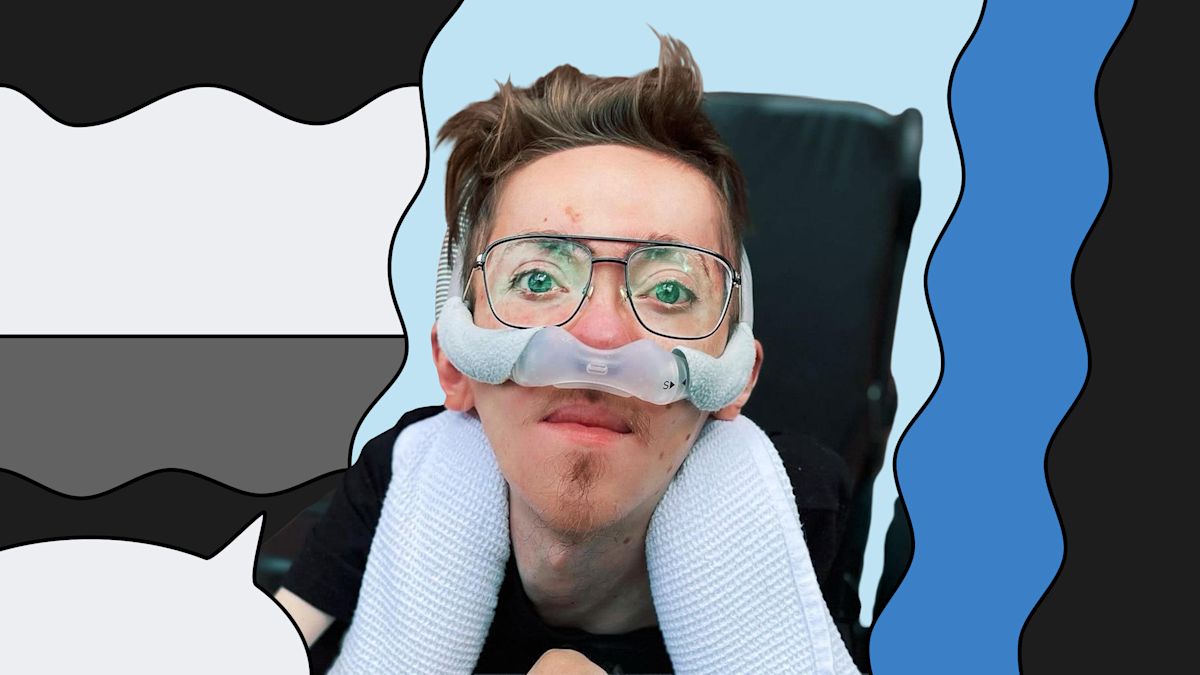
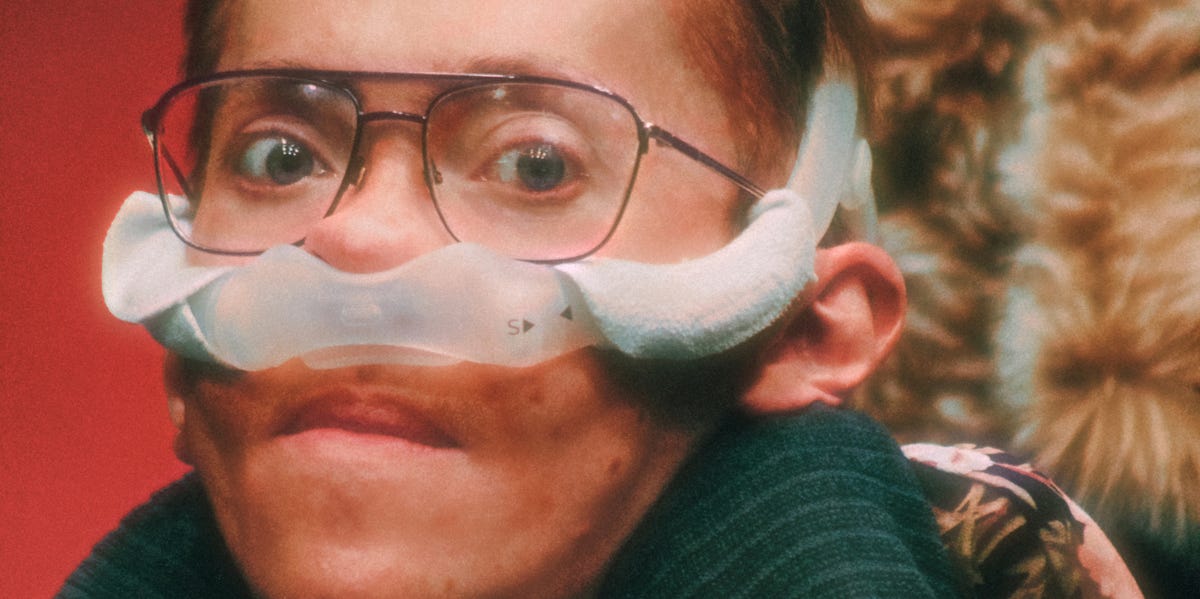
Premium television dramas have historically confined depictions of physical disability to tragic plot devices or secondary emotional catalysts. Hulu’s dramatic thriller series ‘Furious,’ executive produced by Emmy Rossum, fundamentally disrupts this convention through actor and comedian Steve Way’s performance. Casting an actor with Ullrich congenital muscular dystrophy in a multidimensional romantic lead role, the production challenges entrenched industry frameworks that limit narrative agency for disabled individuals.
Way portrays Alden Drummin, a homebound character who becomes the romantic partner and fiancé to the central protagonist, Catherine Grace (Lola Petticrew). Instead of framing Alden’s condition as an all-encompassing tragedy, the series integrates him as a fully realized emotional anchor within a high-stakes psychological thriller. This deliberate choice represents a significant progression in performance opportunities for individuals with severe physical disabilities within the global entertainment sector.
Artistic Evolution: From Satirical Comedy to Dramatic Depth
Prior to ‘Furious,’ Way built his public profile through sharp stand-up comedy and a recurring role in Hulu’s comedy series ‘Ramy.’ Collaborating with show creator Ramy Youssef, Way embodied an unhinged persona, a caricature of himself that eschewed audience sentimentality. This comedic posture established a zero-tolerance approach to patronizing reactions, a theme Way consistently reinforces in his live performances.
His transition to the dramatic landscape of ‘Furious’ marks a substantial expansion of his artistic range and industry positioning. As Alden, Way sheds the chaotic alter-ego from ‘Ramy’ for a grounded, nuanced portrayal marked by dark humor and emotional vulnerability. This shift underscores the viability of casting disabled performers across diverse genres, moving beyond niche comedic roles.
Subverting Genre: Relational Dynamics in a Thriller Narrative
The narrative momentum of ‘Furious’ centers on Catherine Grace, a former sex worker employing multiple identities to avenge her best friend’s death. In episode six, ‘They Make a Noise Like Feathers,’ the series crystallizes the contrast between Catherine’s lethal mission and her domestic reality with Alden. While she presents herself to him as ‘Vanessa,’ an in-home care nurse, their interactions foster a space of mutual trust and psychological respite.
Within this dynamic, Alden is not a passive recipient of care or an incidental bystander. His directness and playful flirtation disrupt Catherine’s hardened exterior, offering moments of emotional release. By embedding a complex romantic relationship into a serial killer narrative, the series integrates disability into mainstream genre mechanics without reducing the character to his medical condition.
The Intersection of Disability, Healthcare, and Career Sustainability
Beyond on-screen representation, Way’s career trajectory highlights the critical economic and structural policies required to sustain disabled artists. Living with muscular dystrophy necessitates continuous institutional support, including a motorized wheelchair, a ventilator, and daily personal care assistance. As a prominent disability-rights advocate, Way explicitly credits Medicaid for funding the essential services that enable his daily autonomy and professional acting career.
This systemic intersection demonstrates that on-screen inclusion is intrinsically linked to robust public healthcare infrastructure and equitable labor access. The capacity of disabled performers to achieve long-term creative leverage hinges on legislative and institutional programs guaranteeing accessible medical technology and daily assistance. Way’s journey exemplifies how public entitlement programs serve as a crucial operational baseline for cultural participation and workplace diversification.
Setting New Benchmarks for Media Representation
The industry’s reception of Way’s role in ‘Furious’ establishes a new benchmark for television casting directors, screenwriters, and production executives. By proving that audiences engage with complex, romantic portrayals of disabled individuals, the series challenges historical commercial risk assessments that have marginalized disabled talent. In a competitive streaming landscape, narrative models that authentically integrate representation with compelling genre storytelling offer a strategic avenue for audience engagement.
Way’s refusal to conform to patronizing narrative tropes signals a generational recalibration in disability advocacy within the creative industries. Moving forward, the structural integration of disabled artists will depend on maintaining strong public healthcare safety nets and fostering inclusive writing rooms that portray disabled characters as multifaceted human beings. The artistic and operational precedent set by ‘Furious’ confirms that physical difference and romantic desirability can coexist at the forefront of prestige television.