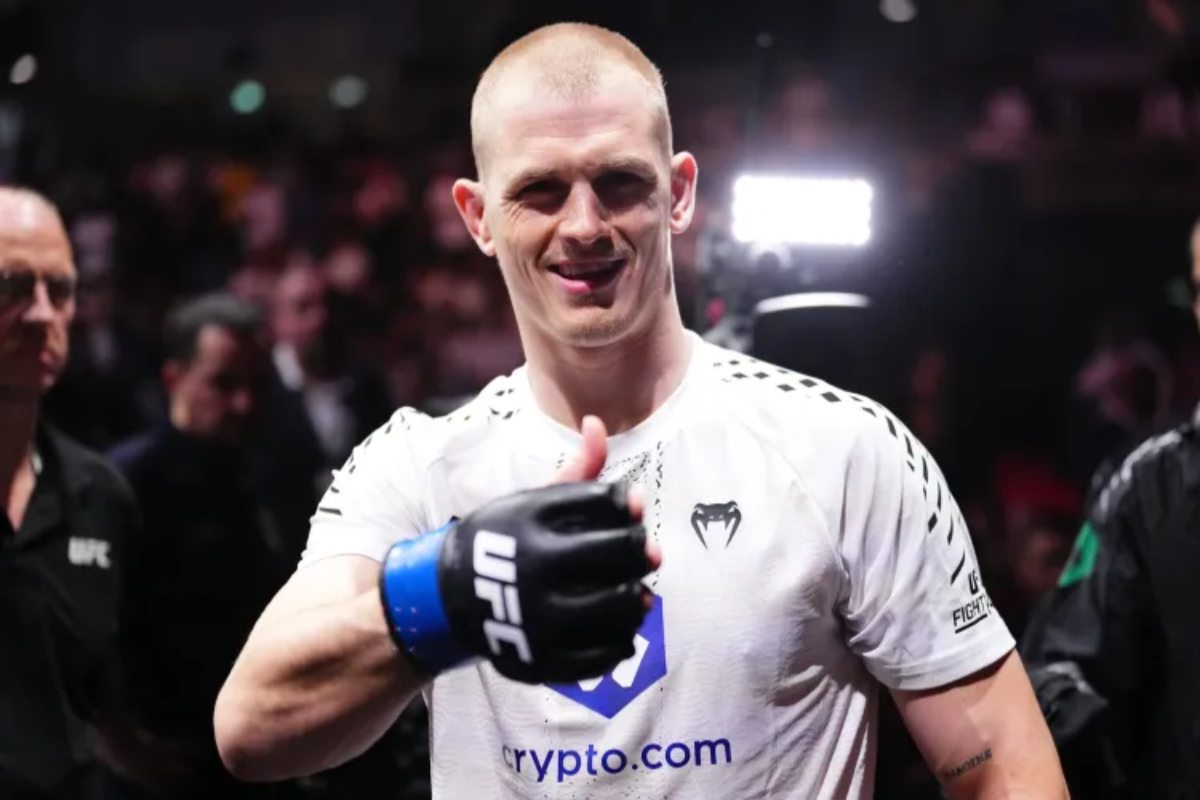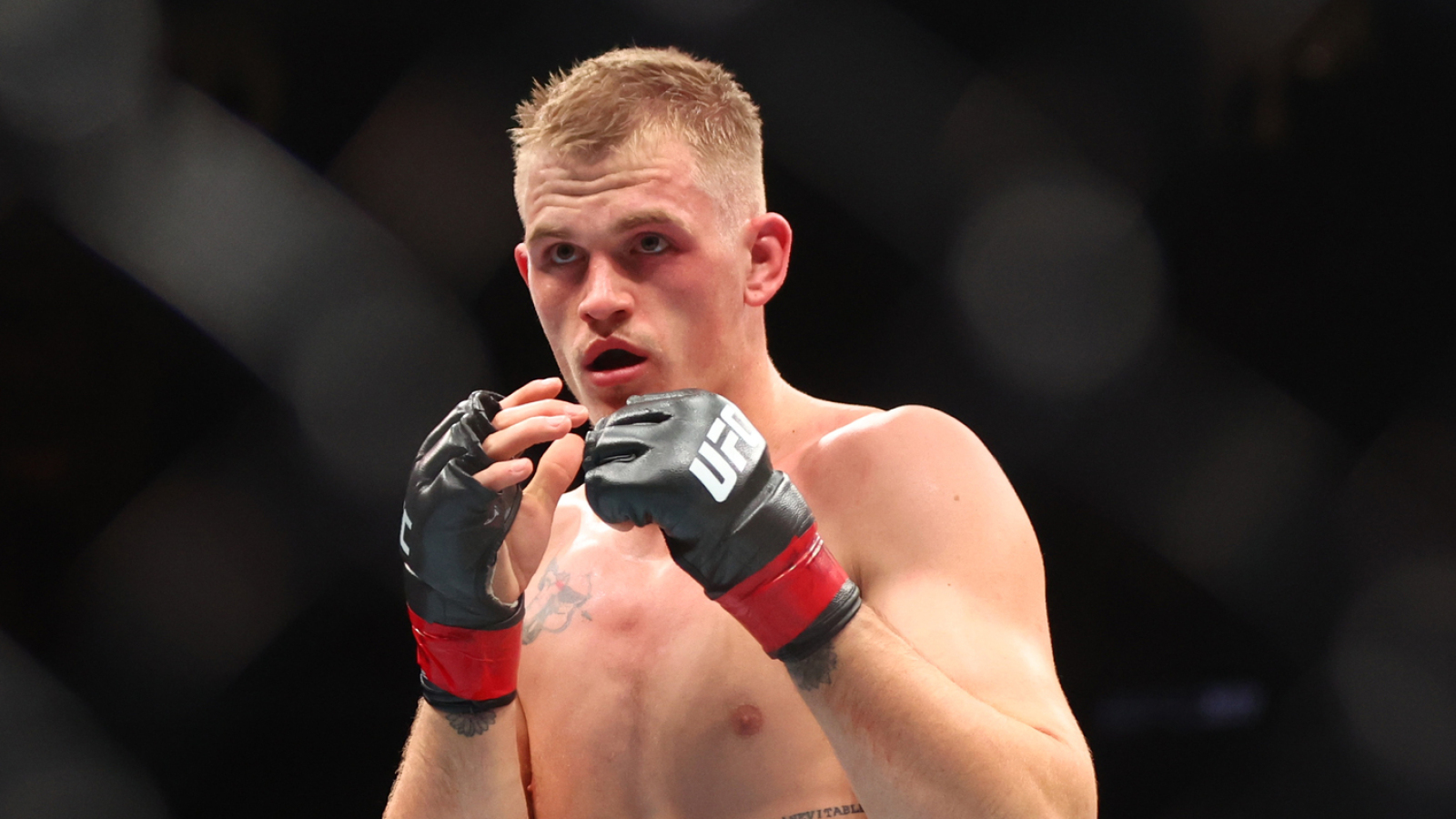
Strategic Consolidation of the Welterweight Title Landscape
The impending UFC 330 championship clash between Ian Machado Garry and Islam Makhachev has transcended the immediate stakes of the title, catalyzing a calculated realignment of the 170-pound hierarchy. Garry’s public endorsement of Carlos Prates as the definitive number-one contender serves a dual purpose: it frames the divisional narrative through the lens of recent performance while systematically marginalizing high-ranking, less-active competitors. By prioritizing Prates’ elite finishing streak over traditional rankings, Garry is attempting to bypass the inertia of stagnant matchmaking in favor of high-revenue, performance-driven narratives.
Prates has emerged as a high-leverage asset for the UFC, securing his position through a series of tactical stoppages against elite veterans, including Geoff Neal, Leon Edwards, and Jack Della Maddalena. These victories provide the necessary promotional equity for Garry to justify a rematch. Within this ecosystem, the ‘Fighting Nerds’ product represents a specific threat that Garry seeks to monetize, framing a potential defense as a collision between the division’s most sophisticated controller and its most clinical finisher.
Tactical Leverage and the Psychological Legacy of April 2025
A pivotal element of the Garry-Prates dynamic is their April 2025 encounter, which Garry secured via unanimous decision on only three weeks’ notice. Current rhetoric from the Garry camp focuses on his dominance during that 24-minute window to devalue Prates’ subsequent three-fight knockout streak. By emphasizing the lack of a full training camp during their first meeting, Garry establishes a psychological baseline that suggests his ceiling remains significantly higher than the Brazilian’s, regardless of Prates’ recent offensive evolution.
Operationally, Garry’s demand for a comprehensive preparation window for the rematch highlights the specialized risk management required to combat Prates’ striking. This timeline is a strategic imperative to neutralize the specific technical improvements Prates has demonstrated in his recent campaign. The contrast between Garry’s control-centric victory and Prates’ trail of definitive finishes creates a commercial friction that the UFC is uniquely positioned to exploit for a major pay-per-view headliner.
Institutional Evolution: Fighting Nerds and Global Training Integration
The ascent of Carlos Prates is a testament to the rising institutional power of the Fighting Nerds camp. Despite Mauricio Ruffy’s recent tactical setback against Benoit St. Denis, the camp maintains a trajectory of high-level disruption. Prates’ allusion to undisclosed ‘fight-week circumstances’ surrounding Ruffy’s loss points to internal institutional adjustments aimed at rectifying performance variables. The camp’s strategy is now evolving toward a more globalized training model to address specific grappling deficits.
Ruffy’s relocation to Australia to integrate with Alexander Volkanovski’s team represents a significant capital investment in defensive wrestling. This move is a direct response to the tactical demands of his UFC 331 bout against Arman Tsarukyan. By merging the Fighting Nerds’ proprietary striking systems with Australian wrestling methodologies, the camp is attempting to create a multi-disciplinary archetype capable of disrupting the elite tiers of both the lightweight and welterweight divisions.
Market Volatility and the Devaluation of Stagnant Contenders
Garry’s assertion that other contenders have ‘failed to do enough’ reflects a broader market shift within the UFC where activity and finishing rates are prioritized over divisional tenure. By dismissively narrowing the title window to Prates, Garry forces the organization’s hand, making a Prates rematch the only logically marketable path. This strategy places immense pressure on the top five to accept high-risk assignments or risk permanent marginalization in the title conversation.
The financial logic is sound: a Garry-Prates rematch possesses a built-in narrative that appeals to analytical and casual demographics alike. Prates’ ability to stop previously ‘unfinishable’ opponents has increased his market value exponentially, making him the most viable partner for a champion looking to maximize pay-per-view dividends. As the UFC moves into its late-year schedule, the outcomes of the Ruffy-Tsarukyan nexus and the Garry-Makhachev title fight will determine the financial and competitive trajectory of two of the sport’s most talent-dense divisions.