
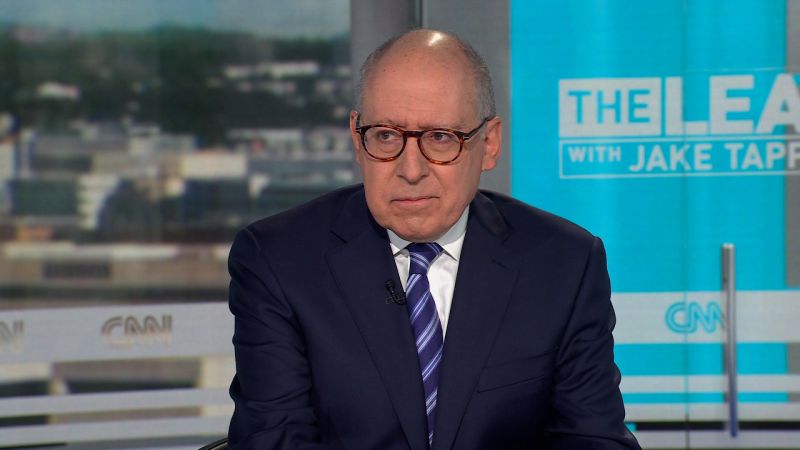
Expert Cardiologist Reignites Debate on Trump’s Health Transparency
A prominent cardiologist, notably one with a prior professional association with former Vice President Dick Cheney, has publicly raised significant concerns regarding the health of Donald Trump. These public statements acutely highlight the perennial tension between a political figure’s right to privacy and the societal demand for transparency concerning leadership fitness. The cardiologist’s commentary, specifically citing “perceived secrecy” around Trump’s health and an observation that he “has not looked well,” instantly elevates the discussion beyond casual speculation, injecting a critical, medically-informed perspective into the political discourse.
The Authority of Expert Medical Commentary: Shaping Public Perception of Leadership Fitness
The intervention of a cardiologist, especially one with a prior professional association with a former Vice President like Dick Cheney, profoundly amplifies the impact of their observations on public discourse. This specialized background lends significant institutional credibility, implying a deep understanding of the unique health management protocols and pressures inherent to high-stakes political office. Such expert insights, even without direct patient examination, resonate with heightened authority, compelling a re-evaluation of available information regarding a leader’s physical and mental capacity to govern.
This professional gravitas directly shapes public perception of leadership fitness, influencing narratives surrounding a political figure’s ability to withstand the rigors of office. While raising complex ethical considerations regarding physician-patient boundaries, the cardiologist’s decision to speak publicly underscores a perceived societal imperative for transparency, balancing individual privacy against the public’s right to informed scrutiny of its leaders. Their commentary, therefore, transcends mere opinion, injecting a medically-informed analysis that demands serious consideration within the political landscape.
The Strategic Imperatives and Costs of Health Transparency in Political Leadership
The explicit questioning of “secrecy around Trump’s health” by a medical expert directly undermines the strategic utility of controlling or withholding a political figure’s medical information. While leaders often employ health disclosures as a tool to project an image of strength and stability, credible external concerns swiftly erode this control, leading to heightened scrutiny and potential public trust deficits. An information vacuum, created by a lack of comprehensive health reporting, inevitably fuels speculation and rumor, directly impacting public confidence and political stability.
Operationally, persistent health queries divert critical attention and resources from policy agendas, forcing administrations into defensive communication postures and inefficient allocation of strategic capital. Economically, perceived instability due to health concerns can introduce volatility into financial markets, affecting investor confidence and broader economic outlooks. Furthermore, the strategic choice to obfuscate health information risks generating a narrative of concealment that overshadows policy achievements, highlighting the delicate equilibrium between a leader’s privacy and the public’s demand for accountability. This dynamic contributes to an evolving standard where health transparency is increasingly considered foundational to democratic governance and sets precedents for future administrative practices.
The Impact of “Not Looking Well”: Subjective Observation Meets Public Scrutiny
The cardiologist’s observation that the political figure “has not looked well,” while not a clinical diagnosis, carries profound weight due to its source. This subjective assessment, originating from a trained medical professional, transcends casual public commentary, sparking a more serious discourse about a leader’s vigor, stamina, and overall capacity for the demanding duties of high office. It acutely highlights the tension between a nuanced, non-diagnostic medical observation and its powerful amplification within the media ecosystem, which often translates such cues into definitive public concerns about leadership fitness, irrespective of official reports.
For political campaigns and administrations, managing these perceptions becomes a critical operational imperative. They must craft sophisticated communication strategies to contextualize or counter such public observations without inadvertently validating speculation. The downstream effects can be far-reaching, eroding confidence among political allies, international partners, and the electorate, as a leader’s perceived health is intrinsically linked to their perceived ability to govern effectively and maintain stability.
Evolving Standards: Media Scrutiny and Long-Term Implications for Political Governance
The cardiologist’s public statements on Trump’s health swiftly propelled a private medical matter into a high-stakes public interest story, triggering intensified media scrutiny. News organizations, acting as critical intermediaries, amplify expert opinions, translating them into widespread public awareness and exerting significant pressure on political figures or administrations to respond. The institutional reaction, whether through denial, reassurance, or selective disclosure, reflects a careful calculus of political risk. However, an opaque or evasive response invariably fuels further speculation and erodes credibility, showcasing the persistent tension between a government’s narrative control and the media’s essential role in holding power accountable on matters of public health and governance.
This incident carries profound long-term strategic implications for political leadership, reinforcing that a leader’s health is not merely a personal issue but a public concern with systemic ramifications for national stability and international relations. It accelerates an evolving standard of transparency for high-office holders, where both the public and media increasingly demand comprehensive, verifiable health information. This necessitates proactive communication strategies from political entities, considering both the timing and substance of disclosures to pre-empt or mitigate adverse public reactions. The enduring power of expert opinion, particularly from a credible and independent voice, to cut through political noise and reshape public discourse, will continue to influence institutional policies and media expectations, solidifying health as a legitimate and necessary subject of public inquiry and scrutiny for those in power.

Photo by u_dg9pheol on Pixabay.