Beloved Bald Eagle Jackie Succumbs to Prolonged Illness After Intensive Care
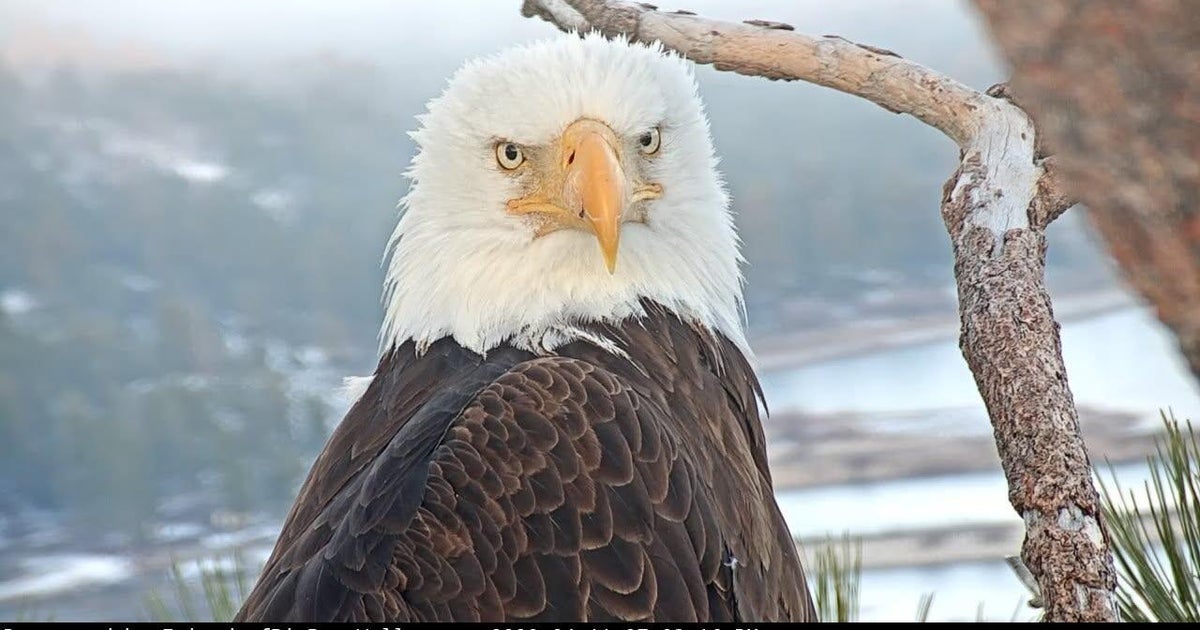
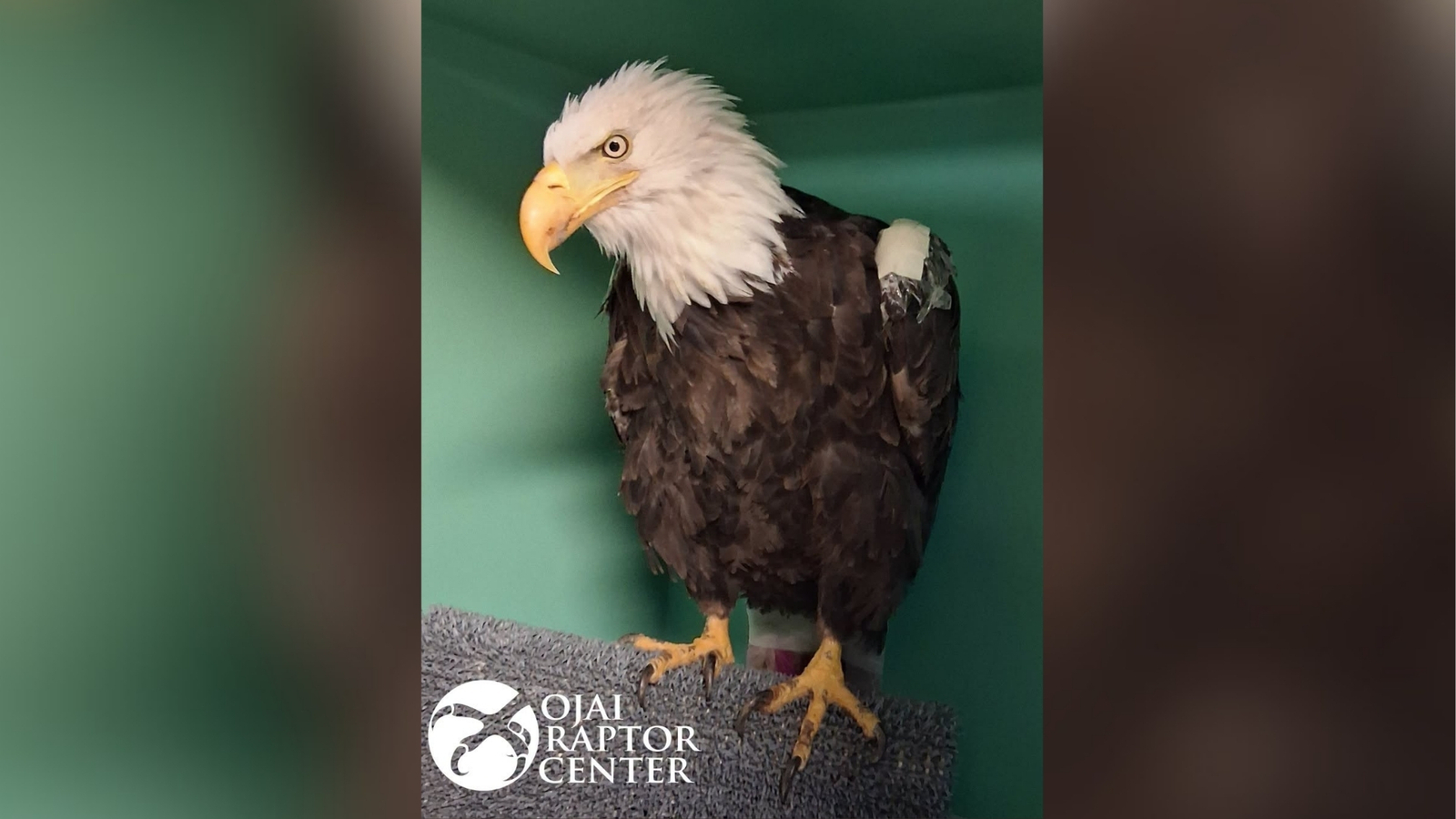
Big Bear’s iconic bald eagle, Jackie, has died following a period of intensive medical care for a prolonged illness. The Ojai Raptor Center confirmed her passing on Monday morning, stating her condition deteriorated over several days despite extensive efforts.
Jackie received round-the-clock monitoring and supportive treatment, including oxygen therapy, in the center’s intensive care unit. The Ojai Raptor Center emphasized that all care decisions were guided by medical evidence, her welfare, and their responsibility to act in her best interest.
Her remains have been transferred to the California Department of Fish and Wildlife. The Ojai Raptor Center expressed their heartbreak, acknowledging the profound impact Jackie’s journey had on thousands globally who followed and supported her care.
Health Deterioration Amidst Intensive Treatment
The veterinary team detailed Jackie’s challenging case, noting significant setbacks due to anemia and an unidentified illness that severely lowered her packed cell volume. Despite a blood transfusion, her health trajectory continued to decline.
Jackie’s condition progressively worsened in her final days, a trend that persisted despite intensive treatment and the collaboration of veterinary staff and consulting specialists. Her critical state necessitated continuous, high-level medical intervention.
Jackie was discovered grounded near Big Bear Lake approximately three weeks prior to her death and was subsequently rescued. Her care at the Ojai Raptor Center, lasting those final three weeks, aimed to address her complex health issues.
Ecosystem Significance and Public Engagement
Jackie, known for raising eaglets in Big Bear with her partner Shadow, was a significant focal point for public engagement with local wildlife. Her illness and passing underscore the vulnerabilities faced by wild populations, even with dedicated human intervention.
The widespread global following of Jackie’s journey highlights the powerful connection many feel towards wildlife conservation. This interest fosters potential support for wildlife rehabilitation centers and broader conservation initiatives, influencing resource allocation and public awareness.
The Ojai Raptor Center’s transparent communication throughout Jackie’s treatment fostered a deep sense of shared concern and hope among her followers. This public involvement is a critical asset for conservation organizations, providing a foundation for advocacy and fundraising.
Operational and Strategic Implications for Wildlife Rehabilitation
The intensive, multi-week care provided to Jackie exemplifies the significant operational demands on specialized wildlife rehabilitation facilities. Such cases require substantial investment in veterinary expertise, specialized equipment, and dedicated staff time, often straining limited resources.
The Ojai Raptor Center’s commitment to comprehensive care, even with a deteriorating prognosis, reflects a strategic imperative to uphold the highest standards of animal welfare. This dedication, though emotionally taxing, reinforces their institutional credibility and public trust.
The financial implications of prolonged, intensive care for a single animal can be considerable for non-profit rehabilitation centers, necessitating robust fundraising and partnerships to ensure operational sustainability and capacity for future emergencies.
Downstream Effects on Conservation Narratives
Jackie’s story, culminating in her death despite extensive medical intervention, will likely shape public perception regarding the challenges of wildlife conservation and rehabilitation, highlighting the delicate balance between intervention and nature’s course.
The narrative surrounding Jackie’s final weeks serves as a poignant reminder of ongoing threats to bald eagle populations, including habitat loss, environmental toxins, and disease, potentially galvanizing further support for research and protective measures.
The Ojai Raptor Center’s role in documenting and sharing Jackie’s journey positions them as key communicators in wildlife welfare, informing best practices and ethical considerations in animal rehabilitation and conservation science.
Institutional Response and Future Preparedness
The transfer of Jackie’s remains to the California Department of Fish and Wildlife signifies established protocols for handling significant wildlife cases. This inter-agency cooperation is crucial for data collection, disease surveillance, and broader ecological management.
The Ojai Raptor Center’s commitment to transparency and ethical decision-making throughout Jackie’s treatment is vital for maintaining public trust and securing continued funding and community support, essential for wildlife rehabilitation organizations.
The collective experience gained from caring for Jackie will inform the Ojai Raptor Center’s future preparedness, including refining diagnostic capabilities, enhancing treatment protocols, and advocating for increased resources for wildlife health research and conservation.
Stakeholder Impact and Public Sentiment
The thousands of individuals worldwide who followed Jackie’s journey represent a significant stakeholder group whose emotional investment is now met with grief. This widespread public sentiment can translate into increased engagement with conservation causes and deeper appreciation for wildlife professionals’ work.
For the Ojai Raptor Center staff and volunteers, Jackie’s passing is a profound professional and personal loss. Their dedication to her care, despite the outcome, underscores their mission commitment and the ethical responsibilities of wildlife rehabilitation.
Jackie’s partner, Shadow, will remain a focus of attention; his well-being and future in the Big Bear ecosystem will be closely observed. The continuity of the bald eagle breeding program in Big Bear is a key aspect of the region’s ecological health and public interest.
Broader Implications for Wildlife Health Monitoring
The mystery illness afflicting Jackie, causing a significant drop in her packed cell volume, underscores the ongoing need for advanced diagnostic capabilities in wildlife health. Identifying novel diseases is critical for understanding ecological health and potential zoonotic risks.
The collaborative effort involving the Ojai Raptor Center’s veterinary team and consulting specialists highlights the complexity of diagnosing and treating rare ailments in wild animals, with this interdisciplinary approach essential for advancing wildlife veterinary medicine.
Data gathered from Jackie’s case will contribute to the broader scientific understanding of bald eagle health, informing conservation strategies and public health initiatives related to avian populations.
The Role of Public Awareness in Conservation Funding
The extensive public following of Jackie’s story demonstrates the power of individual animal narratives in driving awareness and support for conservation, serving as a potent catalyst for fundraising and volunteer recruitment.
The Ojai Raptor Center’s experience with Jackie’s case provides a compelling example of the resources and expertise required for effective wildlife rehabilitation, informing advocacy for greater governmental and private funding for these critical services.
The global reach of Jackie’s story amplifies the conservation message beyond local communities, fostering a sense of shared responsibility for protecting wildlife and their habitats worldwide.
Ethical Considerations in Wildlife Intervention
The Ojai Raptor Center’s commitment to decisions based on medical evidence and Jackie’s welfare highlights the ethical framework guiding wildlife rehabilitation, balancing the desire to save an animal with broader ecological considerations and the potential for suffering.
The prolonged and intensive nature of Jackie’s treatment raises questions about resource allocation in wildlife rehabilitation, requiring careful consideration of the individual animal’s prognosis, potential for release, and impact on the center’s capacity.
The transparency with which the Ojai Raptor Center communicated Jackie’s condition and treatment decisions is crucial for public understanding of these complex ethical dilemmas, building trust and educating the public about conservation realities.
Long-Term Impact on Big Bear’s Bald Eagle Population
The loss of Jackie, a key member of the Big Bear bald eagle breeding pair, introduces a significant variable into the future of the local population, as pair bonding and breeding success dynamics are complex and can be disrupted by mate loss.
The survival and adaptation of Shadow, Jackie’s partner, will be critical for the continued presence and breeding success of bald eagles in Big Bear. Wildlife officials will likely monitor his behavior and potential for forming a new pair bond closely.
Jackie’s legacy extends beyond her individual life; she was part of a natural phenomenon that captivated audiences globally. Her absence will be felt within the ecosystem and in the public’s ongoing connection to the region’s wildlife.
The Ojai Raptor Center’s Strategic Positioning
The Ojai Raptor Center’s handling of Jackie’s case, from rescue to intensive care, reinforces its reputation as a leading facility for avian rehabilitation. Detailed communication and commitment to welfare position them favorably for continued support and operational expansion.
The center’s capacity for complex veterinary interventions and public engagement, demonstrated by managing a high-profile case like Jackie’s, can be leveraged to secure grants, attract skilled personnel, and forge stronger partnerships with conservation agencies.
The emotional toll on the center’s staff, though significant, also highlights their dedication and resilience—a core asset underpinning the organization’s long-term strategic viability.
California Department of Fish and Wildlife’s Role
The transfer of Jackie’s remains to the California Department of Fish and Wildlife (CDFW) signifies the state agency’s oversight role in wildlife management. CDFW is responsible for the protection and management of the state’s wildlife populations and ecosystems.
CDFW’s involvement in cases like Jackie’s is crucial for disease surveillance, population monitoring, and enforcing wildlife protection laws. Data collected contributes to the agency’s understanding of wildlife health trends and ecological threats.
Collaboration between private rehabilitation centers like the Ojai Raptor Center and state agencies like CDFW is a cornerstone of effective wildlife conservation, ensuring a coordinated approach to wildlife health issues and biodiversity protection.
Global Reach and the Power of Online Storytelling
The extensive global following of Jackie’s journey underscores the impact of digital platforms on wildlife conservation awareness. Social media and online news outlets have enabled unprecedented reach for individual animal stories, fostering global responsibility.
This widespread public engagement creates a powerful advocacy base that can influence policy and drive financial support for conservation. Jackie’s narrative transcended geographical boundaries, uniting people in a common cause.
The Ojai Raptor Center’s strategic use of online communication to share updates played a critical role in cultivating this global audience, demonstrating the evolving landscape of conservation outreach where digital storytelling is paramount.
Future Trajectory for Big Bear’s Bald Eagles
The continued presence of bald eagles in Big Bear is a testament to successful conservation efforts that have brought the species back from the brink. Jackie’s story, though tragic, is part of a larger narrative of recovery and ongoing challenges.
The resilience of the bald eagle population will be tested by natural processes of mate replacement and the ongoing need for habitat preservation. The community’s sustained interest in Jackie’s story suggests a strong foundation for continued support for these efforts.
Long-term success for bald eagle conservation in Big Bear will depend on a multifaceted approach, integrating scientific research, habitat management, public education, and continued vigilance against environmental threats.