Operational Sequence and Tarmac Safety Lockdown Protocols
Ground Disruption and Immediate Pilot Interventions
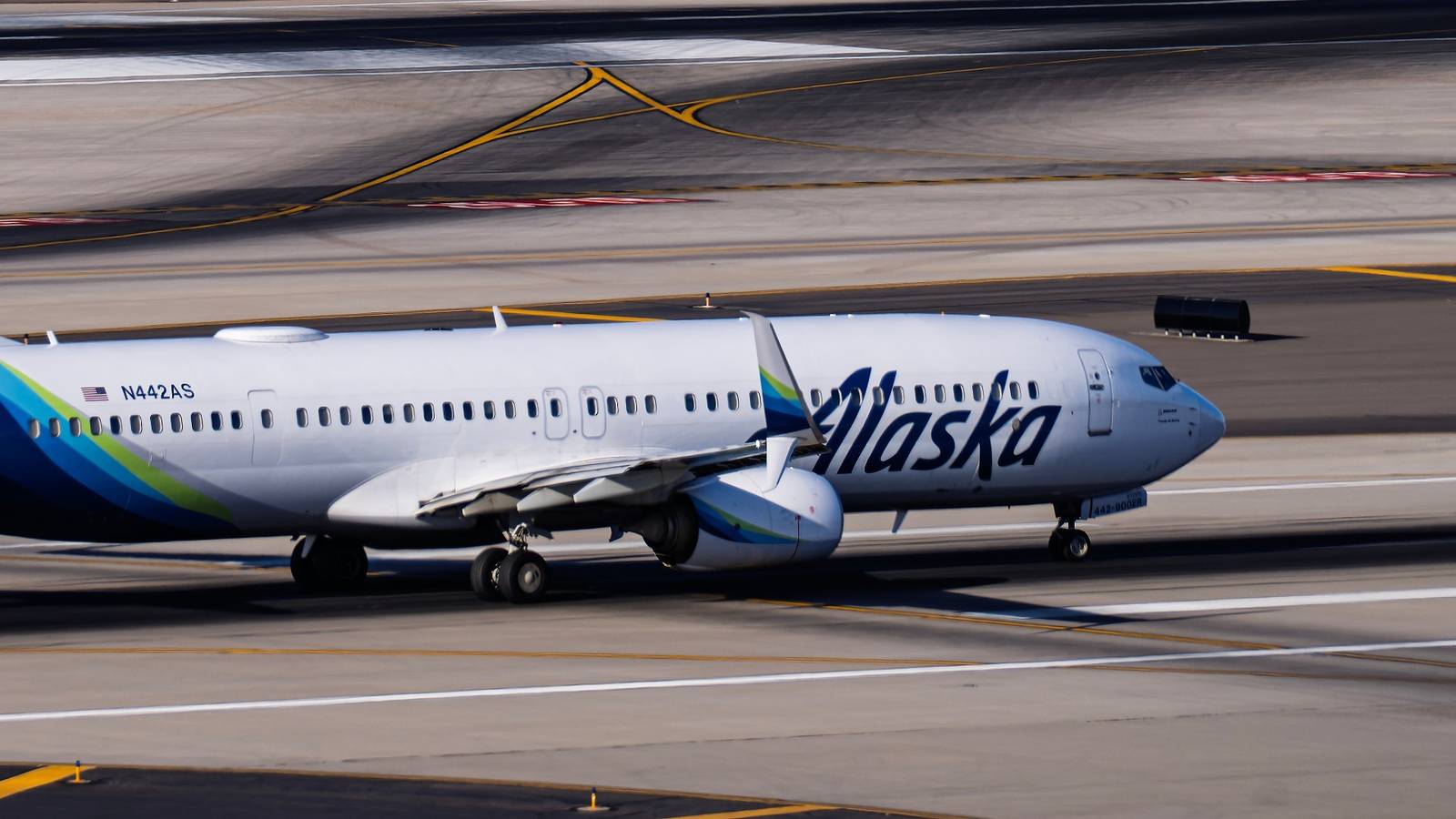
During the taxi phase prior to takeoff at Miami International Airport (MIA), the flight crew of Alaska Airlines Flight 305, bound for Seattle-Tacoma International Airport (SEA), halted operations following a severe cabin disturbance. In response to reports transmitted by flight attendants, the flight deck crew brought the Boeing 737-800 to an immediate stop on the taxiway, engaged the parking brake, and executed an engine shutdown to neutralize any uncoordinated surface movement.
The captain established immediate emergency communications with ground control and the air traffic control tower. Radio recordings confirm that the pilot reported direct threats made against cabin staff by onboard individuals, prioritizing ground containment prior to entering the active runway.
Threat Escalation and Flight Deck Isolation
Verbal statements indicating an intent to interfere with aircraft operations triggered critical defensive protocols. Adhering strictly to standard operating procedures, the pilots secured the reinforced flight deck door and declared a formal flight deck lockdown.
This protective protocol mechanically isolates the cockpit from the passenger cabin, preventing unauthorized access to flight controls. The immediate isolation ensured that critical command systems remained secure while ground law enforcement was dispatched to the scene.
Post-9/11 Regulatory Framework and Cockpit Infrastructure
Reinforced Flight Deck Door Functionality
The lockdown executed on Flight 305 aligns with global civil aviation mandates enacted following the security overhauls of September 11, 2001. The reinforced flight deck door serves as an impenetrable physical barrier engineered to withstand physical impacts and forced entry, controlled exclusively from within the cockpit by the flight crew.
Once the lockdown mechanism is engaged, exterior access systems are overridden. This operational protocol eliminates discretion during suspected interference, safeguarding pilot control regardless of cabin conditions.
Air Traffic Control Integration and Law Enforcement Response
Platform Risk Management and Tactical Deployment
Declaring a security emergency allowed Miami air traffic controllers to isolate the event and manage surrounding surface traffic. Controllers diverted nearby aircraft away from the stationary Boeing 737-800, creating a secure operational perimeter and clearing access routes for emergency responders.
Officers from the Miami-Dade Sheriff’s Office Airport District boarded the aircraft and established tactical control. As a precautionary measure, all passengers were deplaned to enable a comprehensive security sweep of the cabin and cargo holds. The physical inspection concluded that no credible threat or hazardous materials were present.
Administrative Resolution and Operational Recovery
Passenger Separation and Service Resumption
Following individual interviews, law enforcement separated two passengers linked to the disturbance from the primary passenger manifest. Upon determining that no actionable threat existed, Alaska Airlines rebooked the two individuals on a subsequent flight, resolving the incident without immediate federal or local charges reported.
Once cleared by law enforcement, the Boeing 737-800 was returned to service. Passengers reboarded and Flight 305 completed its transcontinental route to Seattle-Tacoma. While the emergency response caused logistical delays, the strict application of aviation security protocols ensured complete operational integrity.