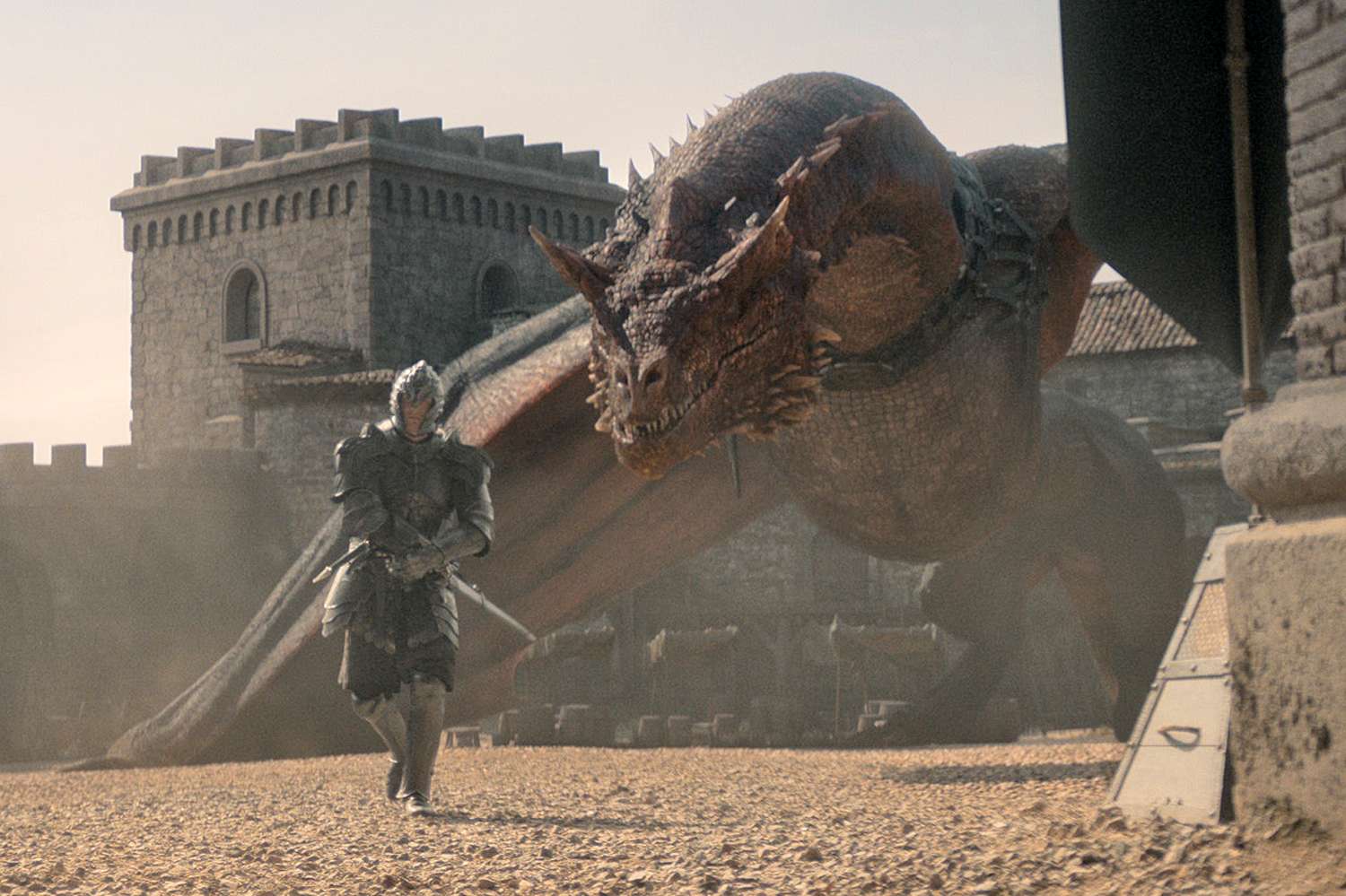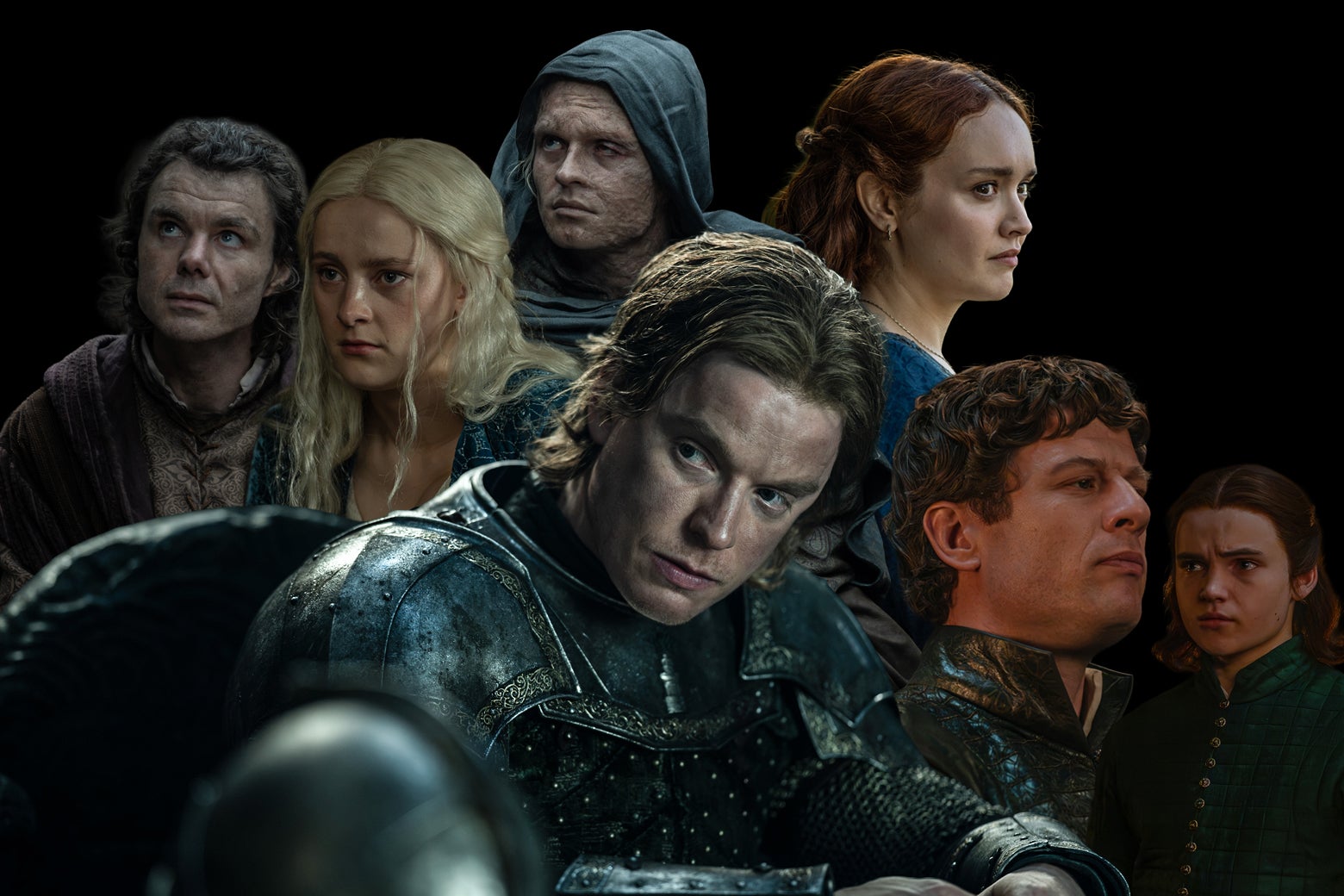
The conclusion of HBO’s third season of House of the Dragon highlights complex structural and narrative shifts in contemporary television adaptation. Based on George R. R. Martin’s historical chronicle Fire and Blood, the series navigates the tension between source-material fidelity and showrunner autonomy. These creative divergences have sparked significant public discussion, including commentary attributed to the author regarding deviations from the original text.
Amid these creative frictions, the adaptation utilizes character-driven subplots and grand-scale conflict sequences to alter its narrative pacing. Rather than containing major climaxes within penultimate episodes, the third season finale projects unresolved strategic vulnerabilities directly into subsequent production cycles.
Within the narrative’s internal politics, Rhaenyra’s leadership displays strategic missteps that shift stakeholder alignment. The exile of trusted advisers like Mysaria and a preoccupation with esoteric prophecies alienate domestic constituents facing immediate economic pressures. Furthermore, high-stakes maneuvers involving religious authority draw parallels to medieval governance models, risking institutional unrest.
The bifurcation between the Blacks and the Greens redefines audience engagement and institutional risk. Viewers navigate morally ambiguous character arcs where strategic infighting threatens mutual destruction, shifting focus toward the systemic collapse of the Targaryen dynasty.
Platform stakeholders face the challenge of maintaining subscriber retention and critical acclaim amid high production expenditures and vocal source-material purists. The production team’s ability to deliver commercially viable content while managing public creator disputes tests intellectual property resilience.