
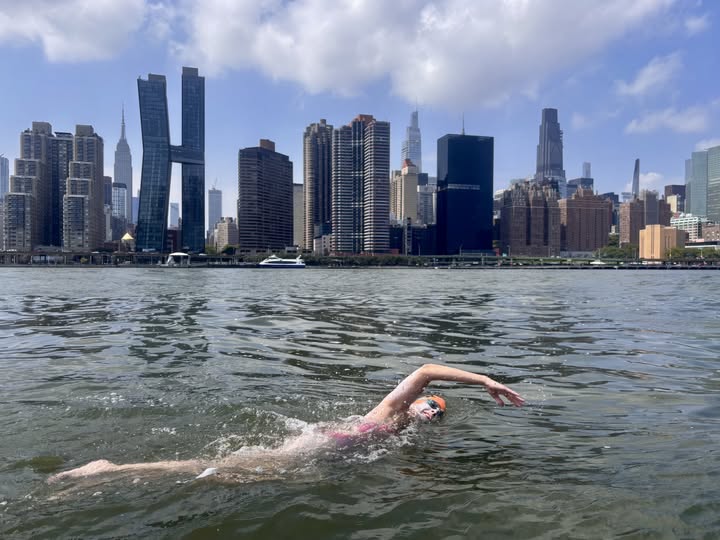
The marathon swimming community is grappling with the loss of Rebecca “Becky” Thompson, a 47-year-old physicist and elite endurance athlete who died following a cardiac arrest during a Catalina Channel crossing. On July 26, Thompson collapsed after more than 17 hours in the water while attempting the 20-mile stretch between Santa Catalina Island and the California mainland. Despite immediate intervention, she succumbed to a hypoxic brain injury several days later.
The 17-Hour Threshold: Physiological and Operational Risks
In ultra-endurance swimming, the 17-hour mark often represents a critical metabolic inflection point. At this stage, the cumulative effects of thermal stress, electrolyte imbalance, and glycogen depletion significantly elevate cardiovascular risk. Thompson’s attempt, conducted under the observation of the World Marathon Swimming Federation (WMSF), highlights the extreme physiological margins of the sport. The WMSF’s release of her GPS data offers a transparent, data-driven record of her final hours, providing the community with vital information to analyze the correlation between environmental conditions and athlete performance during late-stage exhaustion.
Institutional Accountability and Safety Protocols
The involvement of the WMSF underscores the importance of regulatory oversight in high-risk aquatic endeavors. By documenting the incident and publishing the tracking logs, the federation maintains the integrity of the sport’s historical archives while facilitating a post-hoc analysis of safety standards. This tragedy is expected to prompt a review of monitoring protocols for athletes in the second half of “Triple Crown” attempts, where subtle signs of cardiovascular distress may be masked by the expected fatigue of a long-duration swim.
The Synergy of Science and Sport
Thompson’s career was a unique synthesis of intellectual rigor and physical resilience. A PhD physicist from the University of Texas and a prominent figure at the American Physical Society, she specialized in making complex science accessible through her “Spectra” comic series and her book, Fire, Ice, and Physics. This analytical framework likely informed her transition from 12 Ironman triathlons to the specialized niche of ice swimming and marathon crossings. Her 2024 selection for the U.S. Ice Swimming World Championship roster demonstrated an elite capacity for thermoregulatory adaptation, a skill set that demands a deep understanding of the body’s physical limits.
Legacy and Strategic Implications for Endurance Sports
The passing of an athlete who embodied the intersection of physics and performance leaves a significant void. Thompson’s achievements, including the 20 Bridges swim in Manhattan and her pioneering traverse of Schroon Lake, established her as a formidable figure in the sport. Her death may ignite broader discussions regarding medical screening for masters-level athletes (ages 40+) in ultra-endurance events, given the differing cardiovascular risk profiles associated with this demographic. Ultimately, Thompson’s legacy remains one of fearless inquiry—a life dedicated to mastering the physical laws of the universe and testing them against the power of the sea.

Photo by nitli on Pixabay.