Strategic Talent Acquisition and Franchise Longevity
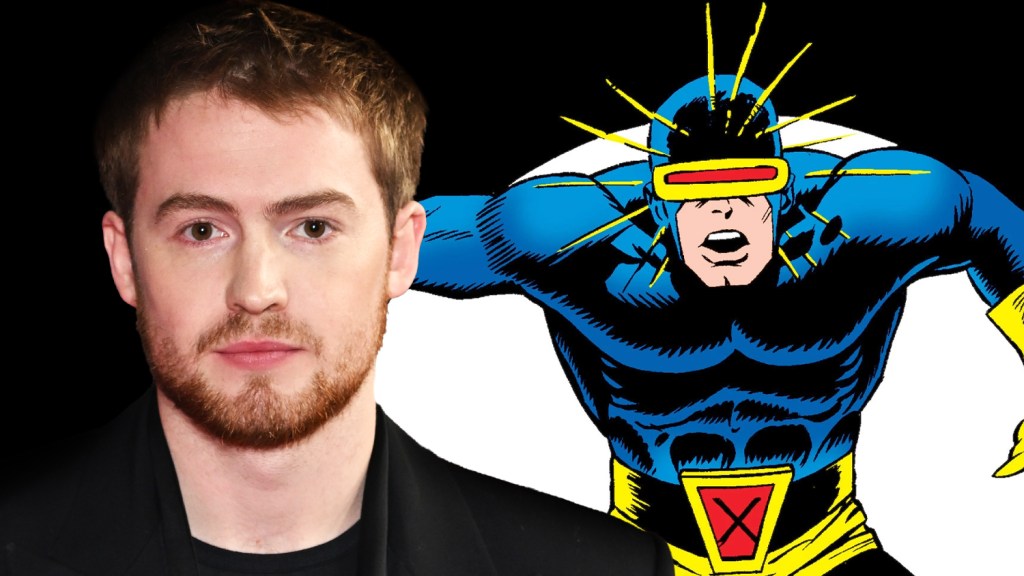
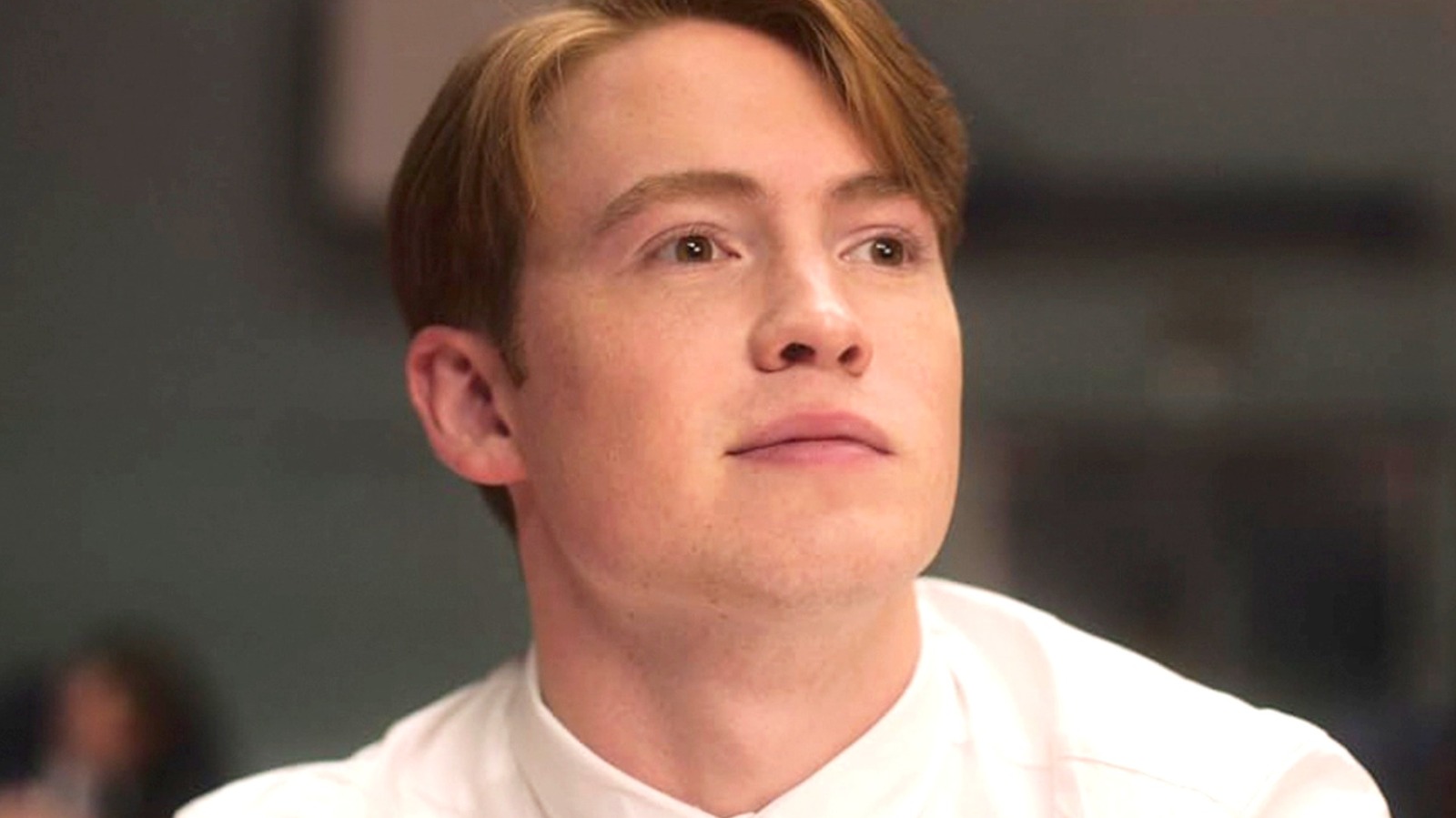
The reported casting of Kit Connor as Scott Summers (Cyclops) represents a calculated shift in Marvel Studios’ recruitment philosophy. By moving away from hyper-established veteran leads, Kevin Feige and director Jake Schreier are prioritizing ‘franchise-life-cycle’ assets—actors capable of sustaining a decade-long narrative arc. Connor’s high-engagement profile among Gen Z and streaming demographics provides the MCU with a pre-built audience bridge, essential for revitalizing a property that has been dormant since the 21st Century Fox merger.
Tactical Leadership and Narrative Integrity
In X-Men lore, Cyclops is the tactical cornerstone. Marvel’s decision to cast Connor suggests a narrative focus on the evolution of leadership rather than a static portrayal of authority. This choice facilitates a ‘ground-up’ build of the team’s interpersonal dynamics, moving away from the ensemble-bloat of previous iterations. The selection process, which intensified post-July 4th, underscores the high-priority nature of this production as a foundational pillar for the MCU’s upcoming phases.
Institutional Trust and Directorial Synergy
Jake Schreier’s involvement as director confirms a trend of institutional continuity within Marvel. His concurrent work on Thunderbolts* establishes a creative shorthand with executive leadership, reducing the ‘friction-to-output’ ratio during the complex pre-visualization phases required for mutant-centric VFX. This synergy is critical for managing the capital-intensive nature of the X-Men reboot, ensuring that artistic direction remains tethered to the broader MCU ecosystem.
Ensemble Architecture and Market Calibration
The strategic pairing of Kit Connor with Samara Weaving (reportedly cast as Emma Frost) indicates a balanced portfolio of talent. While Weaving brings genre credibility and established range, Connor represents rising market value. This architecture suggests a narrative pivot toward complex, character-driven conflict. Rumors surrounding Charles Melton (Beast) and Cailee Spaeny (Rogue) further reinforce a strategy of assembling a high-caliber, diverse cast designed for global box office resilience and multi-platform expansion.
IP Leverage and Content Ecosystem Transformation
For Disney, the X-Men reboot is a financial imperative. Following market fluctuations in the superhero genre, the integration of mutants serves as a structural hedge against superhero fatigue. By securing a young lead, the studio mitigates talent turnover risks. Furthermore, the secrecy surrounding the broader cast suggests that these characters will serve as the primary drivers of cross-over events, transitioning the MCU from the Multiverse Saga into a mutant-centric era of storytelling.
Conclusion: Financial and Cultural Implications
Early casting allows for precise technical preparation, from suit design to motion-capture integration, optimizing pre-production budgets. Beyond the screen, Connor’s casting unlocks lucrative revenue streams in merchandising and digital content. As Marvel Studios enters principal photography, this decision stands as a definitive statement of intent: a modernization of 1963’s core themes—identity, leadership, and conflict—calibrated for a contemporary global audience.