
Modern professional sports leagues operate within an expansive media ecosystem where athletic performance frequently intersects with broader cultural and political debates. Athletes across various disciplines increasingly face external pressures to take public stances on contentious social issues, creating distinct operational challenges for both competitors and governing organizations.
Recent commentary from prominent sports figures highlights divergent approaches to polarizing societal controversies. While some participants actively engage in public discourse regarding regulatory policies and institutional governance, others deliberately distance themselves from these arenas, illustrating complex strategic calculations concerning personal branding and professional focus.
Strategic Divergence in Athlete Public Engagement
Indiana Fever guard Sophie Cunningham recently articulated specific positions concerning the participation of transgender athletes in women’s competitive sports. Framing her perspective around the protection of young participants and privacy standards, Cunningham’s explicit commentary drew immediate institutional attention and positioned her within ongoing legislative debates.
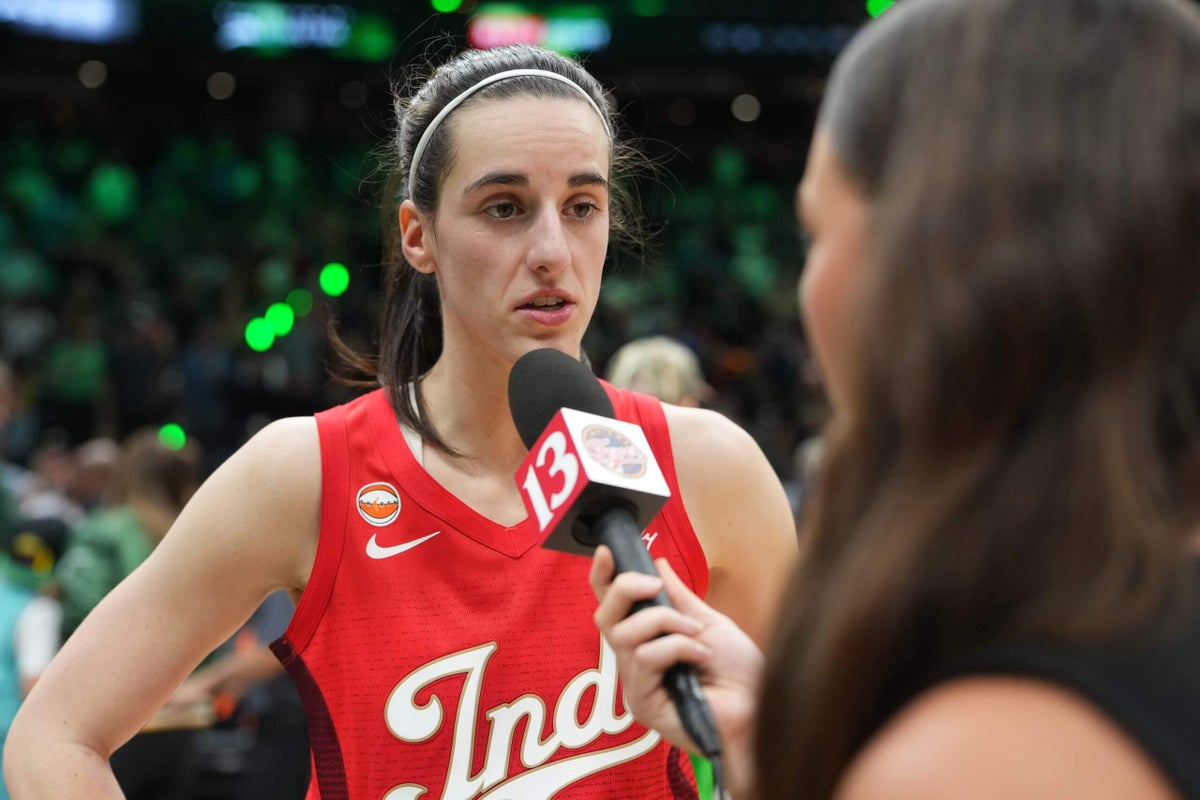
Conversely, teammate Caitlin Clark has consistently maintained a policy of public detachment from political controversies. Despite persistent external framing and attempts to draw her into polarized discourse, Clark emphasizes her focus on athletic competition, reflecting an alternative management strategy aimed at insulating professional performance from ideological contention.
Institutional Implications and Governance Challenges
The convergence of professional athletics and sociopolitical debate places operational strain on league executives and franchise management. Sports leagues must balance individual freedom of expression against the corporate interests of broadcast partners and commercial sponsors, requiring sophisticated communication strategies to maintain stability.
When questioned regarding teammate statements on athletic eligibility policies, Clark redirected responsibility to league administrators. This demarcation underscores the structural distinction between player responsibilities and organizational governance within professional sports.
Media Ecosystems and Stakeholder Risk Exposure
The contemporary sports media landscape thrives on narrative generation, frequently amplifying controversies beyond traditional athletic analysis. Athletes, teams, and commercial entities face varying degrees of reputational and financial exposure as partisan observers critique both advocacy and expressions of neutrality.
Industry stakeholders must continuously evaluate the financial risks associated with polarizing public commentary. Because leagues and franchises invest heavily in brand equity and broad consumer appeal, the tension between athlete advocacy and corporate risk management remains a defining characteristic of modern sports administration.
Broader Cultural Pressures on Professional Competitors
The expectation for high-profile athletes to function as cultural commentators represents a shift from historical athletic evaluation metrics. Digital media platforms demand continuous engagement, pressuring athletes to adopt public stances on complex social matters.
This environment affects competitors differently, as demonstrated by figures such as Aaron Rodgers, Sophie Cunningham, and Caitlin Clark. While some leverage platforms to address institutional policies, others prioritize athletic concentration to mitigate professional distraction in an era of heightened ideological polarization.