
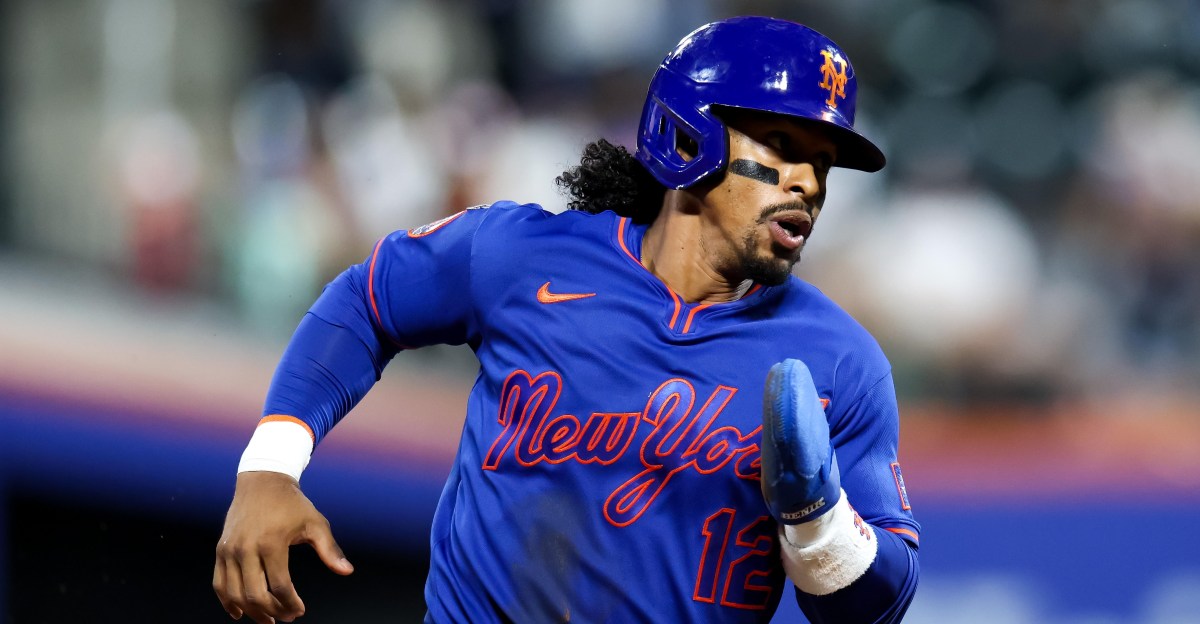
Mets Confront Roster Realities in Cleveland Series
The New York Mets (47-66) begin a three-game series against the Cleveland Guardians (57-56) in a pivotal post-trade deadline period. This series necessitates a strategic recalibration, prioritizing the evaluation and development of emerging talent as immediate competitive aspirations for the current season are largely diminished.
Significant roster changes, including five open spots created by the “fire sale,” coupled with the absence of Juan Soto due to a recurring calf injury, compel a strategic pivot. The focus shifts from contention to foundational roster construction and player assessment.
Strategic Imperatives in a Rebuilding Phase
The remaining games serve as a crucial scouting opportunity for management and fans, with an emphasis on identifying future core players. The development of outfielders A.J. Ewing and Carson Benge at the major league level is paramount, offering insight into the team’s potential future offensive production.
The organization’s strategic impetus now centers on determining which developing players, elevated due to roster vacancies, can establish themselves as viable major league options for the subsequent season. This requires rigorous assessment of performance metrics and adaptability under pressure to inform future personnel decisions and resource allocation.
Veteran Performance as a Stabilizing Factor
Amidst organizational transition, veteran shortstop Francisco Lindor’s performance post-All-Star break offers a stabilizing element and a benchmark for offensive execution. His recent surge, marked by a .295/.366/.574 slash line and a 165 wRC+ over 70 plate appearances, demonstrates sustained high-level production.
Lindor’s current offensive trajectory, while not featuring stolen bases, highlights his value as a consistent offensive threat and a leader. His continued performance provides a tangible asset, both on-field and potentially as a tradeable commodity should the strategic direction require further asset reallocation.
Emerging Talent and Future Roster Projections
The inclusion of players like A.J. Ewing and Carson Benge in the starting lineup against the Guardians signifies a deliberate organizational strategy to accelerate their development. Their performance in high-leverage situations will be closely scrutinized, influencing their long-term projections and the team’s outfield composition for future seasons.
The team’s ability to effectively integrate these younger players will directly impact the capital required for future roster enhancements, potentially reducing reliance on external acquisitions. This developmental focus is a critical component of the Mets’ long-term financial and competitive planning.
Competitive Landscape and Divisional Dynamics
The Mets’ current standing (47-66) places them in a challenging divisional position, necessitating a pragmatic approach to the remainder of the season. The Guardians (57-56) represent a competitive benchmark for the developing Mets roster.
This series against the Guardians is crucial for establishing a competitive foundation for future seasons. The performance of both teams will offer insights into their respective organizational trajectories and strategic priorities within the broader league context.
Operational Adjustments and Performance Metrics
Starting lineups reflect immediate strategic decisions based on player availability and performance. For the Mets, the lineup featuring A.J. Ewing (LF), Francisco Lindor (SS), Bo Bichette (3B), Francisco Alvarez (DH), Carson Benge (RF), and Luis Robert (CF) showcases a blend of established veterans and developing talent.
The Guardians’ lineup, led by Steven Kwan (CF), Jo Adell (RF), and Rhys Hoskins (1B), presents a different offensive challenge. The pitching matchup, featuring Sean Manaea (LHP) for the Mets and Joey Cantillo (LHP) for the Guardians, introduces a tactical dimension, influencing offensive strategies and bullpen management.
Stakeholder Implications and Fan Engagement
For Mets fans, the remainder of the season offers an opportunity to witness the maturation of potential future stars, fostering investment in the team’s long-term vision. Showcasing young talent aims to maintain fan engagement and build anticipation for future competitive cycles.
Operational decisions, such as increased playing time for developing players, carry reputational implications for management and coaching. Success in player development can bolster confidence in the organizational strategy, while continued struggles may invite increased scrutiny.
Capital Allocation and Future Roster Building
The “fire sale” and subsequent roster openings provide the Mets with a clearer picture of their capital allocation needs. Identifying internal development candidates can potentially reduce reliance on expensive free-agent acquisitions or high-cost trades.
This strategic shift allows for a more targeted approach to capital deployment, focusing resources on specific positional needs or acquiring high-impact talent that complements the emerging core. Player performance will directly inform budget allocations for roster reinforcements.
Market Dynamics and Player Valuation
The “fire sale” and opportunities for younger players impact league-wide player valuations. The success of prospects like Ewing and Benge could influence the market for similar talent, setting new benchmarks for performance and potential.
Conversely, the financial implications of a rebuilding phase, including reduced payroll flexibility and potential revenue impacts, are significant. The Mets’ ability to generate future value through player development will be key to their long-term financial health and competitive standing.
Institutional Strategy and Long-Term Vision
The current series against the Guardians is a microcosm of the Mets’ broader institutional strategy, prioritizing long-term sustainability over short-term gains. This approach requires commitment to player development, strategic scouting, and disciplined capital allocation.
The success of this strategy will be measured by future on-field results and the organization’s ability to cultivate a consistent talent pipeline and maintain a competitive edge. The decisions made now will shape the team’s identity and its place within the league.
Broadcast and Fan Engagement Infrastructure
Broadcast information, including SNY television and Audacy radio affiliates, highlights the infrastructure supporting fan engagement during this transitional period. The availability of these platforms ensures supporters can follow the team’s progress, even as the focus shifts to development.
User account registration for reduced ads and community features aims to foster a connected fanbase. This strategy seeks to retain and grow engagement through interactive experiences, crucial for maintaining morale during a rebuilding phase.
Risk Exposure and Performance Leverage
The Mets’ current situation exposes them to risk in terms of immediate competitive performance and potential reputational damage if development initiatives falter. However, this period also offers significant performance leverage through the opportunity to identify and cultivate cost-controlled, high-potential talent.
Successful integration of young players can mitigate future financial burdens and provide a stable foundation for sustained success. Failure to develop these assets could necessitate further costly roster overhauls, increasing financial risk.
Capital Movement and Strategic Reallocation
The “fire sale” represents significant capital movement, both in traded player assets and subsequent financial resource reallocation. The focus shifts from acquiring established, high-salaried players to investing in scouting, player development infrastructure, and potentially smaller, strategic acquisitions.
This strategic re-evaluation of capital deployment is critical for optimizing long-term financial health and competitive viability. The organization’s ability to generate returns on investment in player development will be a key indicator of its strategic acumen.
Downstream Effects on League Dynamics
The Mets’ strategic shift impacts league dynamics, particularly concerning player acquisition and valuation. As teams prioritize internal development, the market for established veterans may adjust, and the emphasis on scouting and minor league systems will intensify across the league.
This trend contributes to a broader league-wide evolution, where organizational depth and development pipelines become increasingly critical differentiators for long-term success. The outcomes of such strategies can influence how other franchises approach roster management and capital allocation.
Performance Leverage and Strategic Adaptability
Francisco Lindor’s performance serves as crucial leverage, providing a stable offensive anchor that can absorb volatility from a developing roster. His consistent production allows the team to maintain a baseline competitiveness while integrating new talent.
This strategic adaptability, leveraging veteran performance to support developmental initiatives, is characteristic of successful rebuilding efforts. The organization’s ability to manage this balance will be key to its progress toward future contention.
Institutional Investment and Future Outlook
The Mets’ current operational phase signifies substantial institutional investment in future potential, shifting focus from immediate results to long-term roster sustainability. This strategic orientation requires patience and commitment to nurturing young talent through major league competition.
The success of this long-term vision hinges on the organization’s ability to identify, develop, and retain key players, building a resilient and competitive franchise. The outcomes of this developmental period will shape the team’s future outlook and its standing within Major League Baseball.

Photo by C1ri on Pixabay.