The return of the ATP Canadian Masters to IGA Stadium brings a convergence of career milestones, competitive pressures, and promotional imperatives. As the professional circuit navigates the summer hardcourt swing, tournaments like the Omnium Banque Nationale serve as critical operational nodes for player conditioning and commercial engagement. Within this landscape, veteran farewell tours and newly minted Grand Slam champions intersect to create a distinct scheduling and narrative environment.
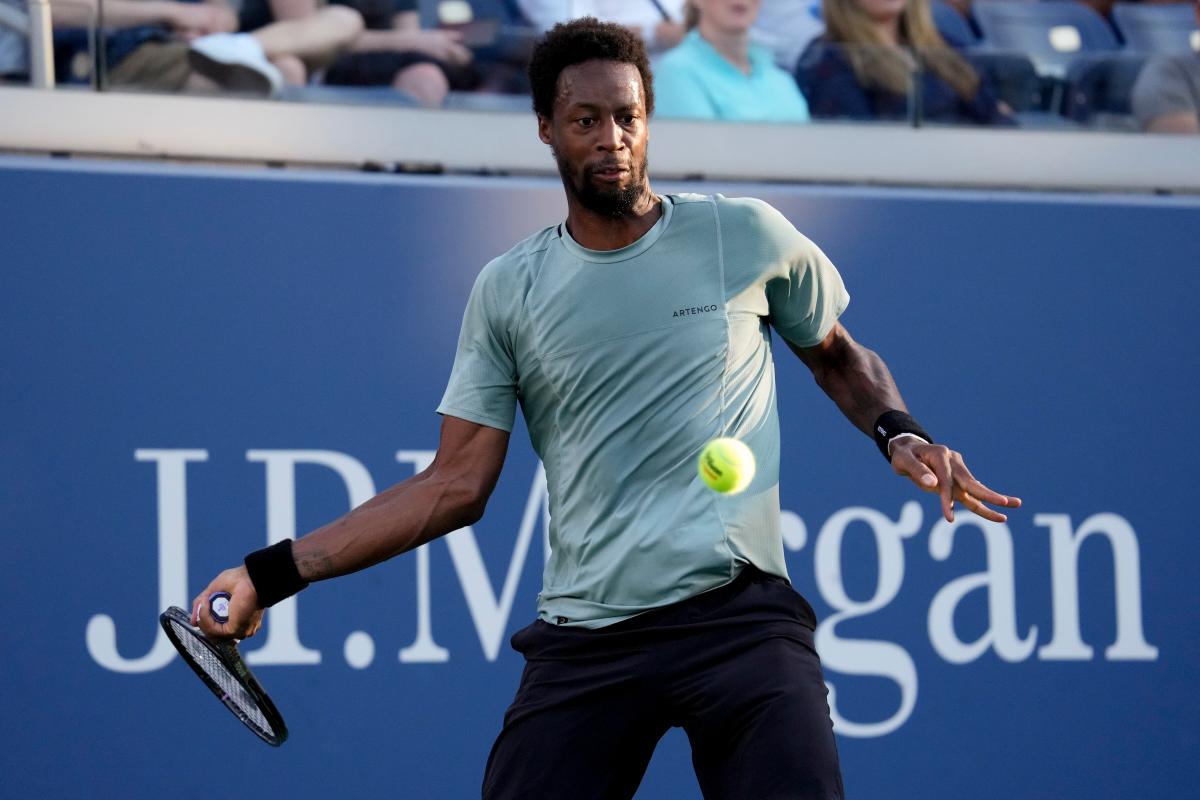
Gael Monfils enters the Montreal draw facing a formidable competitive challenge against Kamil Majchrzak amid an emotional backdrop. Approaching thirty-nine, Monfils is completing the final season of a career defined by athletic showmanship, securing intense partisan support. However, tournament draws remain strictly meritocratic, matching sentiment against current competitive metrics.
Competitive Realities and Form Metrics
Kamil Majchrzak approaches the opening round holding a significant statistical advantage as a thirty-year-old journeyman experiencing a career-best run of form. Having secured his inaugural career title at s-Hertogenbosch by overcoming top-tier competition, including Felix Auger-Aliassime, Alex de Minaur, and Daniil Medvedev, Majchrzak commands market respect with -320 odds. The operational challenge for Monfils lies in translating crowd electricity into immediate tactical leverage against an opponent operating at peak physical efficiency.
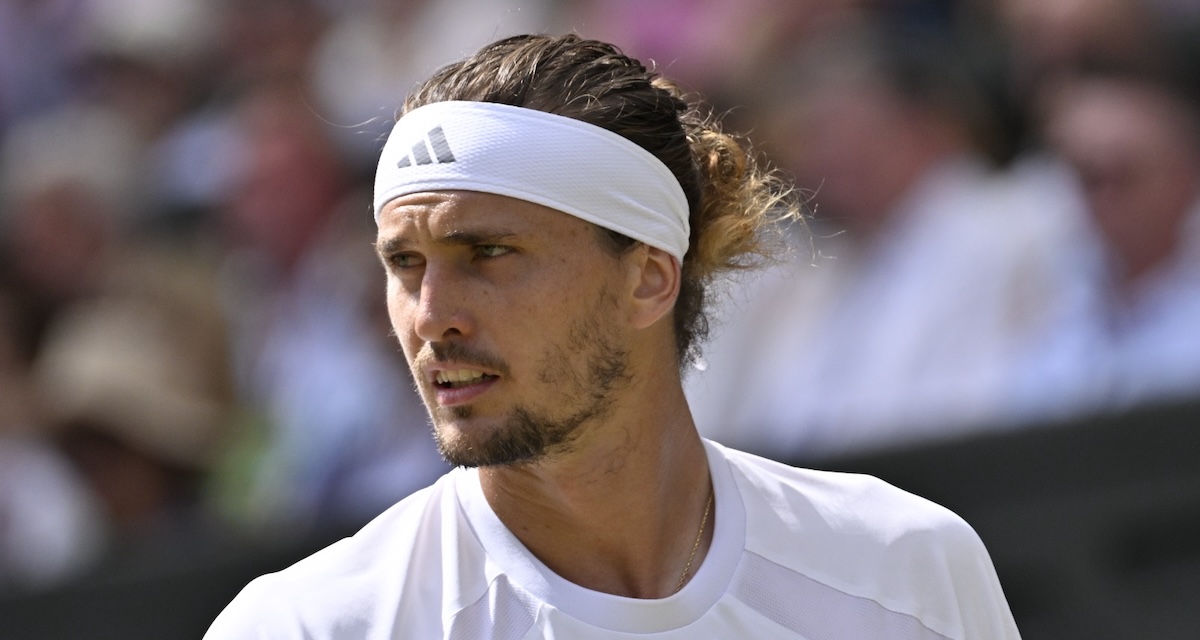
Beyond the opening round, the tournament structure has been heavily influenced by late withdrawals among top contenders. These absences elevate Alexander Zverev to the top seed position, altering the competitive hierarchy and increasing organizational reliance on the German player for promotional visibility. Such structural shifts dictate media allocations, scheduling priorities, and the distribution of tournament pressure.
Promotional Innovation and Executive Strategy
Organizers frequently deploy unconventional promotional activations ahead of high-profile events. Prior to his opening match, Zverev participated in a unique activation at the Montreal Canadiens training facility in Brossard, hitting tennis balls on an improvised court split between standard resin and ice. This initiative reflects the commercial imperative of blending local cultural markers, such as ice hockey, with tennis infrastructure to maximize media engagement.
Zverev arrives in Canada defending his status as tournament favorite, albeit under entirely new career circumstances. The achievement of his first major title at Roland-Garros, following three prior runner-up finishes in major finals, fundamentally alters his competitive profile and psychological standing. Conquering a five-set final against Flavio Cobolli after navigating a depleted rival field provided both validation and internal stress, highlighting the narrow margins governing elite success.
Operational Pressures and Tour Economics
As the top seed in a Masters 1000 event, Zverev absorbs an outsized share of off-court media obligations. Tournaments rely heavily on marquee players to anchor broadcast schedules and ticket sales, creating a delicate balance between athletic preparation and commercial cooperation. The execution of marketing concepts like the half-ice tennis exhibition demonstrates the continuous adaptation required from tournament executives to maintain audience interest in a crowded sports entertainment market.
The convergence of veteran departures, such as Monfils concluding his career, and established champions defending their crowns underscores the transitional nature of the current tennis ecosystem. Tournaments must constantly balance honoring established fan favorites with promoting emerging talents who dictate the competitive standard, guiding the strategic planning of player management teams and tournament directors.