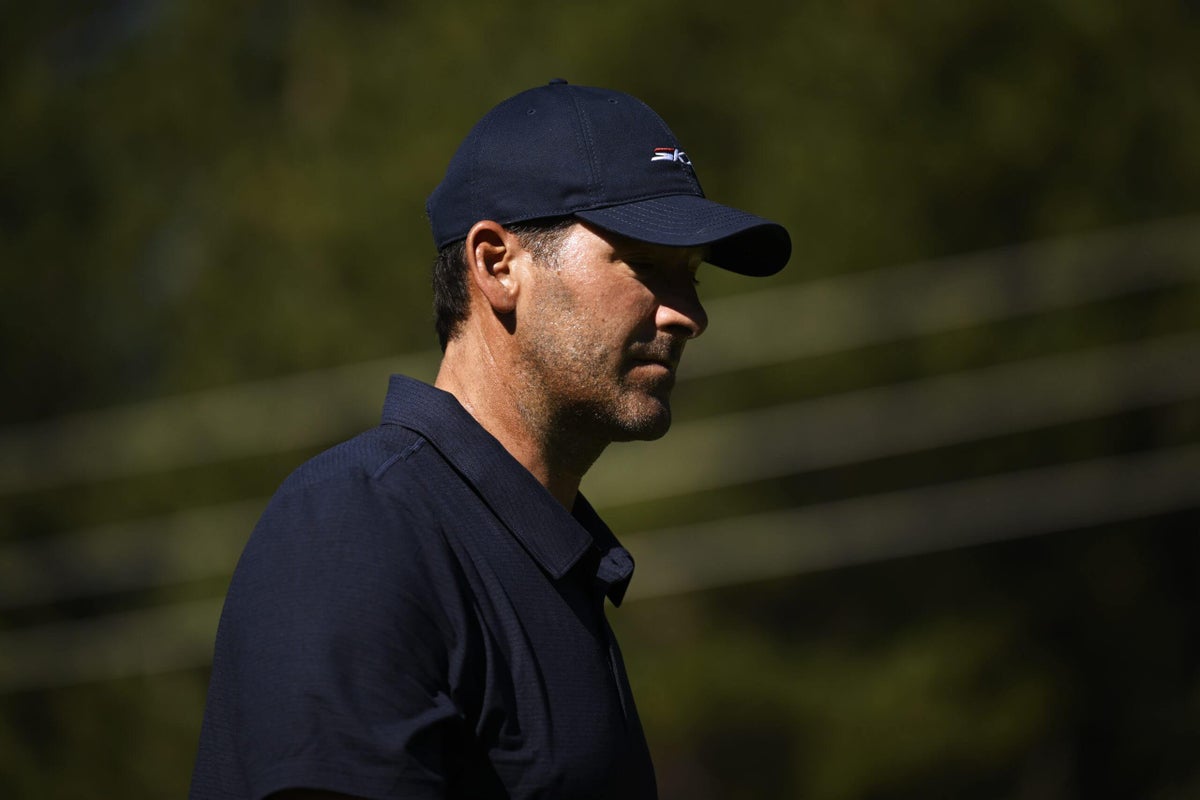
CBS Sports’ 2020 decision to sign Tony Romo to a ten-year, $180 million contract, initially met with industry criticism as potentially the worst media deal ever, now frames the network’s operational challenge following Romo’s recent arrest for operating a vehicle while intoxicated. This incident has prompted CBS to sideline its lead NFL analyst, inserting J.J. Watt into the primary broadcast booth alongside Jim Nantz.
The current crisis is deeply rooted in the contentious negotiations of Romo’s original contract. Reports from Fox Sports host Colin Cowherd suggest Romo leveraged a competitive bid from ESPN for ‘Monday Night Football’ to secure maximum financial terms from CBS. This aggressive negotiation strategy reportedly fostered internal resentment among network leadership, diminishing Romo’s executive support when faced with public controversy.
Leverage Dynamics in High-Value Talent Acquisition
The modern sports broadcasting landscape empowers top analysts with significant financial leverage, especially when multiple networks vie for marquee talent. These competitive bidding wars frequently lead to long-term, guaranteed contracts that often extend beyond typical risk assessments. Romo’s agreement, with approximately $72 million remaining over its final four years, was secured during a period of aggressive spending by networks on live sports rights and associated talent.
However, maximizing financial gain through adversarial negotiations can negatively impact an individual’s standing within a media organization. When a high-salaried personality lacks robust executive goodwill, organizational responses to controversies tend to be decisive and protective of the network’s interests. Cowherd’s observations indicate that CBS executives may have been hesitant to publicly defend Romo immediately after his arrest, reflecting pre-existing institutional strain.
Operational Disruption and Reputational Management
Romo’s absence creates immediate logistical complexities for CBS Sports, particularly with upcoming internal talent and production seminars. Network broadcasts, especially the premier NFL booth, rely on established chemistry and continuity for commercial viability. Promoting J.J. Watt to the lead booth with Jim Nantz and Tracy Wolfson is a direct measure to shield CBS’s most valuable broadcast property from reputational damage.
With public circulation of multi-angle video footage of the traffic stop and an open container citation, CBS faces intense scrutiny that standard PR strategies may not easily mitigate. The network has stated Romo is on leave indefinitely, offering no further comment on the contract’s future. While a return is contractually possible, it would necessitate navigating significant institutional resistance and demonstrating a restored public image.
Strategic Implications for Media Talent Management
This situation underscores inherent vulnerabilities in how traditional media networks structure multi-year financial guarantees for star talent amidst increasing demands for accountability. Substantial guaranteed compensation limits corporate flexibility when talent conduct falls short of compliance standards. A large financial liability coupled with strained executive relationships presents a critical governance challenge in sports television.
As media companies face tighter margins and greater oversight from parent corporations, tolerance for off-air liabilities among top talent is diminishing. The trajectory of Romo’s remaining contract serves as a stark illustration of the risks associated with aggressive negotiation tactics that prioritize financial leverage over long-term cultural alignment. CBS’s ultimate decision regarding the remaining contract obligations will likely depend on the legal proceedings’ outcome and the stability of its flagship NFL broadcast team.