Strategic Realignment in the National League East
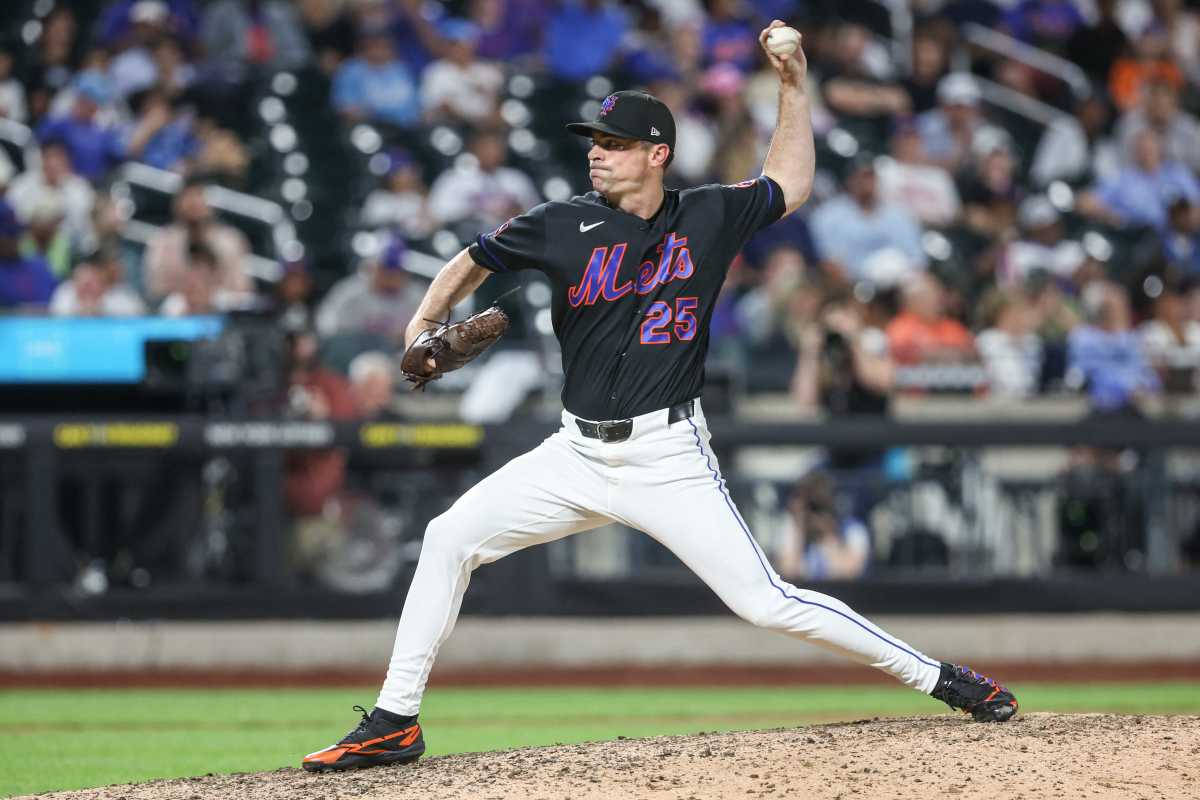
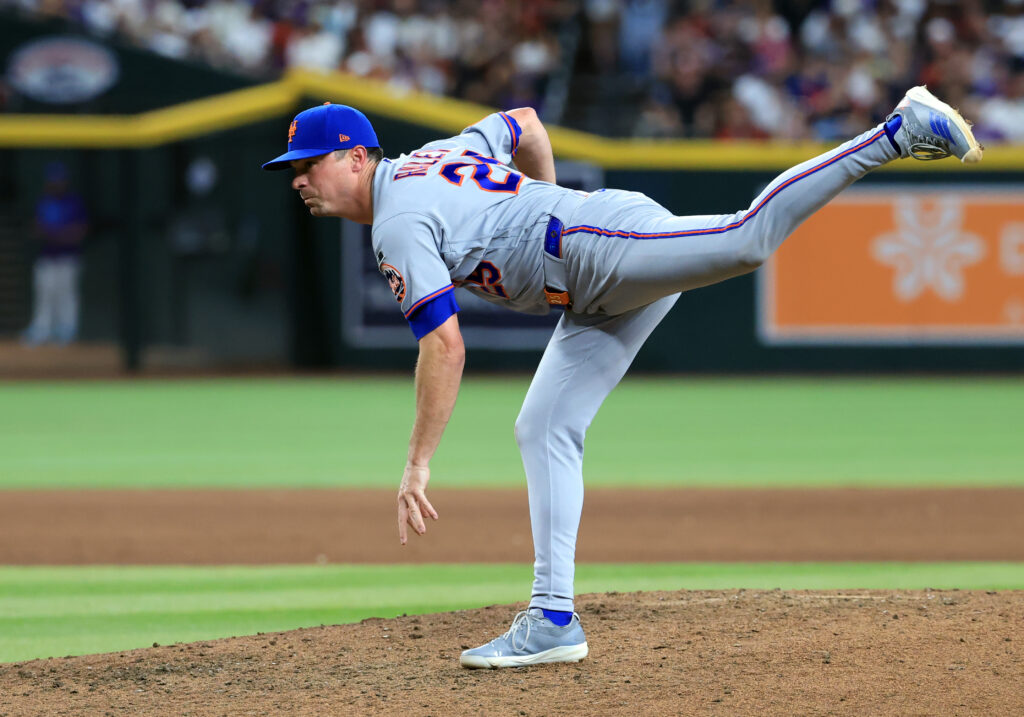
The Philadelphia Phillies’ acquisition of Brooks Raley from the New York Mets represents a calculated injection of high-leverage stability into a relief corps seeking postseason-caliber consistency. By securing the 38-year-old southpaw, Philadelphia has signaled a definitive commitment to its current competitive window, capitalizing on a significant mid-season turnaround facilitated by a managerial transition. This move addresses a critical operational bottleneck, providing the Phillies with an elite weapon to neutralize late-inning threats in an increasingly volatile divisional race.
For the New York Mets, the decision to facilitate an intra-division trade underscores a broader institutional pivot under David Stearns. By liquidating a high-performing veteran asset for developmental talent, the Mets are prioritizing long-term organizational flexibility over immediate standings. This transaction continues a systemic overhaul of the New York bullpen, reflecting an assessment that the 2026 roster’s ceiling necessitated the conversion of expiring contracts into sustainable prospect capital.
Statistical Analysis: Raley’s High-Leverage Efficiency
Brooks Raley’s 2026 campaign is defined by elite strikeout metrics and disciplined zone control. Maintaining a 1.96 ERA with 40 strikeouts across 41.1 innings, Raley emerged as one of the most efficient left-handed relievers on the market. His ability to maintain a sub-2.00 ERA deep into the season provided Philadelphia with a rare combination of veteran poise and swing-and-miss utility, essential for navigating the high-pressure environments of the seventh and eighth innings.
The Phillies’ pursuit was driven by a specific need for a reliable setup man to bridge the gap to the closer. Raley’s historical reliability—evidenced by a 2.31 ERA over 149 appearances for the Mets—mitigates the risk of late-game volatility. As Raley approaches free agency at the end of the 2026 season, Philadelphia is effectively operating within a high-stakes rental framework, wagering that the marginal increase in win probability justifies the sacrifice of long-term prospect depth.
Tactical Shifts and Managerial Influence
The acquisition is inextricably linked to the tactical shift under Manager Don Mattingly. Following the departure of Rob Thomson, Mattingly has overseen a dramatic reversal of fortune, lifting the club from ten games under .500 into a legitimate Wild Card and divisional contender. Mattingly’s preference for matchup-driven bullpen management requires specialized assets like Raley, who can effectively neutralize elite left-handed hitters in high-leverage situations.
This roster fortification allows the managerial staff to optimize pitcher workloads, reducing fatigue-related regression among the existing relief core. By targeting Raley, the Phillies are doubling down on their recent momentum, betting that a fortified bullpen hierarchy will sustain their winning percentage through the rigorous final months of the regular season.
Prospect Evaluation: The Mets’ Developmental Return
In exchange for Raley, the Mets acquired outfielder John Spikerman and RHP Luke Gabrysh. Spikerman, previously Philadelphia’s No. 27 prospect, offers a profile centered on high-floor offensive discipline. His .419 OBP in High-A ball and 18 stolen bases through 30 games suggest a dynamic top-of-the-order potential, aligning with the Mets’ strategy of prioritizing on-base proficiency and defensive versatility over traditional power metrics.
The inclusion of Luke Gabrysh provides New York with additional pitching depth. While Gabrysh’s 5.14 ERA indicates a high-volatility developmental project, his inclusion allows the Mets to take a low-risk gamble on arm talent. Ultimately, this trade represents a pragmatic liquidation for New York: selling high on an expiring veteran to maximize the replenishment of their farm system during a transitional year.
Market Implications and Divisional Risk
Trading a premier asset within the division is a maneuver fraught with strategic risk. However, the decision highlights a modern, analytical approach to front-office management where long-term asset health outweighs the optics of divisional rivalry. For the Phillies, the risk resides in the inherent volatility of relief pitching; any regression from Raley would amplify the opportunity cost of the prospects surrendered. Conversely, for the Mets, the success of this trade will be measured by the eventual Major League impact of Spikerman and Gabrysh, determining if this tactical retreat successfully fuels their 2027 competitive cycle.