Peru Grounds Aerodiana: Fatal Nazca Lines Crash Prompts Regulatory Clampdown
Peruvian aviation authorities have initiated an immediate, temporary suspension of Aerodiana, a prominent sightseeing airline, following a tragic plane crash near the iconic Nazca Lines. The accident, which occurred on a Saturday in the Ica region, resulted in the fatalities of all 13 individuals onboard: 11 European tourists and two Peruvian crew members. This decisive action by Peru’s Ministry of Transportation and Communications (MTC) represents a stringent regulatory response to a significant aviation incident, highlighting governmental commitment to air safety protocols.
The suspension mandates a complete cessation of Aerodiana’s flight operations, particularly those critical scenic tours over the UNESCO World Heritage site, until a comprehensive and exhaustive investigation concludes. This measure aims to rigorously verify the company’s adherence to all national and international aviation regulations, operational procedures, and safety requirements. It’s a standard, albeit severe, protocol designed to ensure public safety and regulatory compliance in the aftermath of such a disaster, probing beyond immediate causes to systemic issues.
Preliminary Findings and Investigative Focus
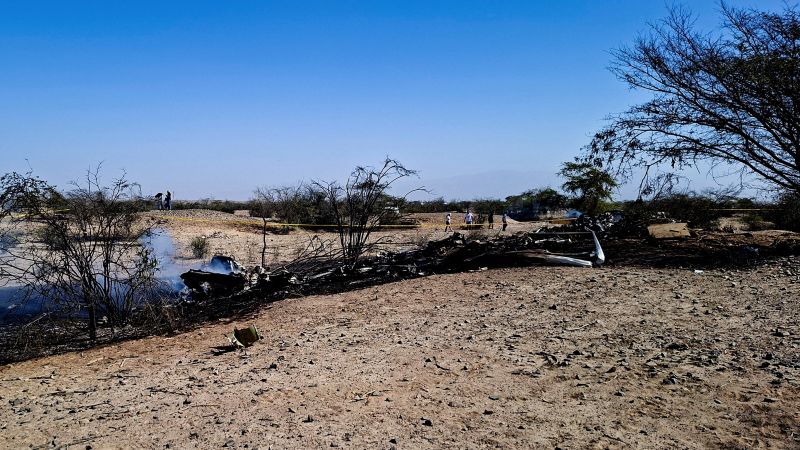
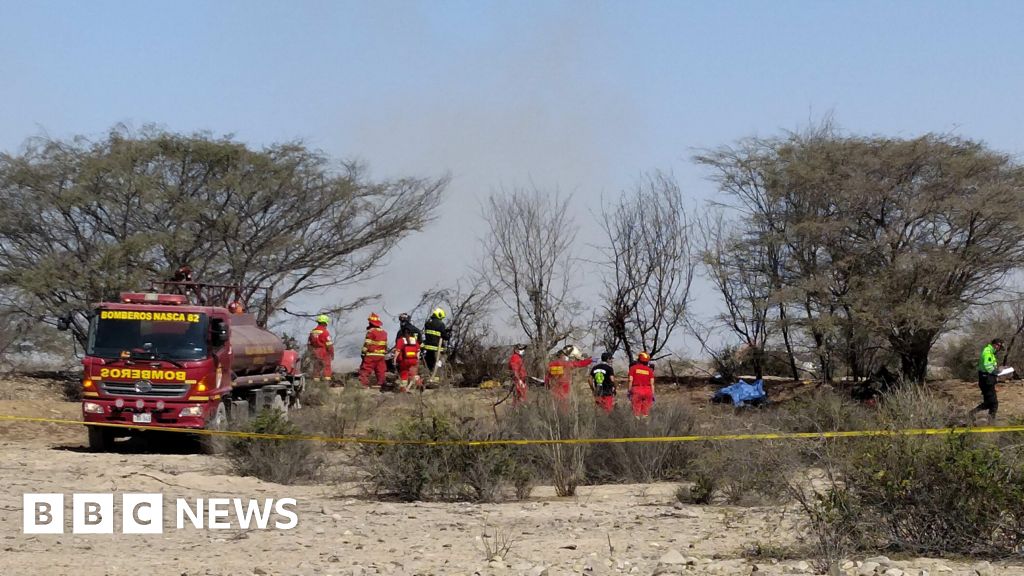
The ill-fated Cessna Grand Caravan C-208, a model commonly used for short-haul passenger and tourist flights, crashed into a field in the Pueblo Viejo region outside Nazca. Preliminary reports, corroborated by Peruvian Foreign Trade and Tourism Minister Rogers Valencia at the crash site, indicate the crew reported ‘mechanical problems’ prior to losing radio contact. This crucial initial finding immediately directs the ongoing investigation by the Peruvian Air Accident Investigation Commission (CIAA) towards potential equipment failures, maintenance deficiencies, or operational irregularities. The probe will meticulously analyze flight data, wreckage, and maintenance records to determine the definitive cause and any contributing factors, underscoring the complexities of aircraft system integrity and operational oversight in specialized flight paths like those over the Nazca Lines.
Human Toll and International Dimensions
The tragedy’s human cost is profound, with all 13 individuals aboard perishing. Among the 11 European tourists were seven Italian citizens (aged 18-54), two 52-year-old Spanish nationals, and two German individuals (aged 77 and 78). This diverse international composition immediately elevated the incident into a matter of significant diplomatic concern, prompting direct engagement from the foreign ministries of Italy, Spain, and Germany. The loss of life across multiple nationalities necessitates complex consular assistance, identification, and repatriation processes, requiring intricate international coordination between Peruvian authorities and the affected embassies. This logistical and diplomatic effort adds a significant layer of complexity to the immediate aftermath, emphasizing the global ripple effect of such an aviation disaster.
The Peruvian crew members, pilot Américo Salazar and copilot Irenka Guanilo del Carpio, also lost their lives. Their deaths highlight the inherent dangers faced by aviation professionals, particularly those engaged in specialized flight operations over unique geographical and sometimes challenging terrains. This serves as a stark reminder of the continuous risks involved in ensuring tourist experiences, demanding the highest standards of crew training, aircraft maintenance, and operational safety protocols.
Cultural Heritage, Tourism Economy, and Safety Imperatives
The Nazca Lines, a UNESCO World Heritage site, are an irreplaceable collection of ancient geoglyphs etched into Peru’s desert by Indigenous civilizations centuries ago. These intricate designs of animals and geometric shapes are most comprehensively appreciated from an aerial perspective, making scenic flights not merely an option but a cornerstone of the region’s tourism economy. This unique dependency creates a direct and critical link between aviation safety standards and the economic viability and global reputation of this cultural heritage site.
As a magnet for international visitors, the Nazca Lines contribute substantially to Peru’s foreign exchange earnings and bolster local economies across the Ica region. The Aerodiana crash, therefore, transcends the immediate operator, casting a shadow over the broader perception of safety for cultural and adventure tourism in Peru. The Peruvian government’s subsequent actions—its transparency in investigation, rigor in regulation, and commitment to restoring confidence—will be pivotal in safeguarding both human life and the long-term sustainability of this vital tourism segment.
Regulatory Oversight and Systemic Review
The Ministry of Transportation and Communications (MTC), Peru’s principal aviation regulatory body, has unequivocally stated that Aerodiana’s suspension will persist until thorough investigations confirm the airline’s full compliance with all aviation regulations, operational procedures, and safety requirements. This structured approach signifies that a significant accident automatically triggers an exhaustive review of an operator’s entire safety management system and operational framework, moving beyond immediate incident response to a holistic assessment of preventive measures.
The investigative protocols, led by the CIAA, involve a multi-faceted approach: meticulous examination of the crash site and wreckage for forensic evidence of mechanical failure, recovery and analysis of flight data recorders (if applicable to the Cessna Grand Caravan C-208), scrutiny of maintenance logs, pilot qualifications, and operational flight plans. This comprehensive inquiry aims not only to pinpoint the direct cause of the crash but also to uncover any latent systemic deficiencies, regulatory gaps, or enforcement weaknesses that might have contributed. The rigor and transparency of this investigation are critical for maintaining the integrity of Peru’s aviation sector, reassuring both domestic and international travelers, and potentially leading to enhanced regulatory frameworks or stricter enforcement protocols for all air tour operators.
Operator Profile and Market Context
Aerodiana, prior to this incident, had established itself as a significant operator in the niche market of Nazca Lines aerial tourism, boasting 14 years of offering scenic flights predominantly using Cessna Grand Caravan C-208 aircraft. This operational history suggests a seasoned presence, yet the immediate suspension underscores that longevity does not preclude the rigorous application of aviation safety standards. The Cessna Grand Caravan, while a common and versatile choice for short-haul passenger and cargo operations, will now be subject to increased scrutiny regarding its operational suitability and maintenance regimes specifically for the demanding, repetitive nature of scenic flights over unique geographical features like the Nazca desert. The incident prompts a necessary re-evaluation of how continuous operational pressures in such specialized tourism sectors might influence maintenance practices, flight scheduling, and overall airworthiness oversight for all operators.
Broader Economic, Reputational, and Policy Repercussions
The Aerodiana suspension precipitates significant economic and reputational cascading effects. For the airline itself, the immediate cessation of operations halts revenue generation while fixed costs persist, posing severe long-term viability challenges and potential job losses. More broadly, the incident casts a palpable shadow over the entire Nazca Lines tourism sector. Other scenic flight operators may experience a downturn in bookings as international tourists become more risk-averse, triggering a ripple effect across dependent local businesses, including hotels, restaurants, and tour guides. This undermines a crucial component of Peru’s foreign exchange earnings and regional economic stability.
Internationally, the accident risks damaging Peru’s brand as a safe destination for cultural and adventure tourism. This necessitates a strategic review by the Peruvian government to re-evaluate the delicate balance between promoting its invaluable cultural heritage and ensuring unimpeachable safety standards for visitors. Policymakers are likely to assess existing oversight mechanisms for small charter and sightseeing operations, potentially leading to enhanced inspection regimes, stricter licensing requirements, increased penalties for non-compliance, and proactive investments in regulatory capacity. The long-term objective is to reinforce Peru’s commitment to visitor safety, thereby sustaining international tourist flows and protecting its vital tourism economy.
Ultimately, the unique interdependence of cultural preservation and commercial enterprise at sites like the Nazca Lines demands an exceptionally high standard of aviation safety. This tragedy serves as a poignant reminder that commercial imperatives must never compromise safety protocols, especially in specialized tourism sectors. The ongoing investigation will meticulously scrutinize whether operational pressures for frequent scenic flights adequately accounted for aircraft maintenance, pilot fatigue, and comprehensive emergency preparedness. The sustainability of cultural tourism hinges on public perception of reliability and safety, ensuring that the wonder of discovering ancient mysteries is never overshadowed by preventable tragedy.