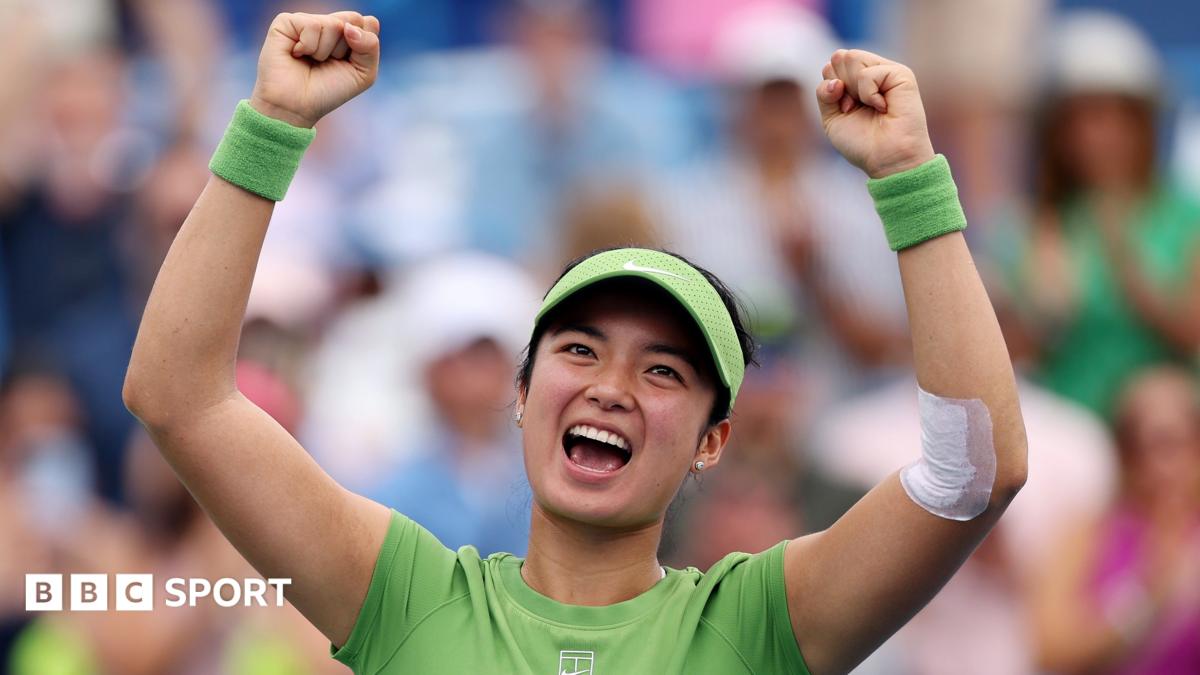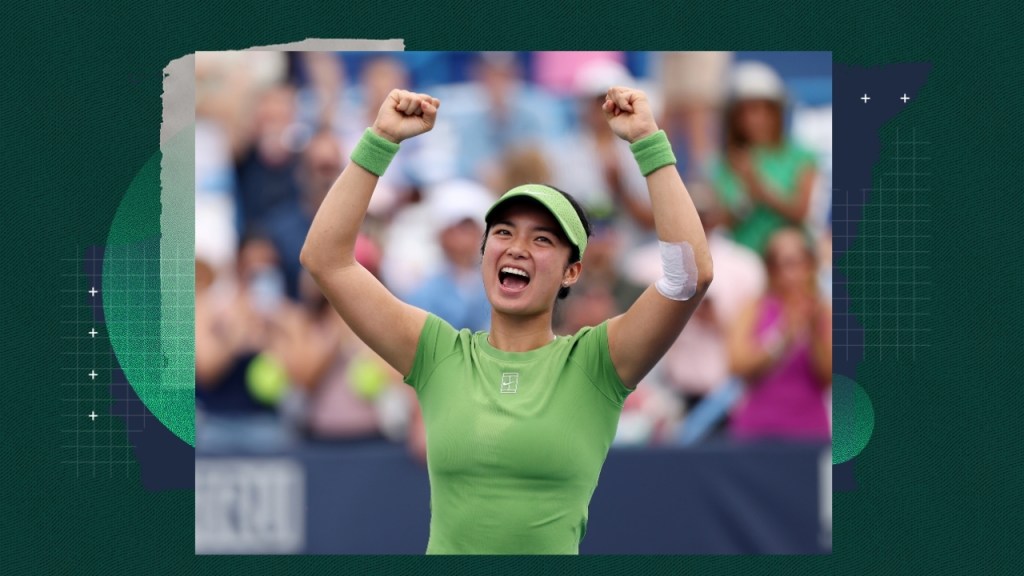
Alex Eala’s semifinal triumph over four-time Grand Slam champion Naomi Osaka at the Mubadala DC Open transcends the narrative of a simple tactical upset. It represents a structural realignment within the WTA, marking the transition of the 21-year-old Filipina from a high-potential prospect to a top-tier contender with significant commercial leverage. The 6-4, 6-2 scoreline validates recent technical refinements, particularly in service velocity and baseline neutrality, which effectively neutralized Osaka’s aggressive return game.
Technical Evolution and Ranking Logistics
Eala’s ascent to a career-high ranking of No. 24 is a transformative milestone for her competitive trajectory. This elevation ensures direct entry into Grand Slam main draws and secures seeded status, providing a critical buffer against high-ranking opponents in early tournament rounds. Her performance this week—highlighted by victories over Elina Svitolina and Leylah Fernandez—demonstrates a newly found physical durability, a prerequisite for sustained success in the high-density environment of WTA 500 events.
Market Expansion and the Filipino Demographic
The institutional impact of the “Eala wave” is a primary focus for tournament organizers. DC Open chairman Mark Ein’s strategic recruitment of Eala capitalized on a unique intersection of athletic excellence and demographic loyalty. The Filipino diaspora has emerged as a scalable commercial asset, driving ticket sales and broadcast engagement in markets that have historically been underrepresented in the WTA’s primary revenue streams. This cross-cultural appeal positions Eala as a versatile brand ambassador for multinational sponsors looking to penetrate the Southeast Asian market.
Competitive Implications for the Veteran Guard
For Naomi Osaka, the defeat serves as a diagnostic indicator of the challenges inherent in the current tour hierarchy. While Osaka remains a massive media draw, Eala’s efficiency highlights the difficulty veteran champions face against a younger generation defined by high mobility and psychological resilience. The match serves as a case study in momentum: Eala’s six top-10 wins this season suggest that current performance metrics are now more predictive of success than historical accolades.
Strategic Outlook: The Pegula Final
The upcoming championship match against world No. 3 Jessica Pegula offers a baseline for measuring Eala’s growth since their three-set encounter in Miami. Success in the final will depend on Eala’s ability to disrupt Pegula’s renowned rhythm and flat ball-striking. Regardless of the final outcome, Eala has solidified her status as an elite actor in the WTA ecosystem, shifting the sport’s focus toward a more globalized, demographic-driven future.