Florida Accelerates Executions Amid National Decline, Drawing Scrutiny
Florida recently executed two individuals in a single day, a procedural rarity not seen in nearly a decade across the United States. This action included the execution of an 80-year-old man, marking him as the second-oldest inmate to receive lethal injection in modern U.S. history.
The state’s accelerated pace under Republican Governor Ron DeSantis positions Florida as a significant outlier in the national landscape of capital punishment. While the use of the death penalty has generally declined over the past two decades nationwide, Florida’s increased activity has demonstrably contributed to a recent uptick in state executions.
Governor DeSantis, exercising his authority under Florida law to set execution dates, made the strategic decision to carry out both executions on the same day. This move reflects a stated commitment to addressing what he described as excessive delays in delivering justice for victims’ families, signaling a policy emphasis on finality in capital cases.
Strategic Implications of Florida’s Execution Pace
The operational decision to conduct two executions within hours of each other, reminiscent of Arkansas’s 2017 schedule, highlights a deliberate shift in Florida’s approach to capital punishment. This accelerated timeline carries significant implications for the state’s correctional infrastructure and its judicial system’s capacity for final review.
Florida’s contribution to the national execution count has become disproportionate, accounting for nearly half of all state executions across the country since 2025 began. This concentration of activity in one jurisdiction suggests a distinct strategic imperative, potentially aimed at projecting a strong stance on law and order.
The governor’s public statements regarding the need for timely justice serve to frame these actions within a broader political and social narrative. This approach aims to align executive policy with public sentiment regarding criminal justice outcomes, particularly in high-profile capital cases.
The Operational and Institutional Context of Capital Punishment
The execution process itself, involving a three-drug injection protocol, underscores the complex operational logistics managed by state correctional facilities. The finality of these procedures places immense pressure on institutional oversight and adherence to established legal and medical protocols.
The national trend of declining death penalty use reflects evolving legal interpretations, public opinion shifts, and challenges in securing lethal injection drugs. Florida’s counter-trend therefore represents a significant institutional divergence, potentially influencing legislative and judicial debates in other states.
The decision to execute an octogenarian, Dominick Anthony Occhicone, at 80 years old, raises specific considerations regarding the long-term incarceration of death row inmates. This case highlights the extended timelines often involved in capital appeals and the demographic shifts within the death row population.
Post-Execution Revelation Links Executed Man to Cold Case
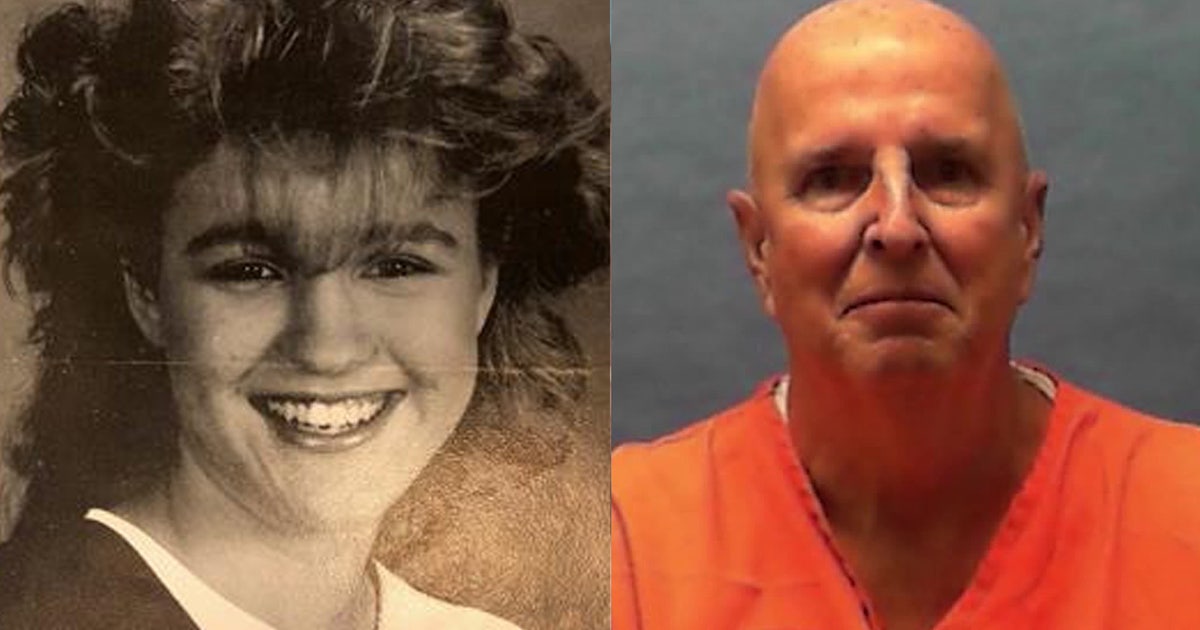
In a development following the executions, Polk County Sheriff Grady Judd announced a significant breakthrough in a 1987 cold case, linking executed former police officer James Duckett to the abduction, rape, and murder of 14-year-old Jeanifer Weldon. This announcement came days after Duckett’s execution for a separate 1987 crime involving 11-year-old Tereasa McAbee in Lake County.
The timing of Sheriff Judd’s press conference, occurring after Duckett’s execution, introduces a complex dynamic into the narrative of justice and closure. It presents a scenario where a long-unresolved case finds its alleged perpetrator identified only after the ultimate legal sanction has been applied for a different offense.
This post-execution revelation carries unique implications for the judicial process, particularly concerning the concept of finality. While Duckett faced capital punishment for one crime, the subsequent public linkage to another cold case, without the possibility of further legal proceedings against him, shapes the understanding of accountability.
Circumstantial Evidence and the Pursuit of Cold Case Resolution
Sheriff Judd detailed the circumstantial evidence that investigators had accumulated over decades linking Duckett to Weldon’s murder. This included Duckett’s proximity to where Weldon’s body was found and his workplace, along with statements from Duckett’s wife regarding scratches on his back and a stuffed animal he brought home, believed to be Weldon’s.
Despite the “tens of thousands of hours” spent on the investigation, Judd conceded that no direct evidence definitively pointed to Duckett, yet no other perpetrator was ever identified. This highlights the inherent challenges in resolving cold cases, often relying on the meticulous aggregation of indirect evidence and witness testimony over extended periods.
The public presentation of such evidence, particularly in a post-execution context, serves multiple institutional purposes. It provides a measure of closure for the victim’s family and reinforces the commitment of law enforcement agencies to unresolved cases, even when the traditional legal avenues for prosecution are exhausted.
Stakeholder Implications in Post-Execution Cold Case Links
For the family of Jeanifer Weldon, Sheriff Judd’s announcement offers a form of resolution, albeit one delivered under unusual circumstances. The public identification of an alleged perpetrator, even posthumously, can be a critical component in the long and often painful process of grieving and seeking justice for victims.
From a law enforcement perspective, the resolution of a decades-old cold case, even through post-execution linkage, enhances the operational credibility of investigative units. It demonstrates persistence and the long-term commitment to victim advocacy, potentially leveraging advancements in forensic techniques or renewed witness cooperation.
The broader public discourse surrounding capital punishment is also influenced by such events. The revelation of an additional alleged crime after an execution can intensify debates about the scope of justice, the finality of sentences, and the ongoing efforts to ensure comprehensive accountability within the criminal justice system.
Strategic Communication and Public Trust in Law Enforcement
Sheriff Judd’s press conference, complete with an age-progression photo of Jeanifer Weldon, represents a deliberate strategy in public communication. This approach aims to humanize the victim and underscore the profound impact of violent crime, reinforcing the emotional dimension of the pursuit of justice.
The narrative articulated by Judd, emphasizing Weldon’s lost life opportunities, serves to connect the abstract concept of a cold case resolution with tangible human loss. This strategic framing is crucial for maintaining public engagement and support for law enforcement efforts in complex and long-standing investigations.
Such announcements, while providing closure, also implicitly navigate the delicate balance of public trust. Law enforcement agencies must meticulously present evidence and acknowledge limitations, especially when linking an executed individual to additional crimes without the possibility of further judicial review or conviction for those specific offenses.
The Interplay of Executive Authority and Judicial Finality
Governor DeSantis’s exercise of executive authority in accelerating executions underscores the significant power vested in state governors regarding capital punishment. This authority directly influences the operational pace of the death penalty system and its impact on the judicial calendar.
The finality of an execution, as demonstrated by the cases of Occhicone and Duckett, brings an absolute conclusion to legal proceedings for the condemned. However, the subsequent linking of Duckett to an additional cold case highlights a complex interplay between judicial finality and ongoing investigative efforts.
This scenario prompts consideration of how the justice system grapples with new information or investigative breakthroughs that emerge after an execution. While the legal process for the executed individual concludes, the societal and familial quest for comprehensive understanding and accountability may continue.
Systemic Implications for Capital Punishment and Cold Case Investigations
The events in Florida illustrate the multifaceted challenges inherent in a capital punishment system that operates alongside ongoing cold case investigations. The potential for new information to emerge post-execution necessitates robust institutional frameworks for handling such revelations.
These developments contribute to the ongoing national dialogue regarding the efficacy and ethical considerations of the death penalty. They underscore the irreversible nature of capital punishment and the continuous evolution of investigative techniques that can yield new insights into historical crimes.
Ultimately, the Florida executions and the subsequent cold case linkage highlight the enduring complexities at the intersection of criminal justice, executive policy, and the relentless pursuit of truth in long-unresolved cases. The narrative reinforces the institutional commitment to victims, even as it navigates the absolute finality of the state’s ultimate sanction.