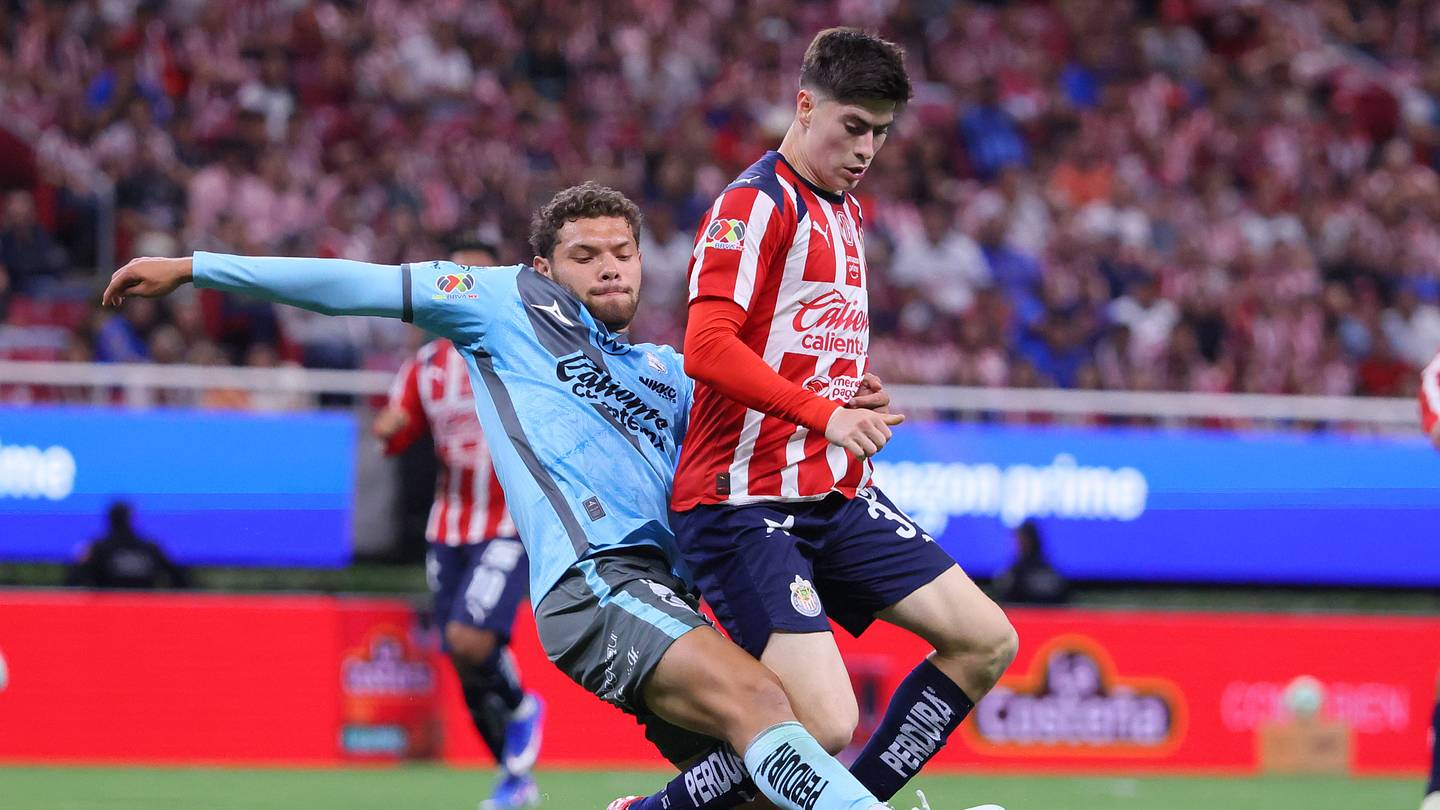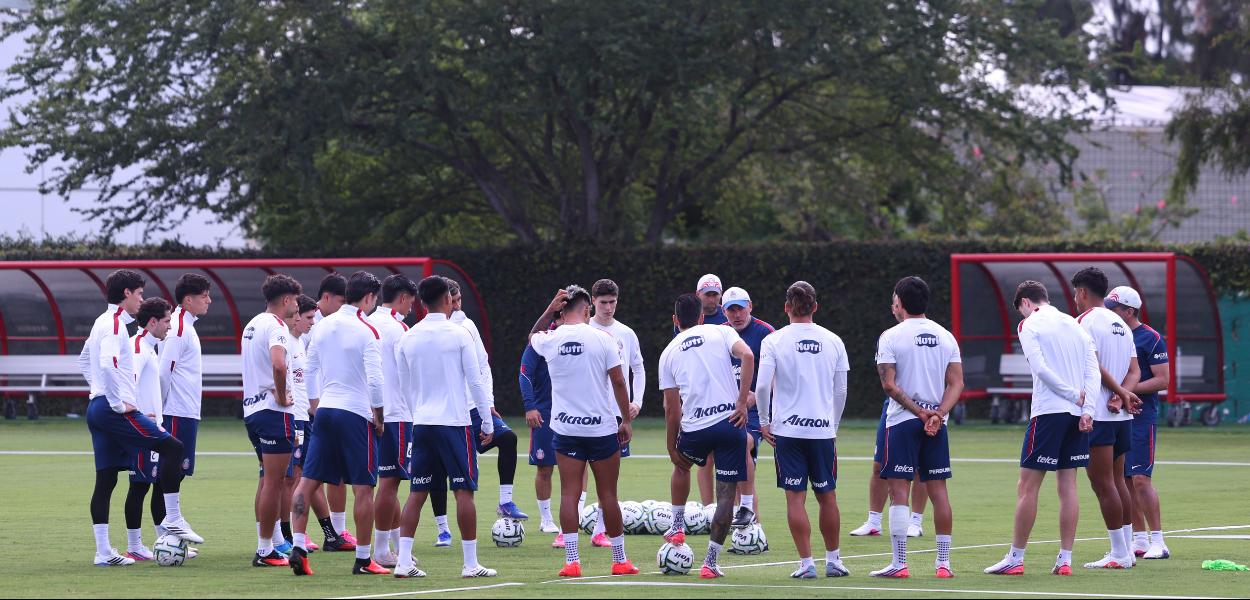
The Matchday 3 encounter between Club Deportivo Guadalajara and Puebla in the Apertura 2026 functions as a primary indicator of the financial and competitive stratification within Liga MX. This fixture at Estadio Cuauhtémoc highlights a profound institutional asymmetry: a confrontation between the league’s highest market capitalization and a club operating on a model of resource scarcity. This disparity transforms tactical expectations into a mandate for operational ROI for the visiting side.
Institutional Valuation and Market Positioning
Data from Transfermarkt confirms Guadalajara enters the semester as the most valuable squad in Mexican football. For technical director Gabriel Milito, this financial dominance necessitates a high-performance output to justify the massive capital allocation toward domestic talent. Conversely, Puebla’s ranking (16th of 18) forces a reliance on high-efficiency tactical execution to disrupt the established hierarchy. For Chivas, assets like Luis Romo and Roberto Alvarado represent significant investments that require consistent conversion into league points to maintain institutional stability.
Tactical Reintegration and Squad Management
Milito’s 21-player traveling squad reflects a calculated rotation strategy ahead of the Leagues Cup hiatus. The return of Ángel Sepúlveda from disciplinary suspension is the most significant tactical pivot, providing a centralized offensive reference that was absent in recent configurations. This allows for a more diversified attacking front, moving away from the static offensive patterns seen in early matches. The inclusion of versatile midfielders like Jordan Carrillo and Omar Govea suggests a strategic intent to dominate the technical retention phase and control the match tempo against a low-block defensive structure.
Historical Precedents and Psychological Benchmarks
Historical performance metrics favor Guadalajara, with six victories in their last ten meetings. The most relevant data point remains the 5-0 victory in the Clausura 2026, a match defined by systemic defensive collapses from Puebla and offensive clinicalism from Chivas. For Puebla, this fixture is an exercise in structural damage control; for Guadalajara, it is a blueprint for the offensive efficiency Milito seeks to standardize. Avoiding institutional complacency following such a dominant historical result remains a key psychological challenge for the Chivas coaching staff.
Leagues Cup Pivot and Momentum Dynamics
As the final domestic fixture before the international break, this match serves as a barometer for mid-season readiness. Following a volatile start—a 2-0 loss to Toluca and a marginal 1-0 win over FC Juárez—Chivas requires a convincing performance to stabilize internal critiques. The operational objective is to secure three points to climb the table while managing the physical load of the defensive core, including José Castillo and Diego Campillo, before entering the high-intensity format of the Leagues Cup.
Commercial Stakes and Stakeholder Impacts
The ‘República Rojiblanca’ presence at Estadio Cuauhtémoc ensures a peak revenue event for Puebla, though it effectively nullifies traditional home-field advantage. For Liga MX stakeholders, the performance of Chivas—the league’s most valuable commercial brand—is a critical driver of viewership metrics and sponsorship valuation. A dominant performance validates the club’s aggressive recruitment strategy, whereas a failure to convert market value into a result against a lower-tier opponent would intensify scrutiny on the current sporting project.