Orioles-Phillies Series: A Trade Deadline Crucible
The upcoming series between the Baltimore Orioles and the Philadelphia Phillies serves as a vital final evaluation for the Orioles’ front office leading up to the trade deadline. The outcomes of these matchups are poised to dictate the club’s strategic direction, particularly concerning potential roster acquisitions or divestitures aimed at bolstering their Wild Card contention.
For the Orioles, this series transcends a standard regular-season contest; it acts as a direct barometer of their immediate competitive standing and a critical input for General Manager Mike Elias’s decision-making calculus. Performance against a National League playoff contender will inform whether the team pursues an aggressive strategy to enhance its roster or adopts a more conservative approach, potentially signaling a shift in short-term objectives.
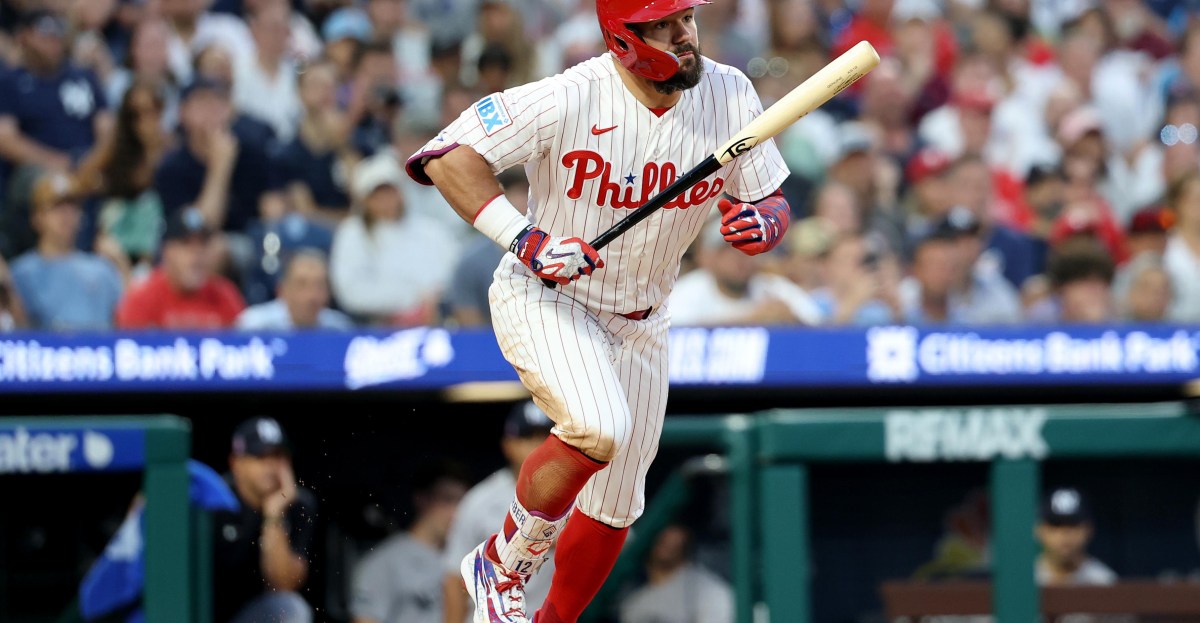
The Philadelphia Phillies present a complex opponent. Despite a challenging 9-19 start and a managerial change with Don Mattingly at the helm, they have demonstrated resilience, currently holding second place in the NL East with a 57-52 record. However, their recent form, including being swept by the Miami Marlins (who themselves had a 12-game losing streak prior), contrasts sharply with their season-long performance and consistent playoff appearances over the last four years. This duality creates an unpredictable dynamic.
Philadelphia’s recent 2-8 record in their last 10 games suggests a vulnerability that Baltimore may seek to exploit. Nevertheless, their established success and well-rounded roster, featuring potent offense and pitching, mean they cannot be underestimated. This inconsistency adds a layer of strategic uncertainty for the Orioles, requiring preparation for both a potentially struggling opponent and a team capable of asserting dominance.
The Orioles’ precarious position on the Wild Card bubble underscores the urgency of this series. Their ability to secure wins against the Phillies will directly impact their standing and the perceived value of their current roster. A strong performance could embolden Elias to pursue significant upgrades, while a disappointing showing might lead to a recalibration of expectations, shifting focus to future development or more modest roster adjustments.
Strategically, the implications extend to the Orioles’ capital allocation and competitive positioning within the American League. Demonstrating a clear path to the postseason through strong play in this series would justify increased investment in player acquisition. Conversely, a faltering performance could lead to a more cautious financial approach, prioritizing long-term asset management over immediate, potentially costly, roster enhancements.
The Phillies’ recent struggles, including a sweep by a Marlins team on a significant losing streak, highlight a concerning trend of inconsistency. This suggests potential underlying issues in execution or strategy, which the Orioles’ analytics department will scrutinize. Understanding the root cause of this downturn—be it pitching meltdowns, offensive droughts, or defensive lapses—is crucial for Baltimore’s game planning.
Don Mattingly’s managerial impact on the Phillies, marked by an initial turnaround after a dismal start, indicates a capacity for strategic adjustments. However, the subsequent slump raises questions about the sustainability of these improvements and the team’s ability to overcome adversity, a factor the Orioles will consider in their tactical approach.
The statistical data, including game-by-game results categorized by ‘After Win’ and ‘After Loss,’ provides granular insights into the Phillies’ performance patterns and their ability to maintain momentum or recover from setbacks. This data allows for inferences regarding their situational strengths, which the Orioles’ coaching staff will leverage.
Further segmentation of game data by win/loss context offers additional detail on Phillies’ performance metrics. Variations in these records suggest effectiveness can be influenced by game situation and opponent quality, providing critical data for Orioles’ scouting and strategic preparation.
The inclusion of past interleague game data, such as matchups involving the Boston Red Sox and Los Angeles Dodgers, offers broader context. Win/loss records, moneyline (ML) odds, over/under (O/U) totals, and starting pitcher data (IP) help frame betting market dynamics and pitching utilization strategies in a competitive environment.
Pitching matchups, featuring hurlers like W. Buehler, D. May, G. Crochet, C. Kershaw, B. Bello, E. Sheehan, J. Paxton, J. Wrobleski, G. Stone, N. Pivetta, K. Crawford, T. Houck, J. Urias, and C. Ferguson, underscore the strategic importance of starting pitching. Innings pitched (IP) serve as a proxy for starter effectiveness and workload management, influencing bullpen usage and overall team strategy.
Betting market data, including ML odds and O/U totals for the Red Sox-Dodgers series, reflects perceived team strengths and weaknesses. These figures, derived from sophisticated analytical models, offer external validation of team competitiveness and potential game flow.
Historical context of matchups, extending back to August 2023, allows for analysis of evolving team performance and strategic adjustments. Consistent pitcher presence and fluctuating odds suggest a dynamic competitive landscape where teams continuously adapt.
The Phillies’ recent struggles, particularly being swept by a team on a significant losing streak, present a case study in team momentum and psychological resilience. This outcome suggests even strong teams can experience sharp downturns due to fatigue, strategic missteps, or pressure execution failures.
For the Orioles, capitalizing on such downturns is a key strategic consideration, requiring identification of opponent weaknesses alongside maintaining their own operational discipline. Consistent high-level performance, regardless of opponent form, is a hallmark of successful playoff contenders.
Financial implications of the trade deadline are substantial. Perceived contender status could lead the Orioles to spend capital on high-impact players, potentially involving prospect trades (with future opportunity costs) or absorbing significant salary commitments, impacting long-term financial flexibility.
The competitive landscape of the AL Wild Card race is expected to be intense. The Orioles’ performance against the Phillies, a National League contender, will also be viewed through the lens of their overall strength of schedule and ability to secure wins against non-divisional rivals.
Strategic decision-making for Elias and the Orioles’ front office involves a delicate balance between immediate improvement needs and the organization’s long-term health. The Phillies series outcome will provide critical data points for this complex equation, influencing player acquisition, retention strategies, and the franchise’s overall direction.
The Phillies’ history of playoff appearances in recent seasons, despite current struggles, highlights a sustained organizational commitment to competitiveness. This suggests a core talent and strategic framework capable of postseason success when executed effectively, a strength the Orioles must acknowledge.
The operational dynamics of baseball teams are often revealed in their adaptability to adversity. The Phillies’ initial turnaround under Mattingly demonstrated this capacity, but their subsequent slide raises questions about the robustness of those adjustments, with the Orioles seeking signs of systemic weaknesses.
The market for potential trade acquisitions will be influenced by the Orioles’ performance and perceived needs. Emerging as clear buyers could drive up prices for available talent, while a more subdued approach might signal a different market strategy.
The analytics presented, even in raw form, reflect modern baseball’s data-driven nature. Parsing performance trends, identifying situational strengths, and predicting outcomes rely heavily on meticulous data collection and analysis. Orioles’ success hinges on translating these insights into actionable strategies on the field and in negotiations.
Strategic leverage gained or lost in this series extends to player morale and organizational confidence. Strong performances can galvanize the team and fanbase, while losses could sow doubt and impact psychological readiness for the latter half of the season and potential playoffs.
The Phillies’ status as an NL East playoff contender, despite recent struggles, makes them unlikely sellers unless their slide intensifies. This series tests the Orioles’ ability to perform against a team aiming for postseason success, even with inconsistent current form.
The financial commitment for top-tier trade deadline talent is substantial. The Orioles’ willingness to invest will reflect their confidence in their team’s potential, heavily influenced by this series’ results.
Strategic decisions on acquiring specific players are often informed by a deep understanding of a team’s existing strengths and weaknesses. The Orioles’ performance against the Phillies will clarify vulnerabilities, guiding their acquisition strategy toward impactful upgrades.
Competitive balance in MLB means critical series like this can alter a team’s trajectory. The Orioles’ navigation of this high-stakes matchup will be a defining moment in their pursuit of postseason baseball.
The Phillies’ recent performance data (2-8 in last 10, swept by a Marlins team on a 12-game skid) indicates a significant dip, suggesting potential issues with player performance, strategic execution, or both, creating an opportunity for the Orioles.
The strategic implications for the Orioles are profound. A strong showing could solidify their Wild Card contender status, justifying aggressive deadline moves. Conversely, a poor performance might necessitate a more conservative approach, signaling a re-evaluation of short-term goals and a focus on internal development.
The Orioles’ financial leverage will be tied to their perceived competitiveness. Demonstrating a clear playoff path may lead to greater willingness to absorb salary or trade prospects for immediate impact, influencing market dynamics.
Operational execution will be under scrutiny. The Orioles’ ability to capitalize on identified weaknesses in the Phillies’ recent performance will be key to determining the series outcome and strategic impact.
The AL Wild Card race context makes this series vital. Securing wins against a fellow contender like the Phillies is crucial for improving their standing and playoff probabilities.
The Orioles’ front office decision-making will be heavily influenced by this series’ outcome, dictating strategies of aggressive acquisition, cautious augmentation, or internal development focus.
The trade deadline acquisition market is sensitive to the needs and financial capacity of contending teams. Orioles’ activity as clear buyers could influence player pricing; a subdued approach signals a different market strategy.
The Phillies’ operational efficiency and strategic adaptability will be tested. Their ability to overcome recent setbacks against a motivated Orioles team will reveal the true resilience of their roster and management.
Baseball’s competitive balance necessitates constant evaluation. This series provides a critical data point for the Orioles to assess their standing and make informed decisions shaping their competitive trajectory.
Strategic implications for the Phillies are significant. While their overall record suggests success, recent performance indicates vulnerabilities that the Orioles will test.
Financial considerations extend beyond immediate acquisitions; series performance can influence future player valuations and long-term financial planning.
The operational framework of both organizations will be displayed. The Orioles’ consistent execution, coupled with the Phillies’ capacity to overcome their slump, will be key determinants of the series outcome and its strategic implications.
Baseball’s competitive balance means key series dramatically alter fortunes. This Orioles-Phillies matchup is an inflection point where strategic decisions will have tangible consequences for playoff aspirations and organizational direction.