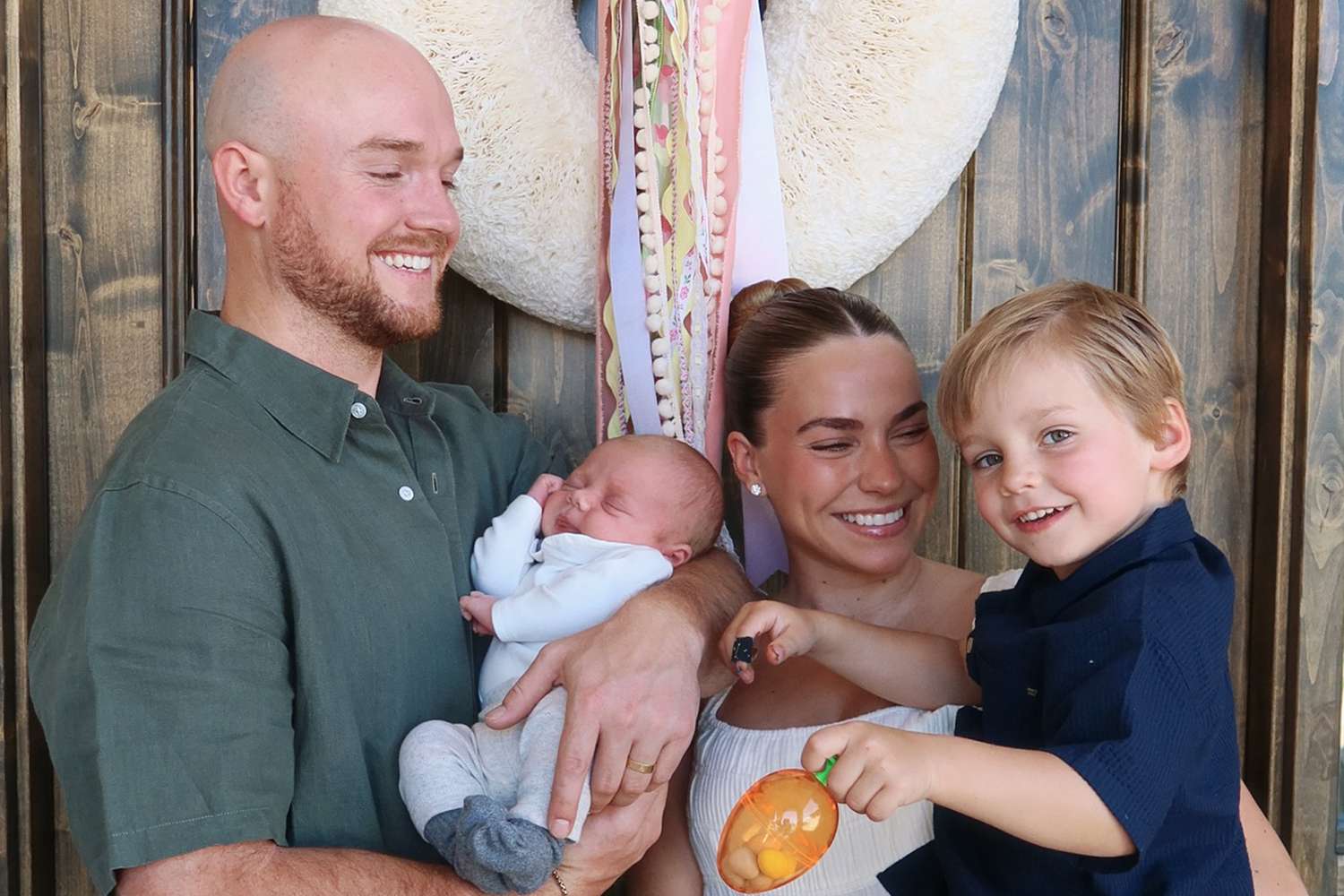
Public scrutiny surrounding digital creators frequently intersects with past personal tragedies, intensifying reputational challenges across media ecosystems. The dissemination of video footage featuring influencer Emilie Kiser, her husband Brady Kiser, and their 16-month-old son Teddy on a European boating trip highlights the operational vulnerabilities digital personalities face when private moments enter the public sphere. Fellow influencer Madi Curtis initially shared the since-deleted video, which quickly drew critical commentary regarding child safety compliance.
The public response centered on the toddler’s lack of a life jacket during portions of the excursion, an omission that magnified existing sensitivities. These reactions are linked to a severe family tragedy in May 2025, when the Kisers’ three-year-old son, Trigg, died in a backyard pool drowning incident. This event underscores how historical trauma heavily influences public audience reactions to contemporary safety lapses.
Public Reactions and Creator Oversight
Digital content creation operates in an ecosystem where audience engagement often translates into a sense of communal ownership over creators’ parenting choices. When safety protocols are breached, public reaction frequently evolves into emotional expressions of anger, directly activating unresolved grief tied to the family’s prior loss. This dynamic illustrates the heightened liability modern influencers carry, where current oversights are contextualized by past family tragedies.
The rapid dissemination of digital media ensures that brief visual moments undergo rigorous examination. In this instance, footage captured by a third party demonstrated the vulnerability of public figures to external documentation, serving as a case study in modern media management where minor operational lapses escalate into major reputational events.
The Direct Response and Acknowledgment of Risk
Responding to the backlash, Emilie Kiser released a statement via Instagram Stories acknowledging that her son should have worn a life jacket for the entirety of the excursion. The statement emphasized an awareness that life-altering circumstances materialize rapidly, conceding that the family should have exercised better judgment. By addressing the failure without defensive posturing, the response aimed to stabilize the narrative surrounding child safety.
Furthermore, the communication recognized that public anger stems largely from collective grief surrounding their late son, Trigg. As Kiser navigates this period while expecting her third child with Brady, the incident underscores the relentless scrutiny accompanying prominent digital careers during personal vulnerability.
Broader Implications for the Influencer Economy
The convergence of personal grief, third-party content sharing, and public safety oversight highlights structural vulnerabilities within the contemporary creator economy. Influencers increasingly find their lives documented by peers, complicating traditional boundaries of content curation and magnifying risk exposure across entire networks. The episode illustrates that personal reputation remains continuously at risk from unscripted moments captured outside primary editorial controls.
Ultimately, the public reaction reflects shifting societal expectations regarding visible compliance with safety standards among public figures. Audiences hold creators to stringent accountability standards, particularly regarding child welfare, reinforcing that transparency and immediate accountability are essential for mitigating reputational damage.