
Senate Succession and Diplomatic Protocol: A Dual Challenge
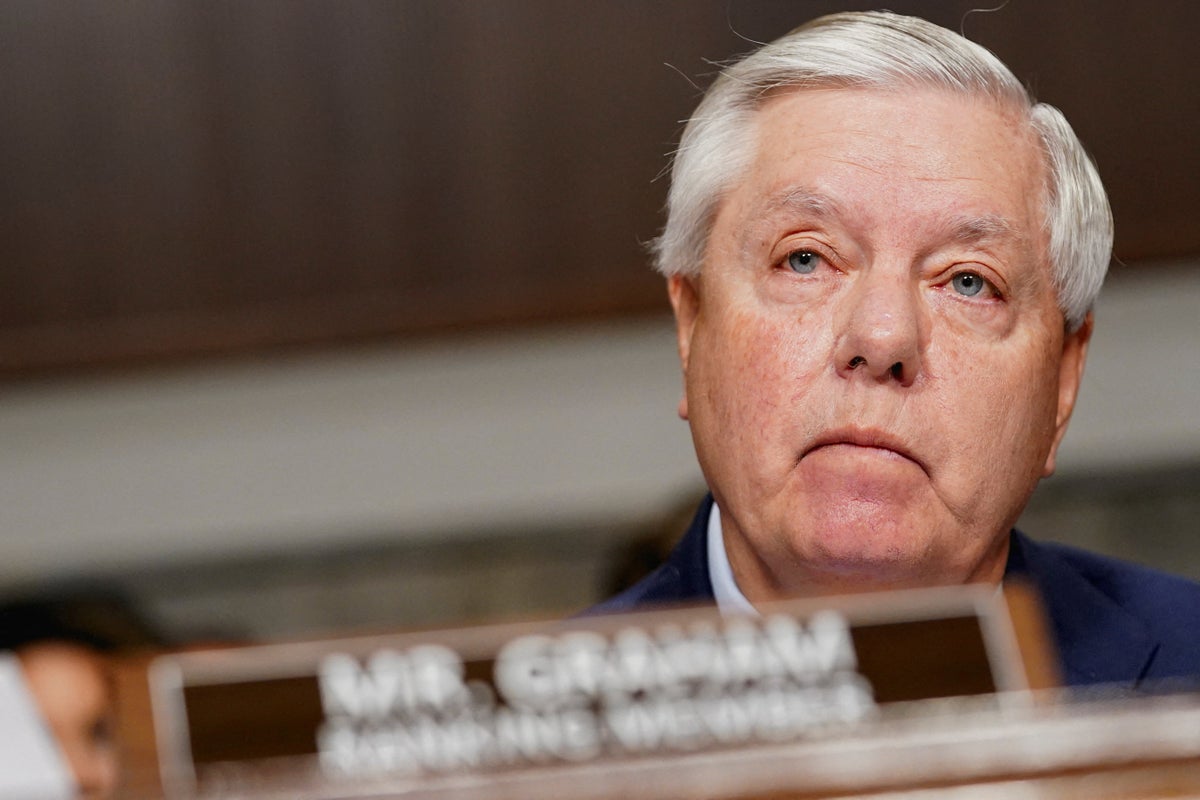
The recent passing of Senator Lindsey Graham on July 11, attributed to an aortic tear, presents a dual challenge: managing intricate memorial logistics and navigating the ensuing political succession. Senator Tim Scott’s remarks at the National Republican Senatorial Committee on July 15 underscored the administrative strain caused by numerous international dignitaries seeking to attend services. Coordinating memorial events across Washington, D.C., and South Carolina within a compressed timeframe demands sophisticated synchronization of diplomatic security, congressional leadership, and venue logistics.
The convergence of global leaders at venues like the National Cathedral reflects Graham’s significant diplomatic standing and relationships cultivated throughout his career. His role as a liaison between traditional legislative factions and the populist wing of the Republican Party necessitated extensive international engagement, now translating into a complex security and scheduling operation. The operational scale required for hosting foreign heads of state underscores the institutional impact of his legacy on U.S. foreign policy networks.
Navigating the South Carolina Republican Primary
Senator Graham’s vacated seat immediately triggers strategic calculations among prospective Republican candidates in South Carolina. The primary battlefield is shaped by the imperative for statewide appeal and, crucially, alignment with presidential politics. Graham’s own career trajectory illustrated how maintaining favor with President Donald Trump served as a powerful asset for both legislative progress and defense against primary challenges.
Consequently, candidates are prioritizing demonstrated loyalty and proximity to the former president, shifting the competitive focus from traditional fundraising and institutional networks to securing executive endorsement. This dynamic transforms the primary into a litmus test for the enduring influence of presidential backing within the Southern Republican electorate.
Emergence of Contenders and Early Campaign Strategies
Representative Russell Fry has quickly positioned himself as a front-runner, leveraging established connections within the pro-Trump political sphere. His prior victory over Tom Rice, who voted for Trump’s second impeachment, demonstrated his ability to consolidate populist support with executive alignment. President Trump has publicly endorsed Fry, signaling a strategic advantage in the upcoming primary contest.
Fry’s proactive engagement with White House officials highlights a strategy to solidify institutional support early. This accelerated approach to securing endorsements is critical in unpredicted vacancies, where established national ties offer a significant advantage. Rivals without direct access to these influential circles face substantial hurdles in building comparable political capital within a condensed campaign period.
Implications for Legislative Priorities and Committee Influence
The transition in South Carolina’s Senate representation carries direct consequences for legislative continuity, particularly concerning committees where Graham held significant influence, such as defense and foreign policy oversight. The senator’s seat has historically been a key locus for defense authorization, intelligence, and judicial confirmation battles. The successor will inherit not only substantial committee assignments but also the responsibility of managing stakeholder expectations within the defense industry and military communities concentrated in the region.
Stakeholders across defense and legislative sectors are closely monitoring the succession process for potential shifts in committee dynamics and policy advocacy. Graham served as a critical nexus between Senate institutional power and executive decision-making, leaving a strategic void. The effectiveness of his successor will hinge on their ability to forge similar cross-factional alliances without the benefit of decades of seniority.
Broader Institutional and Political Ramifications
The concurrent challenges of managing high-profile memorial logistics and an intense primary race exemplify the complexities of modern political transitions. Institutional actors, from federal security agencies to state-level campaign teams, must operate within overlapping and demanding timelines, testing governmental and party resilience. The logistical coordination for international delegations visiting multiple U.S. locations highlights the intricate protocols activated by the death of a senior legislator.
The unfolding events establish a precedent for managing unexpected Senate vacancies in a highly polarized political climate. The interplay of executive endorsement, media coverage, and institutional continuity will shape South Carolina’s representation and influence national political dynamics. These developments offer a clear indicator of power structures within the current legislative landscape, impacting various political and financial sectors.

Photo by WikimediaImages on Pixabay.