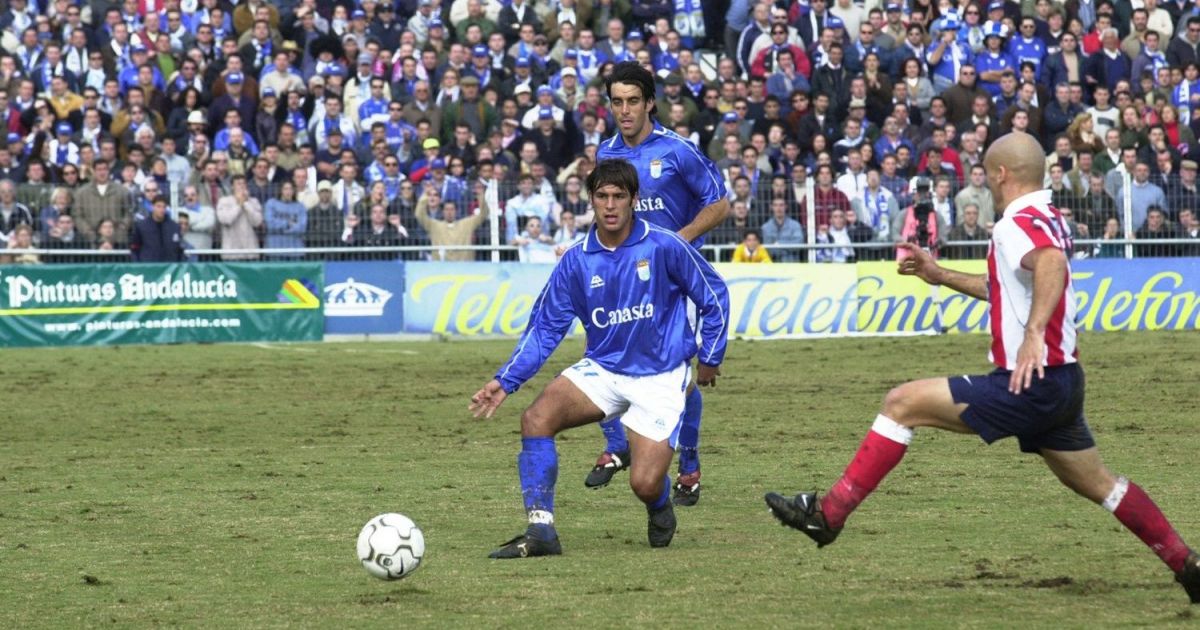
Former footballer Borja Ferrer Solavera has passed away at the age of 44 in Jerez de la Frontera, Cádiz, after a protracted illness. Ferrer, who played for clubs including Xerez CD during their historic promotion to the Second Division in 2002 and Real Madrid Castilla, succumbed to a condition that necessitated significant medical intervention, including head surgery two years prior.
Club Tributes Emphasize Resilience and Character
Xerez CD, where Ferrer began his career and achieved a key promotion, issued a formal statement acknowledging his passing. The club highlighted Ferrer as an “example of strength and overcoming” in his battle against illness, extending condolences to his family and friends. This sentiment underscores the human dimension of professional athletes, often overshadowed by performance metrics.
The club’s acknowledgment of his “long and hard fight” against his ailment points to the personal struggles athletes can face away from public view. Such tributes shift the narrative from purely athletic achievement to the individual’s character and fortitude, resonating with fan bases and the broader football community.
Career Trajectory and Institutional Significance
Ferrer’s career began in Xerez CD’s youth academy, leading to his first-team debut in the 2000-01 season. During his four seasons with the club, he played a valuable, albeit often secondary, role in their successful promotion to the Second Division in the 2001-02 campaign. This period represents a critical phase for Xerez CD, marking a return to professional football.
His loan spell at Real Madrid Castilla exposed him to a higher tier of development football, a common pathway for promising young players within major club structures. This experience provided valuable exposure and development opportunities within a globally recognized football institution.
Further moves saw Ferrer transfer to Deportiva Ponferradina in the winter of the 2003-2004 season, making 13 appearances and scoring one goal in Segunda B. His career continued with stints at Rayo Vallecano and its reserve team, before returning to Xerez’s B team in the 2006-2007 season. A subsequent move to Alcalá, where he played in two separate spells and concluded his career in 2011, illustrates a career path common among many professional footballers, characterized by movement between clubs and divisions.
The Human Cost of Professional Sport
Ferrer’s passing at the relatively young age of 44, attributed to a long illness, brings into sharp focus the physical and emotional toll professional sports can exact. The narrative of a “long and hard fight” against a “tough illness” highlights the vulnerability of individuals, even those who have demonstrated peak physical conditioning.
The emphasis on his “extraordinary human quality” by those who remember him suggests that his legacy extends beyond his statistical contributions on the pitch. This aspect is crucial for understanding the complete impact of athletes on their communities and the broader cultural fabric of sport, moving beyond performance data to personal character and relationships.
Broader Implications for Football Institutions and Fan Engagement
The widespread tributes from various clubs signify a collective acknowledgment of Ferrer’s contribution to Spanish football. These institutional responses are vital for maintaining club identity and fostering a sense of continuity and shared history among supporters, reinforcing the communal aspect of football.
For Xerez CD, Ferrer’s role in the 2001-02 promotion remains a significant point of reference, linking current generations of fans to past glories. This historical continuity is a key driver of fan loyalty and engagement.
The fact that Ferrer’s illness required significant surgical intervention, particularly in the head, points to the severe health challenges that can arise, even from conditions not directly related to on-field injuries. This underscores the importance of comprehensive health monitoring and support systems within professional sports organizations.
Strategic Context in Player Development and Support
Ferrer’s formative years at Xerez CD and subsequent spells at clubs like Real Madrid Castilla highlight the structured pathways within professional football for talent development. The movement between these entities—loan spells, transfers—reflects the financial and strategic considerations that govern player acquisition and development across different club tiers.
The financial implications of transfers, even for players who may not reach superstardom, are significant for clubs, influencing revenue streams and squad building strategies. For players, these moves represent opportunities for career advancement, though they also carry the risk of instability and adaptation challenges.
The narrative of Ferrer’s career, moving from a key role in a promotion-winning side to playing for reserve teams and then concluding his career in lower divisions, illustrates the competitive landscape of professional football. Success is not guaranteed, and players must navigate varying levels of opportunity and performance expectations.
The Enduring Impact of Human Stories in Sport
Borja Ferrer’s story, marked by athletic contributions and a courageous battle with illness, serves as a poignant reminder of the human element at the core of professional sports. While statistics and match results dominate headlines, the personal journeys, struggles, and triumphs of athletes resonate deeply with fans and shape the cultural significance of sport.
The emphasis on his character and resilience in the face of adversity offers a valuable perspective on the multifaceted nature of athletic careers. It highlights that the true value of a player often transcends their on-field statistics, encompassing their impact on team morale, community connection, and the inspiration they provide through personal fortitude.
The collective mourning and tributes from multiple clubs underscore the interconnectedness of the football ecosystem and the shared respect for individuals who have contributed to the sport. This shared sense of community reinforces the idea that football is more than just a game; it is a platform for human stories of dedication, struggle, and shared experience.
Ferrer’s passing at 44, following a prolonged illness that necessitated significant medical intervention, including head surgery two years prior, prompts reflection on the health trajectories of individuals who have subjected their bodies to the rigors of professional sport. This detail elevates the discussion beyond a general obituary to an acknowledgment of profound personal battles that can occur, often away from the public eye, long after a playing career has concluded.
The tributes from clubs like Xerez CD, Real Madrid Castilla, Ponferradina, and Rayo Vallecano represent institutional recognition of a shared past and the individuals who contributed to their historical narratives, forming part of their legacy management and fan engagement strategies.
The mention of Xerez CD’s “historic promotion to the Second Division in 2002” positions Ferrer as a participant in a significant club achievement, vital for understanding the value placed on players who were part of pivotal moments that define eras for clubs and their supporters.
Ferrer’s journey from Xerez CD’s youth ranks to Real Madrid Castilla and subsequent professional clubs illustrates the competitive dynamics and career progression within Spanish football. Each transfer represents a strategic decision driven by factors such as playing time, development opportunities, and financial considerations.
The description of his role at Xerez CD as “secondary, but very valuable” highlights the nuanced contributions players make to team success, where dedication and specific skills can be indispensable for collective goals like promotion.
His transfer to Ponferradina in the winter of the 2003-2004 season, playing 13 matches and scoring one goal in Segunda B, signifies his contribution to a team in the third tier of Spanish football, a crucial part of the professional football pyramid.
His subsequent return to Xerez’s B team and then a move to Alcalá, where he finished his career, illustrates the cyclical nature of player movement and career adjustments within the Spanish football league system.
The emphasis on his “extraordinary human quality” adds a layer of personal legacy that transcends athletic performance, speaking to the lasting impression individuals leave on their communities through character and relationships.
The narrative of Ferrer’s life, from his early days at Xerez to his battle with illness, highlights themes of ambition, dedication, resilience, and the inevitable challenges that life presents, regardless of public profile.
His debut at 18 years old for Xerez CD signifies the early commitment and talent required to enter professional football, shaping his life trajectory significantly.
The fact that his illness required a “delicate intervention surgery in the head” during the summer of 2024, followed by a “long recovery process,” emphasizes the severity of his condition and the prolonged nature of his fight.
The collective memory of his role in the promotion to Segunda División in 2001-02, still recalled by Xerez fans, demonstrates the lasting impact of key sporting achievements that become part of a club’s historical identity.
Playing in the Copa del Rey during his tenure at Xerez also broadens the scope of his experience, indicating participation in national cup competitions.
His career, alternating between Rayo Vallecano and its reserve team, then returning to Xerez’s B team before finishing at Alcalá, illustrates the cyclical nature of player movement and career adjustments.
Concluding his career at Alcalá after two separate spells suggests a period of stability, marking the end of a professional journey that spanned over a decade.
Borja Ferrer’s life story is one of dedication to football, marked by significant achievements and defined by a courageous personal struggle against illness. His passing serves as a somber reminder of the human stories within professional sports, highlighting resilience, character, and enduring impact beyond statistics.