Structural Shift in PlayStation Plus Tiers
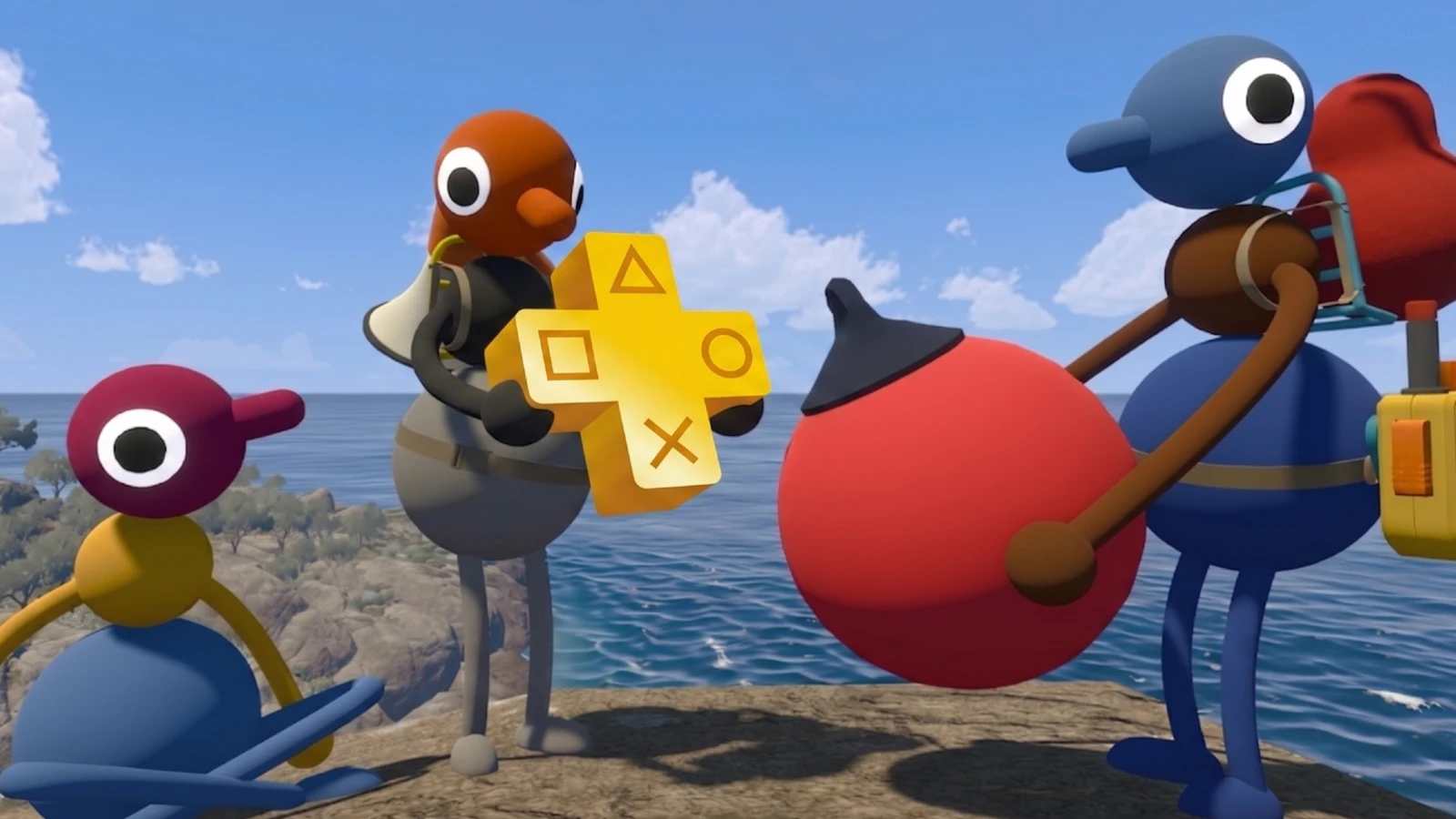
Sony Interactive Entertainment has confirmed a notable adjustment to its subscription service model by slating the cooperative multiplayer title Big Walk for a day-one release on the PlayStation Plus Essential tier on August 4, 2026. Traditionally, the entry-level tier has been reserved for older catalogue titles, established productions, or curated indie games that have already completed a standard commercial window. Day-one launches have historically served as a primary value driver for the higher-priced Extra and Premium tiers.
The integration of a brand-new release directly into the foundational tariff indicates a tactical adaptation to modern multiplayer ecosystem requirements. Cooperative titles reliant on synchronous online interaction face severe operational risks if their initial user acquisition fails to cross critical liquidity thresholds. By deploying the title directly to the baseline subscriber base, the platform operator establishes an immediate, high-volume player pool necessary to sustain functional matchmaking networks from launch day.
Operational Dynamics of Cooperative Multiplayer Software
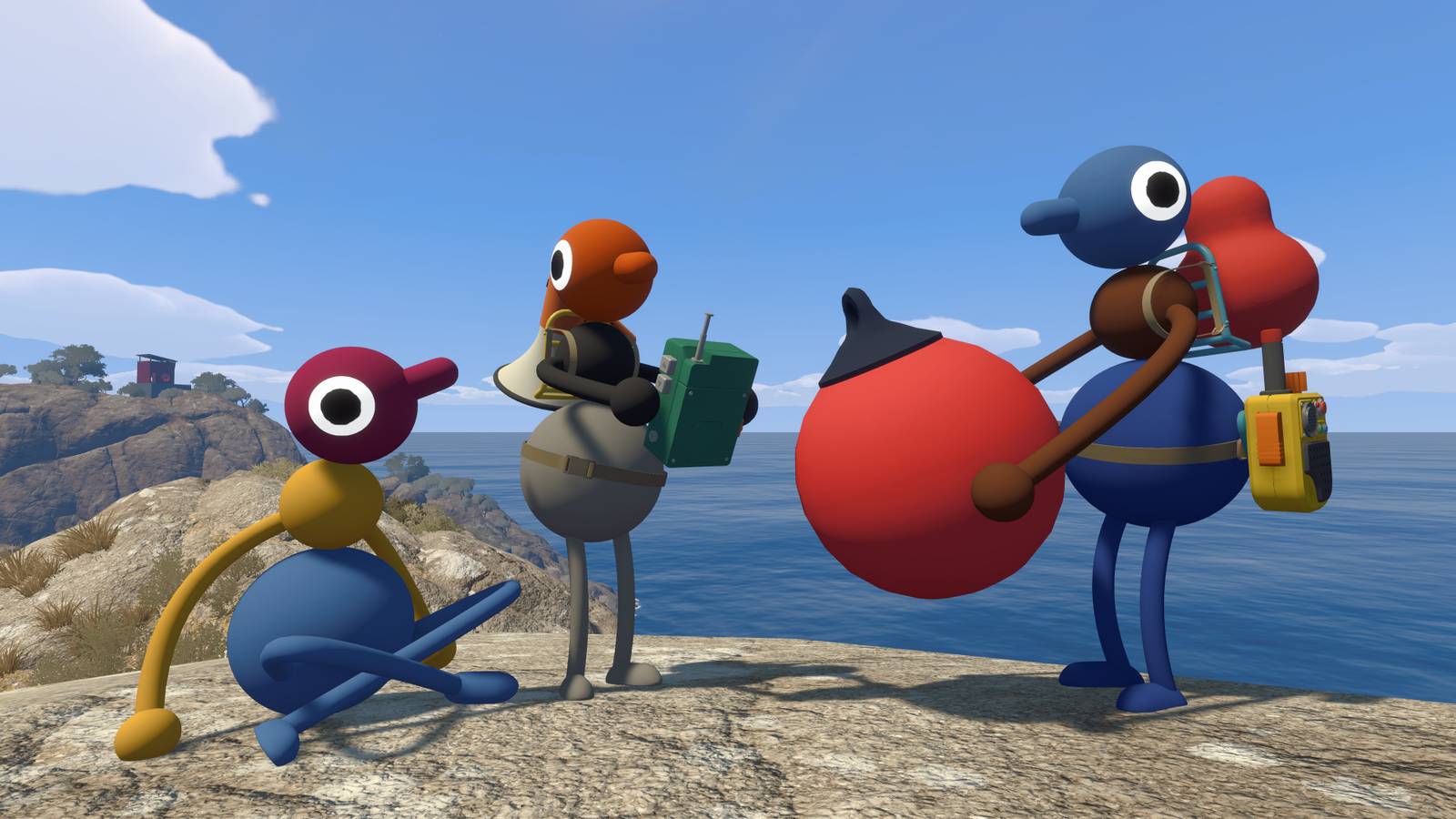
Developed by House House and published by Panic, Big Walk is explicitly designed around cooperative communication mechanics that require a stable and active participant base. The title functions as a long-form cooperative walker-talker where up to twelve players navigate an open world, solve environmental puzzles, and communicate through specialized tools. The viability of such mechanics is inextricably linked to concurrent user metrics, rendering traditional premium pricing models precarious for independent developers entering the multiplayer space.
Subscription infrastructure functions as an economic buffer for studios attempting innovative social mechanics. By absorbing upfront acquisition friction through platform-level distribution, Sony mitigates initial churn risk associated with niche cooperative titles. This distribution strategy aligns subscriber retention incentives with developer liquidity needs, ensuring network effects are established immediately upon release.
Market Positioning and Competitive Implications
Bypassing traditional tier separation for a prominent independent release reflects evolving competitive pressures within the subscription gaming sector. Positioning a highly anticipated multiplayer game on the entry-level tier elevates the comparative utility of the basic subscription without requiring immediate structural price adjustments across the broader service portfolio.
Securing immediate day-one engagement helps anchor subscriber loyalty across hardware cycles as digital storefronts compete for daily active users. While the Essential tier continues to function primarily as a curated monthly distribution channel, exceptions such as this demonstrate operational flexibility when specific titles demand concentrated network concurrency.
Institutional Context and Platform Strategy
The timing of the announcement underscores the calculated visibility platform operators assign to subscriber additions. Sony maintains a structured release cadence for its monthly offerings, typically disclosing full lineups shortly before they go live on the first Tuesday of the month. Deviating from this established communication pattern to highlight a specific day-one inclusion signals a deliberate attempt to shape consumer expectations.
For subscribers, the inclusion of a day-one title in the baseline tier alters the perceived cost-benefit ratio of maintaining a continuous subscription. The performance and reception of this deployment will inform future programming decisions regarding how platform operators allocate fresh software assets across distinct subscription tiers.