Institutional Integrity vs. Medical Privacy
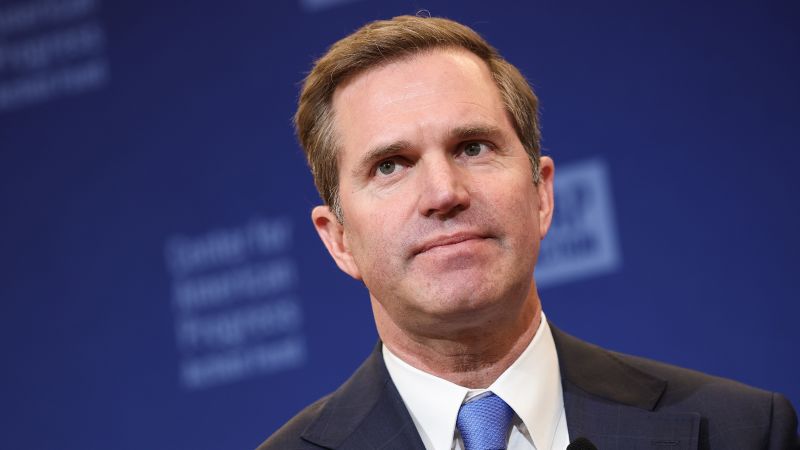
The formal demand for clinical transparency issued by Kentucky Governor Andy Beshear represents a significant escalation in the friction between executive oversight and legislative continuity. By framing Senator Mitch McConnell’s recovery as a matter of public institutional integrity rather than a private medical event, Beshear has highlighted a systemic vulnerability: the tension between an official’s right to privacy and a state’s mandate for active federal representation. This challenge shifts the discourse from a personal health narrative to a procedural evaluation of legislative capacity.
The Fancy Farm Metric: A Barometer of Political Vitality
Senator McConnell’s absence from the Fancy Farm picnic—an event he attended for 42 consecutive years—serves as a definitive indicator of physical and strategic displacement. Traditionally a theater for power projection and party consolidation, the Senator’s withdrawal suggests that the rigorous physical therapy mandated by his physicians is fundamentally at odds with the demands of public office. The reliance on written surrogacy and static imagery at such a pivotal regional forum undermines the psychological leverage typically exerted by senior leadership, signaling a breach in the traditional mechanics of political visibility.
Clinical Oversight and Information Asymmetry
While the U.S. Congress’ Office of the Attending Physician provides a veneer of institutional legitimacy, the transition from acute care to long-term rehabilitation introduces an information gap. Governor Beshear’s requisition specifically targets the ‘threshold of consciousness and cognition,’ suggesting that controlled media releases—such as staged photographs—may function as an obfuscation of the Senator’s actual functional status. This skepticism places the Senator’s staff in a precarious position as gatekeepers of truth; if they cannot provide a verifiable account of his ability to engage cognitively, the legitimacy of their delegated authority faces immediate scrutiny.
Systemic Risks and the Threshold of Incapacity
A 43-day public absence for a figure of McConnell’s stature creates a vacuum that extends beyond mere scheduling. The administrative risk lies in the potential for ‘shadow governance,’ where unelected staff perform the functions of a senior legislator under the guise of a recovering principal. By invoking the criteria of incapacity, Beshear is forcing a re-evaluation of the Senate’s resilience. The resolution of this crisis depends on whether McConnell can meet the clinical threshold for a return to active duty or if the sustained lack of transparency will necessitate a formal transition of power.