Structural Context of Atlante’s Liga MX Return
Atlante FC’s reintegration into Mexico’s top flight marks a significant institutional shift. Operating as the Potros de Hierro, the club re-enters Primera División carrying a legacy tied to the foundational architecture of the national league structure.
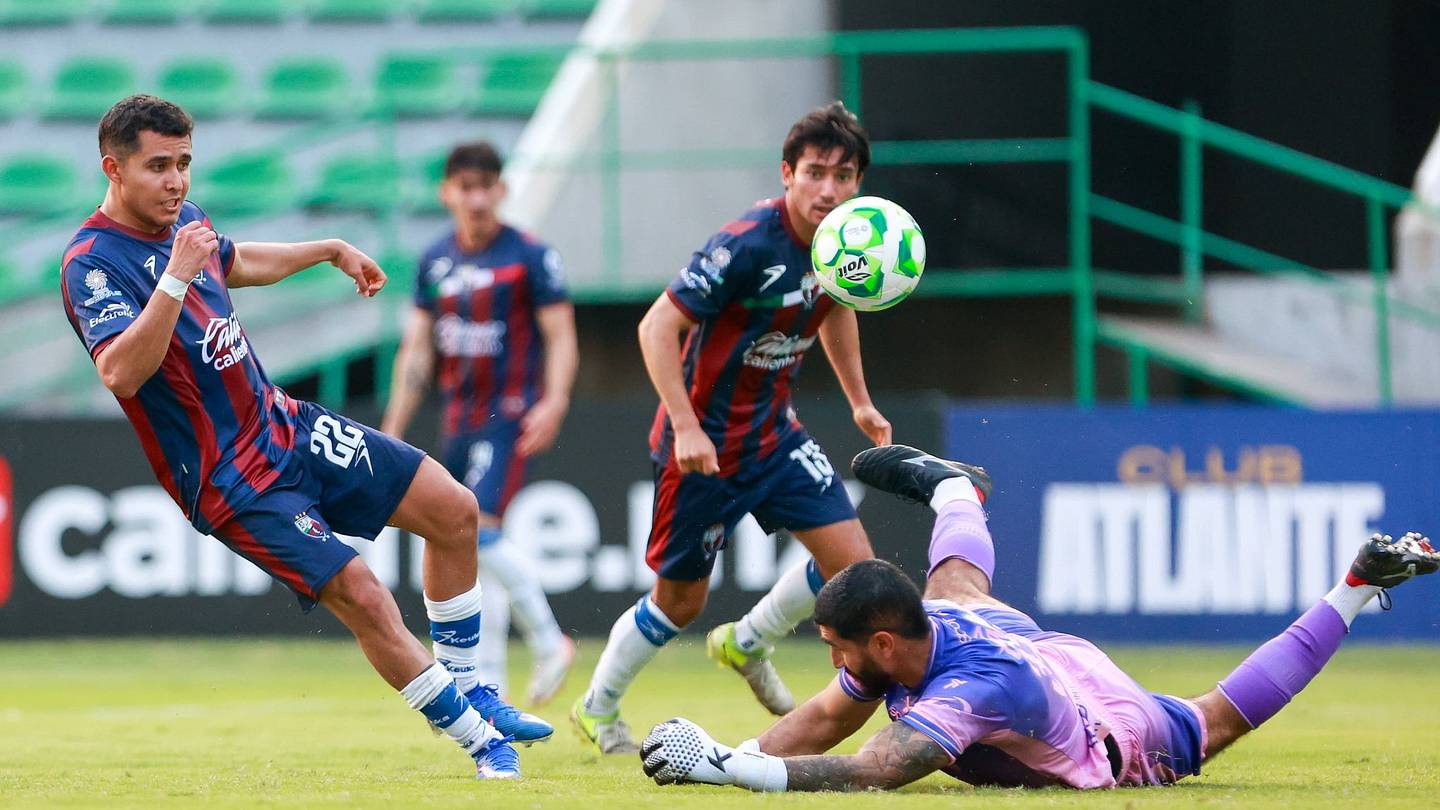
Despite this historical weight, the sporting return encountered immediate operational friction during the Apertura 2026 tournament opening phase. Following an initial defeat against Necaxa at Estadio Victoria, the organization faces the challenge of stabilizing on-field performance while adapting to top-tier demands.
Broadcasting Dynamics and Commercial Distribution
Commercial visibility for Atlante’s home fixtures is secured via a broadcasting agreement designating ESPN as the primary transmission outlet. This ensures high-profile encounters, such as the fixture against América, receive extensive regional coverage.
Contemporary Mexican football media rights dictate that club valuations rely heavily on fixture scheduling and marquee matchups. The América pairing functions as a high-value commercial asset, optimizing broadcast yield and audience engagement metrics.
Managerial Transitions and Competitive Positioning
The Atlante-América fixture unfolds against a backdrop of technical reorganization for the visiting squad. América enters under newly appointed head coach Guillermo Almada, following André Jardine’s departure.
Jardine’s tenure established a high competitive benchmark with a domestic treble, though falling short internationally. Almada’s arrival introduces tactical recalibration for the early stages of the Apertura 2026 calendar.
Historical Grounding at Estadio Azteca
Atlante’s home match against América at Estadio Azteca coincides with a sixty-year historical benchmark. On July 24, 1966, the Potros de Hierro contested their inaugural league match as tenants in the newly constructed venue.
This return highlights the evolution of venue ownership and tenancy agreements within Mexican football. Originally conceived as a multi-club facility, the venue gradually transitioned into an asset closely identified with América and the national team.
Evolution of Stadium Tenancy Models
During early operations, Estadio Azteca accommodated multiple founding entities simultaneously, including Atlante, Necaxa, and Cruz Azul. This shared usage reflected an era of centralized capital deployment within the capital district.
Shifting economic incentives eventually dissolved this shared arrangement. While Necaxa and Cruz Azul pursued alternative venues, América consolidated its operational identity around the stadium, leaving Atlante to navigate prolonged relocations.
Strategic Implications of Contemporary Tenancy
Atlante’s current status as a venue tenant illustrates the structural challenges historically displaced franchises face in securing permanent infrastructure. Reoccupying the stadium via a lease underscores financial and logistical barriers in modern sports operations.
This venue dynamic frames the rivalry as a convergence of historical continuity and contemporary commercial realities, encapsulating the broader economic pressures shaping club positioning and institutional identity.