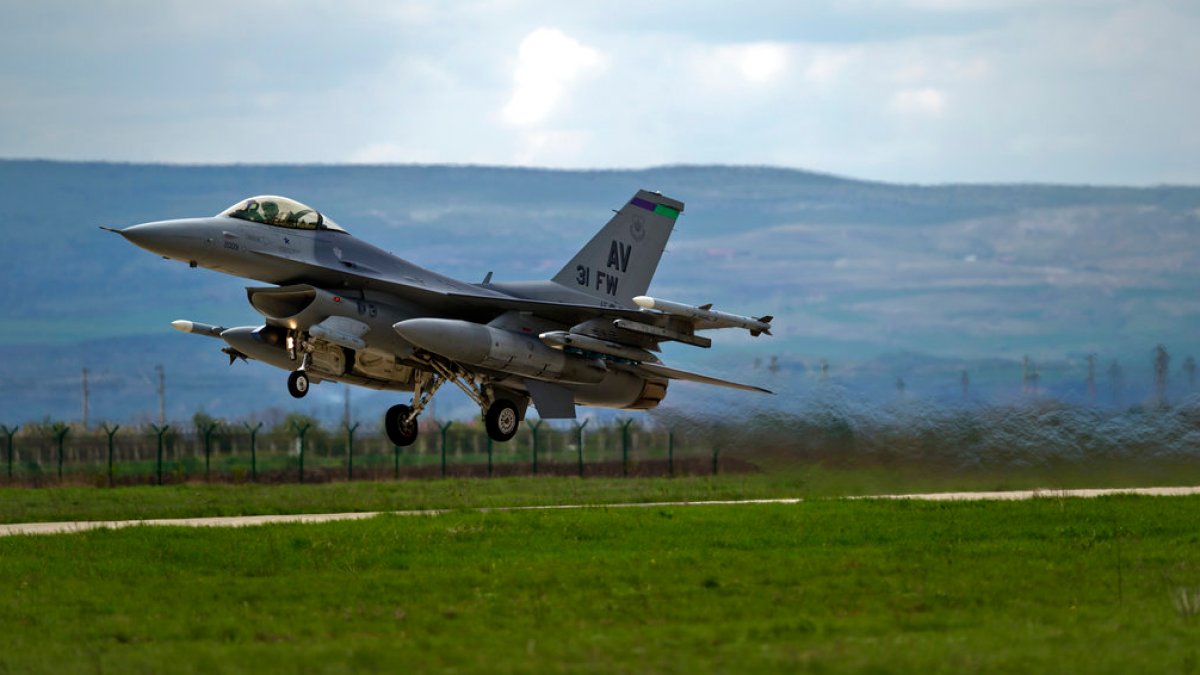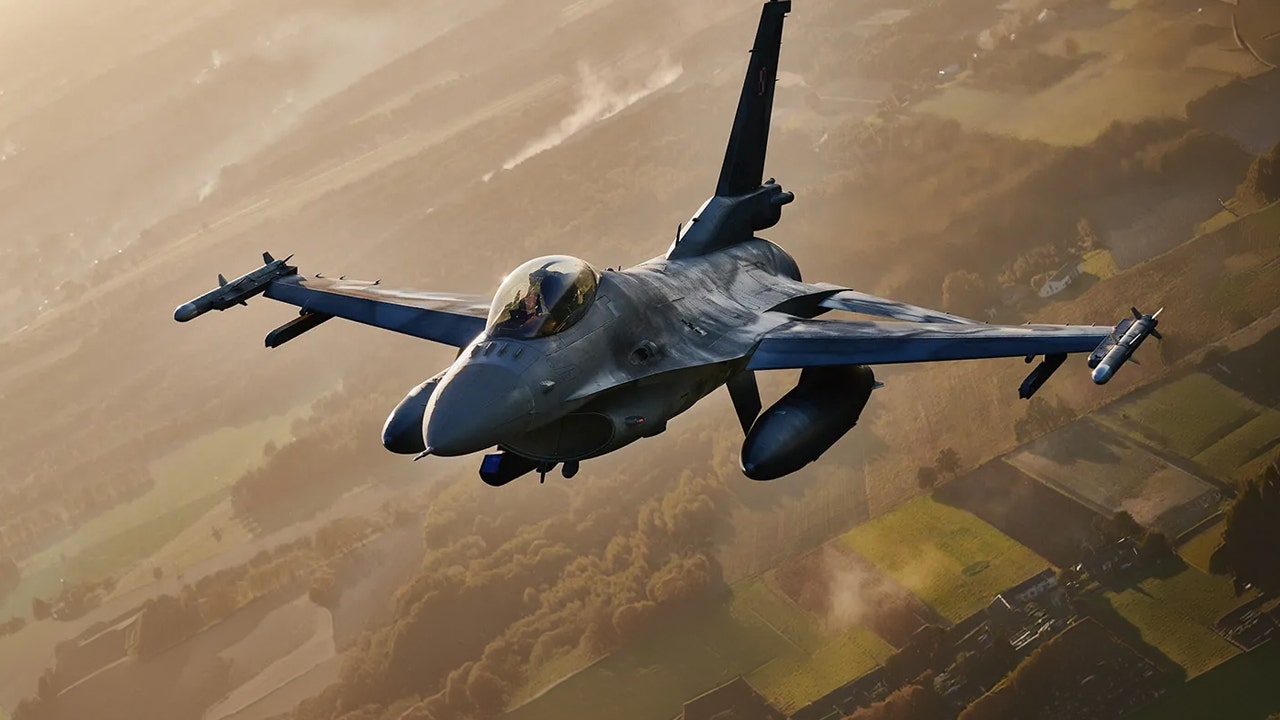
A Romanian F-16 fighter jet shot down an unidentified drone that entered national airspace without authorization, marking the first time a NATO member has intercepted and destroyed an intruding aircraft inside its borders since the onset of the conflict in Ukraine. While authorities have not officially identified the origin or ultimate purpose of the device, military leadership noted that pilots described the aircraft as matching the visual and structural profile of a Shahed-type drone. This Iran-designed attack drone has been deployed extensively in the region, creating continuous operational challenges for regional air defense networks.
The interception took place over an unpopulated area within Buzău County, mitigating the risk of civilian casualties or infrastructure damage. Romanian Foreign Minister Oana Țoiu emphasized the gravity of the territorial violation, reiterating that national borders and sovereign airspaces remain non-negotiable elements of state security. Military authorities confirmed that air police units, alongside broader NATO defense structures, continue to maintain heightened surveillance protocols across the land border, the Danube, and the Black Sea coastal sectors.
President Nicusor Dan highlighted that this defensive action underscores an escalation in the frequency and proximity of airspace breaches affecting Eastern European alliance members. Romania, which shares a direct land and maritime border with Ukraine, has documented numerous drone incursions and falling debris incidents since the launch of the full-scale military campaign in 2022. These recurring events illustrate the persistent operational friction experienced by frontline states as daily barrage activities generate stray vectors near international boundaries.
Strategic Implications for NATO Air Defense
The successful interception forces a reevaluation of operational readiness and rules of engagement along the alliance’s eastern flank. Collective defense frameworks must continually adapt to low-altitude, slow-moving aerial threats that blur the operational threshold between conventional military provocation and accidental drift. The persistent deployment of unmanned aerial vehicles daily across the border zone creates continuous systemic stress for radar detection systems and command-and-control infrastructure.
Military planners face complex calculations regarding resource allocation and the economic sustainability of utilizing advanced fighter platforms against low-cost expendable munitions. Each deployment of an F-16 and its associated ordnance involves significant financial and logistical overhead, contrasting sharply with the relatively inexpensive manufacturing cost of typical loitering munitions. This structural asymmetry forces defense ministries to balance immediate territorial protection against long-term fleet maintenance and operational readiness.
Intelligence assessments accompanying these operational events highlight systemic vulnerabilities in regional airspace management. Reports warning of shadow fleet movements probing radar and air defense responsiveness indicate a concerted effort to map defensive blind spots along the perimeter. Consequently, allied command structures must integrate diverse sensor feeds and accelerate the deployment of cost-effective counter-unmanned aerial systems to preserve high-value interceptor assets.
Institutional and Diplomatic Repercussions
Diplomatic channels within the alliance are navigating heightened tensions as repetitive border violations test the limits of deterrence doctrine. Foreign ministries across neighboring states must calibrate their public communications to project resolve without unnecessarily escalating regional volatility. Official statements consistently emphasize collective readiness while maintaining strict adherence to defensive parameters defined by international law.
The incident places renewed focus on the operational integration of front-line member states within the broader alliance command hierarchy. Seamless communication between national defense forces and regional NATO air policing centers is critical for executing split-second interception decisions in contested airspace. Institutional friction or delays in authorization chains can significantly diminish the effectiveness of defensive responses against fast-moving airborne targets.
Legal and regulatory frameworks governing peacetime airspace violations are tested by the sheer volume of cross-border aerial traffic. National authorities must operate within strict legal parameters while responding to ambiguous incursions whose origins and intent cannot always be immediately verified. This procedural complexity underscores the necessity for transparent intelligence sharing and standardized escalation protocols across all participating allied capitals.
Economic and Industrial Spillover Effects
Defense manufacturing sectors are experiencing accelerated demand for specialized counter-drone technologies designed to neutralize low-signature aerial threats efficiently. Traditional aerospace firms and specialized defense contractors are under pressure to deliver scalable solutions that reduce reliance on manned fighter jets for routine border security missions. This market shift directs capital investment toward electronic warfare systems, directed-energy weapons, and advanced radar integration.
Regional economic stability along the border zones is indirectly influenced by the persistent perception of security risks affecting infrastructure and commercial activity. While Buzău County is situated away from the immediate frontline, repeated air defense activations affect regional logistics, insurance premiums, and investor confidence. Commercial sectors dependent on stable cross-border supply chains must incorporate geopolitical risk assessments into long-term operational planning.
The financial burden of maintaining continuous combat air patrols falls heavily on frontline states, prompting discussions regarding burden-sharing and resource pooling within defense alliances. National budgets must absorb the escalating costs associated with heightened alert statuses, accelerated maintenance cycles, and munitions replenishment. These fiscal pressures require careful prioritization within national legislative bodies to sustain long-term defense capabilities without destabilizing broader economic priorities.