
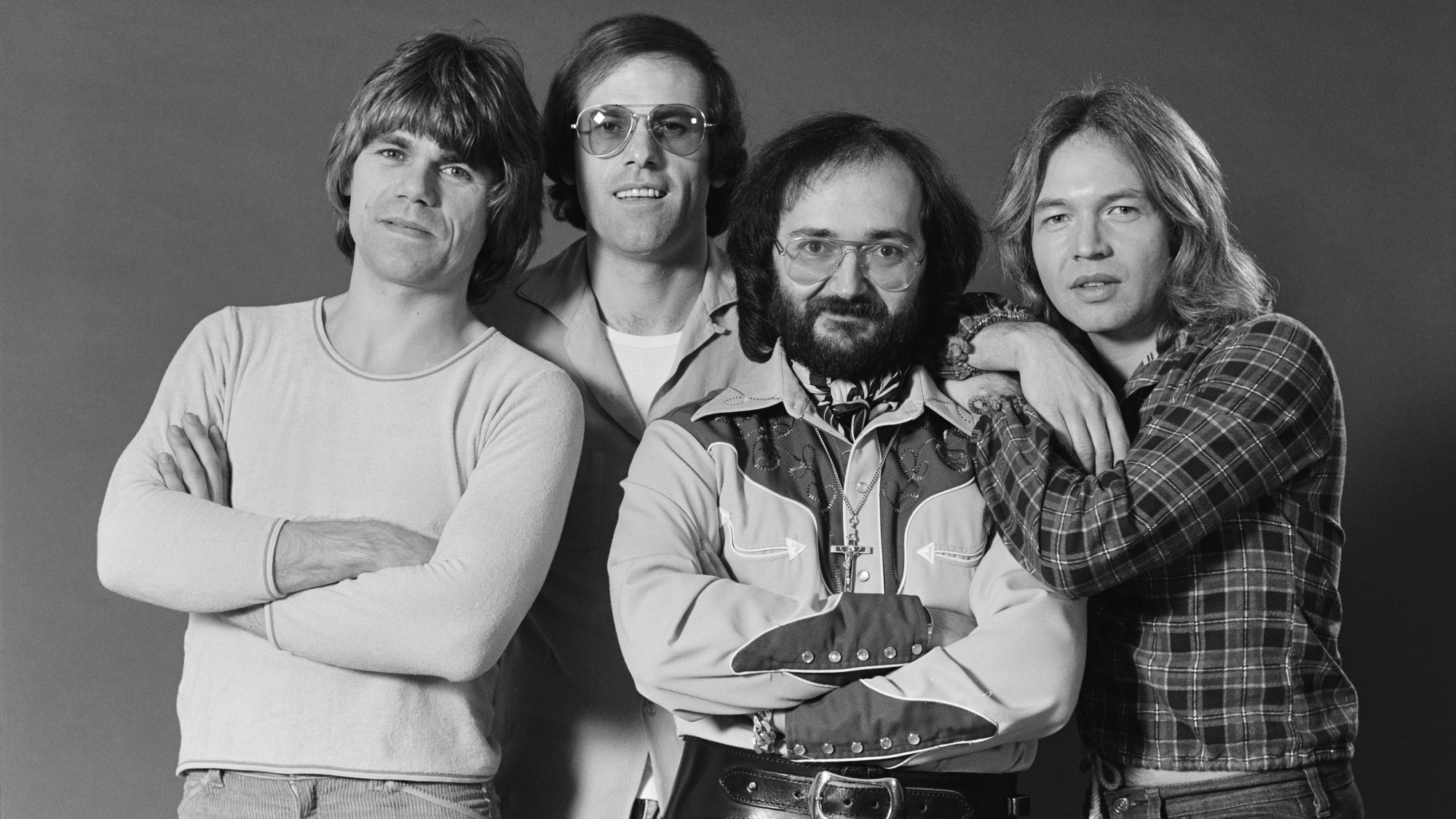
Anthony John Thorpe, known professionally as Tony Thorpe, lead guitarist and songwriter for the 1970s UK glam-rock group The Rubettes, has passed away at the age of 80 following a period of declining health, just days ahead of his 81st birthday on July 20. His death was officially announced through statements from his family and long-time bandmates, highlighting a legacy defined by mid-1970s chart dominance, studio craft, and mentorship of emerging musical talent.
Official Statements and Personal Legacy
An official statement released by Thorpe’s immediate family confirmed that he passed away following recent health complications, while noting that he maintained his sharp intellect and humor throughout his final months. He is survived by his wife, Shirle, and his son, Clayton. Beyond his commercial recordings, the family emphasized his role as a dedicated mentor across generations of performers.
Former Rubettes bandmate Alan Williams published a tribute praising Thorpe’s distinct creative contributions, specifically highlighting his dual mastery as both a guitarist and a composer—referencing his command of “the axe and the pen.” Williams noted that while their collaborative work occurred during intense, specific windows, those sessions yielded lasting commercial and artistic milestones.
1974 Emergence and the Impact of ‘Sugar Baby Love’
Born on July 20, 1945, at St Bartholomew’s Hospital in London, Thorpe began formal training on guitar and percussion at age eleven. This multi-instrumental background provided him with a keen understanding of rhythm and melody, distinguishing his work in the competitive London session circuit of the early 1970s.
In 1974, Thorpe joined The Rubettes at a pivotal moment for British pop. The group achieved instant commercial success with their debut single, “Sugar Baby Love,” which secured the No. 1 spot on the official UK singles chart for four consecutive weeks. The track’s massive success extended across continental Europe, establishing a lucrative catalog asset driven by global distribution, synchronization rights, and ongoing radio airplay.
Broadcast Exposure and Musical Contribution
During the height of glam rock, domestic commercial viability depended heavily on television exposure. The Rubettes became regulars on the BBC’s flagship music program, Top of the Pops. These televised appearances reinforced the band’s distinct visual identity and driven instrumental sound, translating broadcast reach directly into retail vinyl sales and high-capacity tour bookings.
As lead guitarist, Thorpe provided the precise instrumental hooks and arrangements that balanced pop accessibility with technical depth. As a contributing songwriter, he secured valuable publishing equity within the band’s catalog. In an era where performance income was subject to touring cycles, holding compositional rights ensured long-term participation in backend royalty streams managed by performance rights organizations.
Mentorship and Catalog Persistence
In his later years, Thorpe actively mentored younger musicians, sharing practical knowledge derived from the analog recording era—including tape-based studio discipline, live tone shaping, and performance execution without modern digital corrections. His guidance preserved foundational technical standards within an evolving, increasingly digitized industry.
With the ongoing shift toward digital music streaming and algorithmic catalog curation, Thorpe’s work with The Rubettes continues to generate performance and mechanical royalties globally. His passing marks a generational transition for British glam rock, leaving behind a career defined by chart-topping precision, compositional craft, and continuous artistic contribution.

Photo by iankelsall1 on Pixabay.