
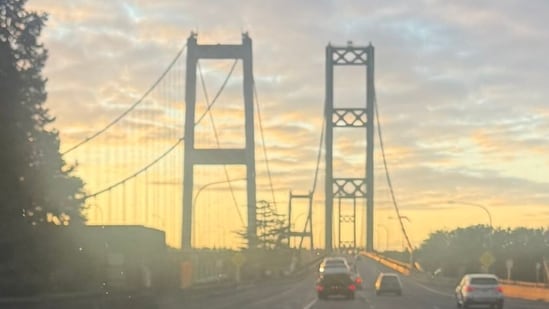
The Systemic Impact of the SR 16 Corridor Interruption
The emergency suspension of eastbound State Route 16 (SR 16) traffic on the Tacoma Narrows Bridge highlights the acute fragility of regional transit networks. Initiated at approximately 8:30 PM on a Saturday to resolve an active behavioral health crisis involving an armed individual, this localized containment operation instantly paralyzed a vital logistical artery. Because the bridge represents the primary physical corridor linking the Olympic Peninsula with the urban centers of Pierce County, even temporary unscheduled interruptions trigger profound operational and economic challenges across the region.
As confirmed by the Washington State Patrol (WSP) and the Tacoma Police Department, the high-risk nature of the incident demanded immediate, absolute lane containment. Although first responders successfully resolved the crisis with no injuries and no shots fired, the immediate halting of eastbound traffic exposed the structural limitations of a network lacking nearby alternative crossings. Without rapid detour options, a localized emergency quickly transformed into a regional transit bottleneck.
Single-Point-of-Failure (SPOF) Dynamics in Regional Logistics
The Tacoma Narrows Bridge functions as a classic single point of failure (SPOF) within Western Washington’s infrastructure. Freight and commercial logistics traveling from the Olympic Peninsula toward the Interstate 5 corridor are heavily reliant on this specific crossing. When an incident forces an unscheduled closure, the lack of immediate detour alternatives introduces significant delays, elevated fuel consumption, and disrupted distribution schedules for supply chain operators.
The timing of the incident on a Saturday evening presented distinct challenges for traffic management. While weekend traffic volumes differ from weekday peak commuter hours, the sudden closure trapped a substantial volume of motorists on the bridge approach spans. Resolving this congestion required the immediate deployment of adaptive traffic control measures to prevent systemic gridlock from spilling backward into the local arterial feeder roads of Gig Harbor.
Tactical and Spatial Constraints of Bridge-Based Crisis Response
Executing tactical operations on a major suspension bridge imposes extreme physical and environmental constraints on first responders. The linear geography and narrow profile of the Tacoma Narrows Bridge limit staging areas for emergency vehicles, restrict lateral movement, and eliminate natural cover for law enforcement personnel. These spatial limitations require precise, disciplined coordination to ensure operational safety without compounding the existing traffic crisis.
In this scenario, WSP and Pierce County responders had to manage a high-stakes tactical perimeter involving firearms within an highly exposed, high-altitude environment. This hazardous setting naturally extends the timeline of crisis negotiations, as hasty tactical interventions carry elevated risks. Closing all eastbound lanes was therefore a strict operational necessity, isolating the scene to eliminate external variables and protect civilian motorists from potential crossfire or escalation.
Inter-Agency Interoperability and Jurisdictional Coordination
This incident illustrates the complex jurisdictional overlap inherent in state highway emergencies. The Washington State Patrol, which maintains primary jurisdiction over SR 16, operated in close alignment with the Tacoma Police Department and local crisis negotiation teams. This multi-agency framework requires real-time synchronization, unified command structures, and clear communication channels to prevent operational friction during high-stress deployments.
While local municipal units and county negotiators focused on direct de-escalation on the bridge deck, state troopers managed the broader perimeter and initiated traffic diversion control. As noted by WSP spokesperson Trooper Kameron Watts, establishing immediate diversion protocols is critical to mitigating the rapid backlog of vehicles. This division of labor underscores the value of pre-established mutual aid agreements and joint training exercises in executing seamless regional responses.
The Mechanics of Dynamic Traffic Diversion
When a primary highway corridor is closed, traffic diversion control serves as the primary mechanism to mitigate regional gridlock. This process requires systematic redirection of highway-volume traffic onto secondary municipal roads that are rarely engineered to absorb such loads. The sudden influx of diverted vehicles into Gig Harbor’s local road network can quickly saturate intersections, creating secondary safety hazards and localized delays.
Deploying effective diversion measures requires significant logistical coordination, including the rapid placement of physical barriers, variable message signs, and personnel to guide motorists. For transportation planners, these incidents provide critical data on the capacity of secondary networks to withstand sudden surges. Analyzing the performance of local detours during real-world crises is essential for refining municipal emergency management plans and prioritizing regional infrastructure upgrades.
Crisis Communication and Real-Time Information Flow
In high-consequence incidents, rapid public communication is a vital tool for managing driver behavior and reducing network strain. The utilization of digital communication channels by WSP and local police allowed for real-time updates, advising motorists to bypass the SR 16 corridor entirely. This direct outreach helps manage public expectations, corrects misinformation, and prevents further vehicles from entering the immediate bottleneck.
However, public information officers must balance transparency with tactical security. Providing excessive detail during an active negotiation can compromise officer safety or escalate the crisis, while providing insufficient information breeds public frustration. The initial, measured updates confirming the presence of firearms—while emphasizing that no shots had been fired—demonstrate a highly controlled communication strategy designed to inform the public without inducing panic.
Long-Term Policy and Infrastructure Implications
The closure of the Tacoma Narrows Bridge highlights broader policy challenges regarding infrastructure resilience and public safety. As regional populations expand, the economic consequences of single-point-of-failure disruptions will grow exponentially. Policymakers must assess whether current infrastructure designs and emergency detours are sufficient, or if investments in intelligent transportation systems (ITS)—such as dynamic rerouting signage and automated corridor management—are required to mitigate future disruptions.
Additionally, the incident emphasizes the critical need for continued investment in integrated behavioral health resources. As law enforcement officers increasingly serve as first responders to mental health crises on public infrastructure, integrating specialized mental health professionals directly into tactical response frameworks is vital. Addressing the root causes of these incidents can reduce their frequency, ultimately protecting both human lives and the integrity of vital transit corridors.
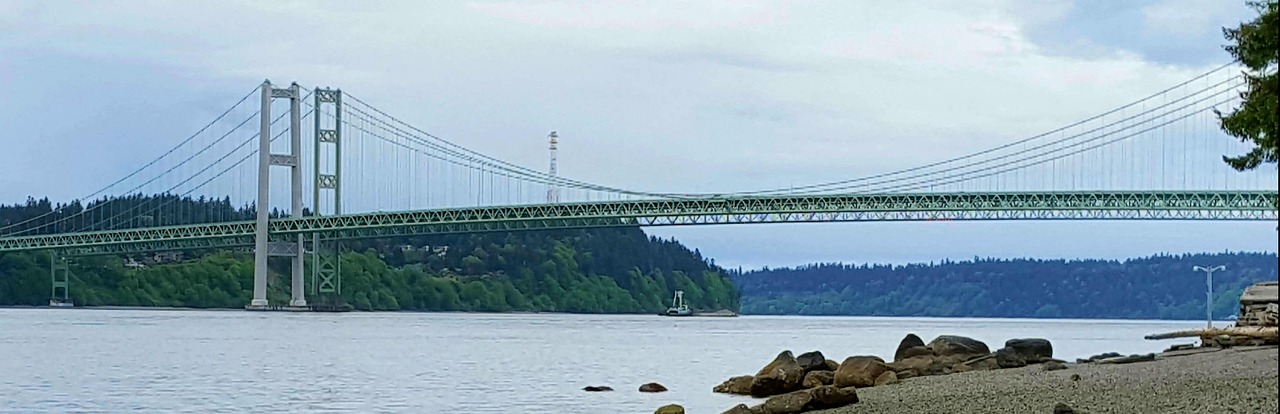
Photo by dabette on Pixabay.