The Strategic Continuity of the Evil Dead Franchise
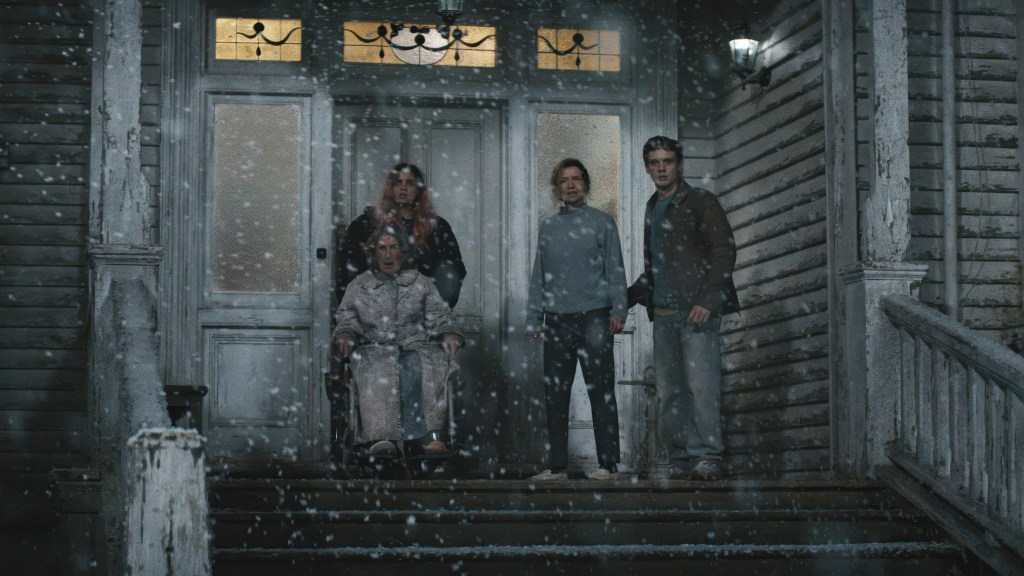
The release of Evil Dead Burn, directed by Sébastien Vaniček and produced by Sam Raimi, serves as a masterclass in franchise sustainability. By balancing brand equity established since the 1981 original trilogy with the agility of standalone sequels, the series avoids the narrative stagnation that often plagues long-running horror properties. This structural choice—decoupling individual films from a rigid, overarching plot—mitigates long-term continuity risks and provides creative latitude for emerging directors to iterate on the core aesthetic without alienating the established fanbase.
Operational Demands and Talent Management
The intense production environment of Evil Dead Burn highlights a sophisticated approach to talent management. By emphasizing the grueling nature of the shoot during the casting phase, the production acts as a strategic filter, ensuring that performers possess the physical and psychological resilience required for the film’s visceral, practical-effect-heavy style. This transparency serves to minimize attrition and production delays, illustrating how modern horror production prioritizes alignment between artistic intensity and operational stability.
Market Positioning and Competitive Dynamics
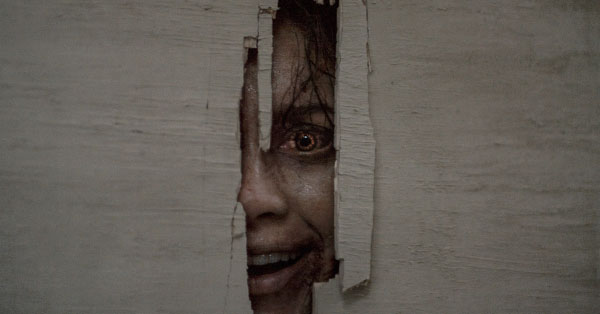
Evil Dead Burn shifts the franchise toward a focus on atmospheric dread and technical proficiency, reflecting a broader audience trend favoring grounded, visceral terror over camp-adjacent comedy. This pivot secures a distinct market niche, proving that high-concept, mid-budget horror remains a capital-efficient vehicle for distributors. By empowering visionary filmmakers, the franchise maintains high quality-control standards, ensuring that intellectual property retains its value while adapting to the post-pandemic theatrical landscape.
Institutional Stewardship and Future Outlook
The longevity of the Evil Dead brand is predicated on the synergy between Sam Raimi’s centralized oversight and the decentralized creative execution afforded to new directors. This model of institutional stewardship mitigates the risk of audience fatigue by balancing legacy brand values with contemporary stylistic shifts. As the industry faces increased scrutiny regarding on-set working conditions, the franchise’s ability to pair high-stakes performance requirements with professional support protocols marks it as a blueprint for sustainable, high-impact horror production. This strategic framework ensures that the property remains a versatile and reliable asset in an increasingly saturated media market.