The Structural Tension of Officiating Technology
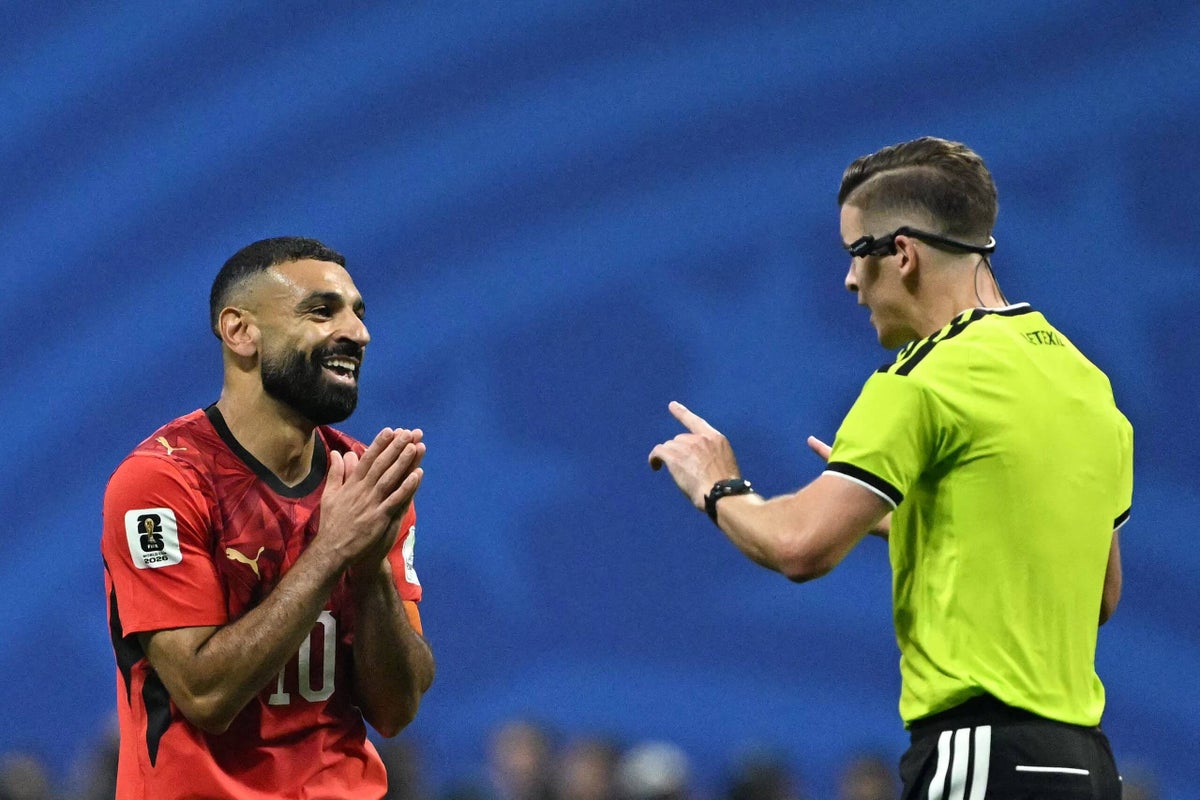
The Egypt vs. Argentina Round of 16 match has sparked a critical debate regarding Video Assistant Referee (VAR) protocols. The retrospective reversal of an Egypt goal, following an extensive review of play occurring nearly 100 yards away, has drawn scrutiny not merely for the outcome, but for the operational interpretation of the rulebook.
This incident highlights a growing friction between the pursuit of absolute precision and the preservation of the game’s inherent flow. When technology intervenes in phases far removed from the immediate scoring sequence, it challenges established boundaries of refereeing authority and the consistency of decision-making under pressure.
Institutional Challenges in VAR Governance
The Egyptian Football Association’s formal objection underscores a significant institutional hurdle for FIFA: maintaining perceived neutrality in high-stakes matches. When officiating decisions directly influence the progression of high-profile teams, the governing body faces increased pressure to justify its technical application of rules to stakeholders and the global public.
The involvement of external political figures, such as Zohran Mamdani, demonstrates how sports controversies transcend the pitch. Such interventions elevate narratives from technical officiating errors to questions of systemic fairness, complicating the public relations landscape for international sports bodies.
Operational Realities and the ‘Attacking Phase’
The disallowed goal involving Lisandro Martinez illustrates the ambiguity in current VAR protocols. By tracing play 17 seconds back to an event in the defensive third, the officiating team highlighted a reliance on granular technology that contradicts traditional flow-of-play expectations. This triggers fundamental questions regarding the defined scope of an ‘attacking phase’ in football.
If referees are empowered to invalidate goals based on distant, non-scoring events, the predictability of match outcomes becomes increasingly tied to the subjective interpretation of the video review team rather than on-field action, potentially undermining the sport’s objective reliability.
Market Integrity and Brand Perception
The rapid viral spread of narratives surrounding ‘biased’ officiating reflects the commercial stakes of the World Cup. For FIFA, tournament integrity remains its primary asset; any perception of structural bias poses a risk to the brand’s long-term global value.
While conspiracy theories regarding Argentina’s progression are dismissed by analysts, the persistence of these sentiments highlights a communication gap between FIFA and its fan base. The inability to reconcile technical reviews with public expectations of fairness creates vulnerabilities that critics and external actors frequently exploit.
Evolution of Standards and Future Regulation
This controversy serves as a catalyst for reforming VAR protocols. As technology becomes embedded in the sport, the need for transparent, standardized, and real-time communication regarding the rationale behind reviews is essential for maintaining institutional legitimacy.
Future regulations must address the ‘letter versus spirit’ of the law. Without clear parameters limiting the scope of intervention to immediate scoring actions, the sport risks further distancing itself from the traditional expectations of players and spectators, necessitating a more balanced regulatory framework for international competition.