
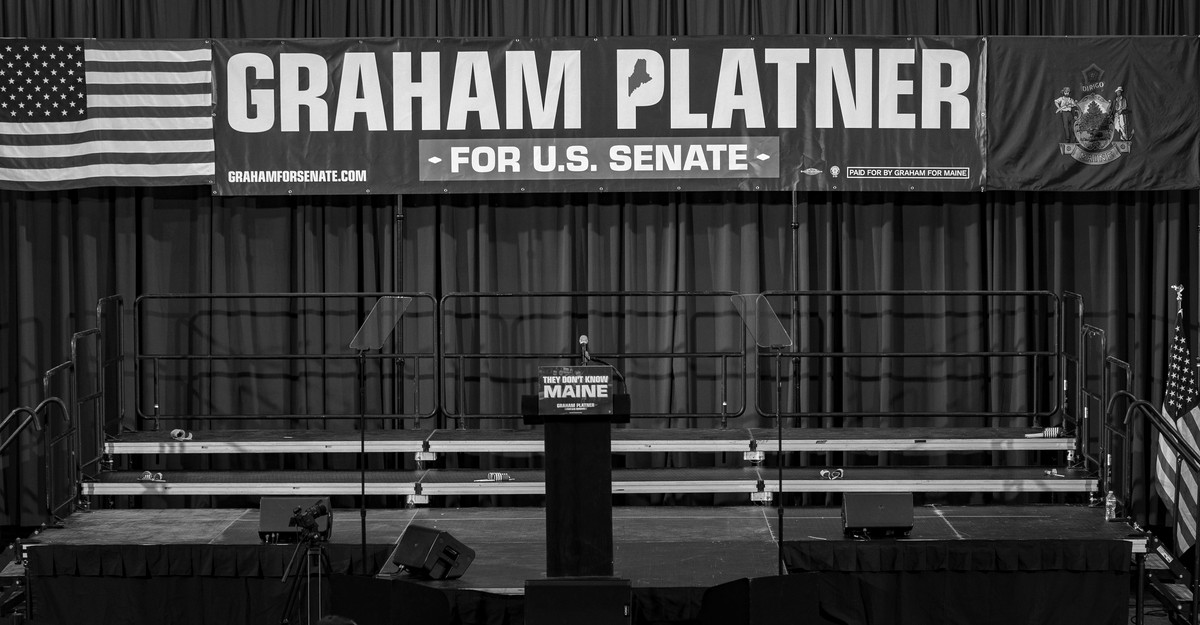
The Catalyst and Immediate Fallout: A Strategic Triage
The structural dynamics of the Maine Senate race have undergone a rapid realignment following the withdrawal of Democratic candidate Graham Platner. Triggered by a credible allegation of sexual assault first reported by Politico—which Platner denied while simultaneously initiating the wind-down of his operations—this exit represents a clear case study of modern party-led risk mitigation. The immediate retraction of endorsements from key figures, including Senators Bernie Sanders and Elizabeth Warren, Representative Ro Khanna, and media influencer Jon Favreau, highlights the velocity of institutional self-preservation in contemporary electoral politics.
The Mechanics of Reputational Contagion and Disendorsement
The swift withdrawal of high-profile endorsements illustrates a calculated strategic triage designed to protect institutional brand equity. In modern campaigns, endorsements from progressive standard-bearers like Sanders and Warren represent more than symbolic alignment; they serve as critical conduits for low-dollar fundraising networks, field volunteer mobilization, and national credibility. When a candidate becomes a reputational liability, these endorsements are quickly revoked to prevent contagion—the process by which a candidate’s personal scandal begins to degrade the credibility of their backers and down-ballot allies.
This collective abandonment also demonstrates how informal party discipline operates in the digital age. By moving in unison, party elites and media influencers generate insurmountable pressure that effectively renders a campaign non-viable, bypassing formal committee procedures to enforce ethical standards. This swift consensus indicates that allegations of personal misconduct, particularly those involving sexual assault, carry an institutional weight that overrides previous tolerances for political or ideological controversies.
Operational and Capital Realignment
Platner’s statement regarding ‘exploring the best way forward’ signals a complex logistical and financial unwinding. This operational dissolution involves immediate financial exposure for vendors, consultants, and staff, alongside the cessation of active fundraising. Beyond local campaign logistics, national party committees must rapidly reallocate financial resources previously earmarked for Maine to other competitive Senate battlegrounds, shifting national map strategies mid-cycle.
Furthermore, the disruption severely impacts local party infrastructure. The volunteer networks, voter contact files, and grassroots coalitions built around the nominee must be mothballed or quickly reoriented toward a replacement candidate. This transition consumes precious time and resources during a critical phase of the electoral cycle, temporarily weakening the party’s ground game compared to their opponents.
Electoral Imbalance and the Path Forward
Platner’s departure creates a profound strategic vacuum. The opposing party will undoubtedly capitalize on this structural failure, using it to challenge the vetting standards and integrity of the Democratic apparatus. For the Democratic Party, the immediate imperative is to rapidly coordinate the selection of a viable replacement who can consolidate donor confidence, rebuild grassroots momentum, and restore competitive balance in the state.
Ultimately, this realignment underscores that candidate viability is no longer solely determined by fundraising prowess or ideological alignment, but by institutional risk management. The speed of the fallout signals a lasting shift in how political organizations manage reputational crises, prioritizing systemic brand preservation over individual campaign survival.

Photo by WikimediaImages on Pixabay.