Ford Motor Company has launched a multi-faceted safety campaign affecting approximately 177,000 vehicles across its internal combustion (ICE), hybrid, and electric (EV) segments. These actions, coordinated with the National Highway Traffic Safety Administration (NHTSA), reveal a critical intersection of metallurgical fatigue in high-torque drivetrains, software-governed safety failures, and environmental tolerance limitations in hardware.
Mustang Series: Environmental Tolerance and Brand Risk
The largest segment of this action impacts 67,842 units of the 2024-2026 Mustang and the 2025-2026 Mustang GTD. The recall addresses a systemic failure in the windshield wiper and washer system during low-temperature operation. In freezing conditions, control modules may default to high-speed-only operation or cease fluid delivery entirely. This defect is particularly damaging to the Mustang GTD’s positioning as a premium performance halo; a basic visibility failure in a low-volume, high-margin flagship suggests a lapse in late-stage environmental stress testing.
Mach-E Drivetrain Integrity: The EV Torque Challenge
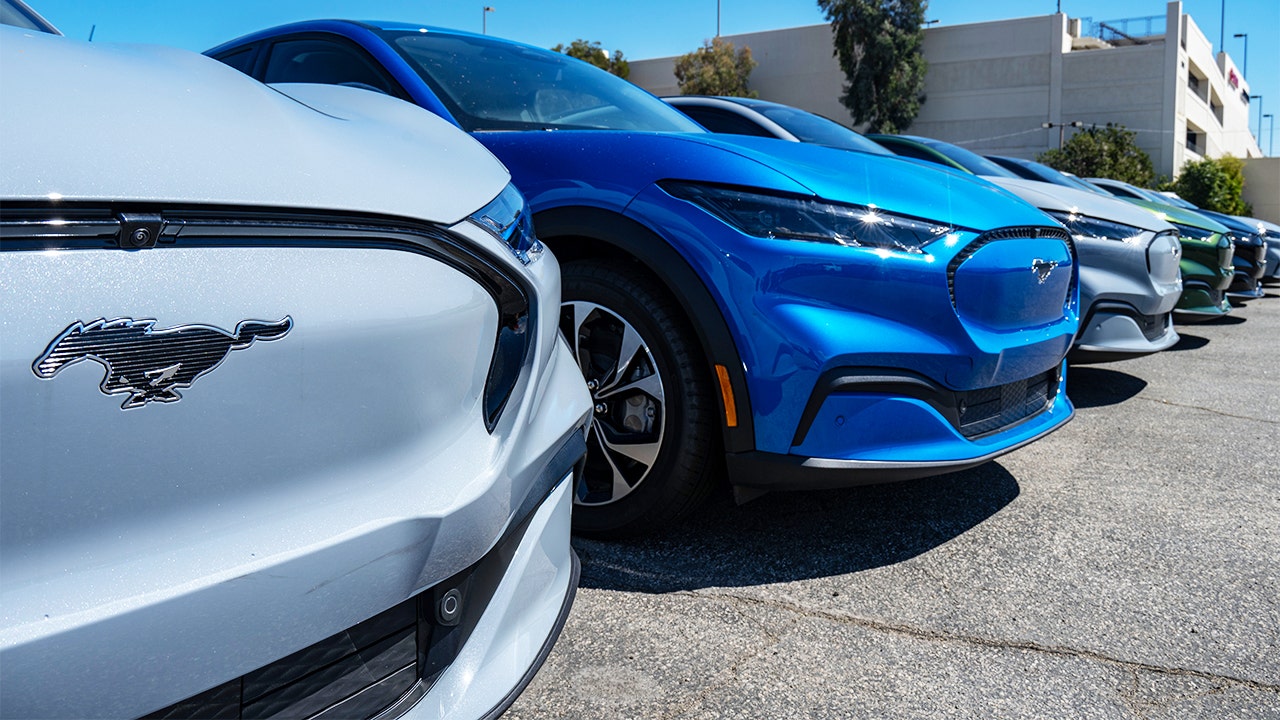
A mechanically severe recall affects 42,784 Mustang Mach-E units (2021-2023). Engineers identified a fracture risk in the rear differential pinion shaft—a component critical for torque transfer. In electric architectures, the immediate delivery of high torque and the stresses of regenerative braking place unprecedented loads on traditional mechanical components. A pinion shaft failure can lead to an immediate loss of motive power or rear-wheel lock-up, presenting a high-speed collision risk. This recall necessitates intensive hardware replacement, creating a significant logistical and financial burden on Ford’s service network.
Software-Defined Safety in Hybrid Architectures
The third pillar involves 66,383 hybrid vehicles, including the 2024-2027 Lincoln Nautilus and 2025-2027 Explorer Hybrids. A software logic error in the Pedestrian Alert System (PAS) prevents mandatory audible warnings at low speeds, violating federal safety standards for quiet vehicles. This highlight’s the fragility of the modern “software-defined vehicle,” where safety compliance is tied to code integrity. Proactive identification in 2027 model-year units suggests Ford is attempting to curtail liability before these systems reach full-scale production saturation.
Institutional Impact and Quality Control Trajectory
These recalls follow a recent history of large-scale safety actions, including transmission-related rollaway risks affecting over 740,000 units. For investors, the frequency of these campaigns—ranging from complex drivetrain metallurgy to simple code errors—signals a need for more robust validation protocols. The dealer network faces a dual-front challenge: executing high-voltage mechanical repairs for the Mach-E while managing software patches for hybrids. Ford’s ability to expedite these fixes will be a key indicator of its operational resilience in an increasingly scrutinized regulatory environment.