The Strategic Architecture of Large-Format Production
Christopher Nolan’s The Odyssey represents a calculated escalation in the application of IMAX technology. By committing to a three-hour runtime and a production scale designed exclusively for large-format exhibition, the film functions as a strategic stress test for global theater infrastructure.
Nolan’s reliance on large-format film cameras is a deployment of capital designed to differentiate the theatrical experience from the saturation of home-based digital consumption. This creates a unique value proposition that resists the industry-wide trend toward commodified streaming content.
Operational Scaling and Risk Mitigation
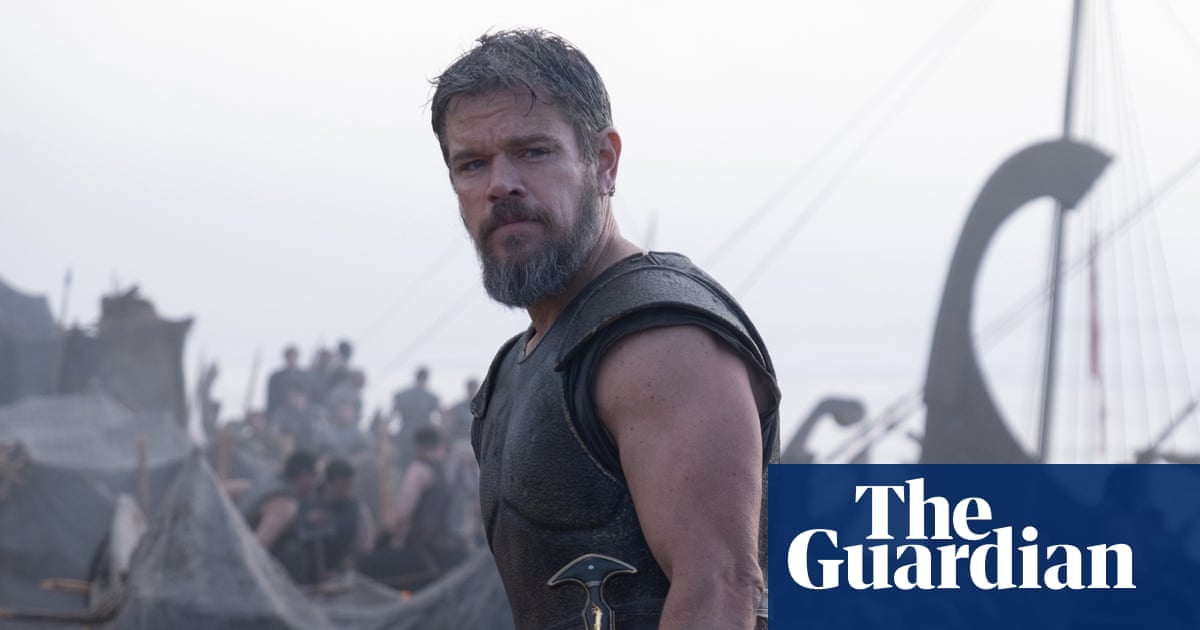
Adapting an epic poem while adhering to the technical demands of IMAX photography required a highly compartmentalized production strategy. Lead actor Matt Damon’s performance—focused on individual character agency amidst a vast, multifaceted technical environment—illustrates the necessity of departmental autonomy in modern, high-budget filmmaking. This vertical integration of specialized teams effectively mitigates the risk of systemic failure during complex shoots.
Competitive Positioning and Market Impact
Early critical discourse identifies The Odyssey as a frontrunner for awards, with praise for Robert Pattinson’s portrayal of Antinous signaling that the film successfully balances auteur ambition with character-driven narrative depth. From an exhibitor’s perspective, the film is a high-value asset; it incentivizes theater chains to invest in premium large-format upgrades by mandating the high-resolution environment required to view the work as intended.
Economic Viability of the Prestige-Blockbuster Model
The film’s focus on the psychological weight of post-war narratives creates a high barrier to entry for competing studios. By relying on a non-traditional, three-hour structure, Nolan tests the audience’s appetite for prestige-blockbuster engagement, potentially establishing a new benchmark for sustainable, high-concept, auteur-driven cinema in a global market.
Institutional Alignment and Talent Management
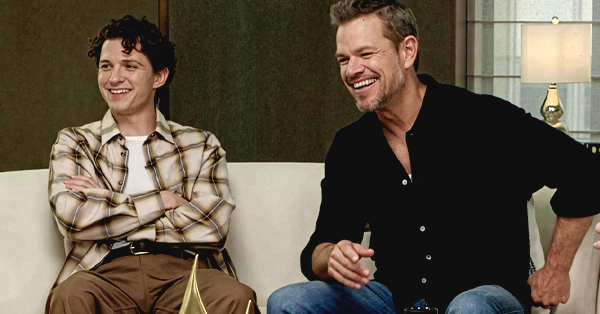
The collaboration with an ensemble cast—including Anne Hathaway and Tom Holland—highlights the role of institutional alignment in mitigating high-stakes risk. Securing top-tier talent for roles demanding significant physical and psychological rigor acts as a market signal for perceived prestige. This structure leverages origin-myth familiarity to ensure broad international appeal while maintaining a distinct, technically-driven competitive advantage.
Technical Integration as a Competitive Moat
By inextricably linking the visual language of the film to the IMAX exhibition format, Nolan creates a ‘moat’ that prevents replication via secondary distribution channels. This shift forces competitors to reconsider their production workflows, as the ability to command three hours of undivided audience attention becomes a rare, premium commodity in an era of fragmented viewing habits.
Long-Term Industry Consequences
The performance of The Odyssey will likely reshape studio greenlighting processes, favoring projects that offer technical innovation and long-term brand equity. As the market enters a phase where exhibition quality is inextricably linked to narrative value, the success of this film puts increased pressure on both production houses and theater operators to standardize technical excellence across the supply chain, ensuring that the theatrical experience remains the primary driver of market valuation.