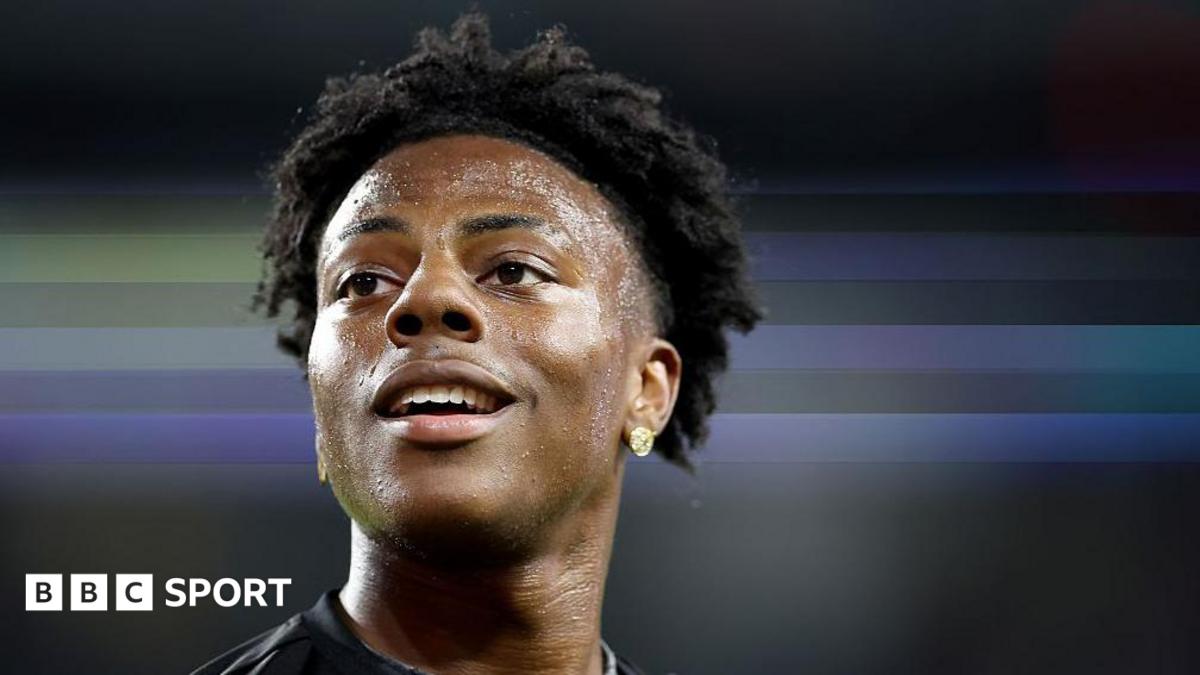
FIFA Probes Racist Incident at World Cup 2026
FIFA has launched a formal investigation following reports of alleged racist abuse directed at American social media influencer Darren Jason Watkins Jr., widely known as IShowSpeed, during the Argentina versus Cape Verde match. The incident occurred on July 3, 2026, at Miami Gardens, Florida’s Hard Rock Stadium, during a Round of 32 fixture.
This intervention by the global football authority underscores the critical need for maintaining institutional conduct standards within high-stakes, emotionally charged sporting environments. FIFA’s prompt inquiry signals a firm stance on enforcing its core values of diversity and inclusion, which are fundamental to the World Cup’s global brand identity.
Strategic Impact on Digital Media and Broadcasting
The involvement of a prominent digital creator, boasting over 100 million subscribers across platforms like YouTube and TikTok, highlights the evolving integration of traditional sports broadcasting with independent creator-led content. IShowSpeed’s prior engagement with FIFA President Gianni Infantino and professional athletes adds complexity to event organizers’ regulatory oversight.
This situation exposes the inherent tension between unmoderated live digital broadcasting and the controlled environment of professional sporting venues. FIFA faces the challenge of balancing the promotional benefits derived from such influencers against the significant reputational risks and potential security incidents that can unfold in real-time.
Operational and Security Challenges in Global Events
The incident at Hard Rock Stadium serves as a critical case study for the logistical and security pressures confronting tournament organizers. When high-profile digital personalities actively participate in the fan experience, they effectively become mobile, unaccredited broadcast points, often operating outside the established media frameworks.
This decentralized form of media coverage presents a significant blind spot for stadium security and event management. The capacity for an individual to broadcast to millions while engaging directly and without moderation in crowd interactions creates unique liabilities for host organizations.
Reputational Management and Regulatory Compliance
FIFA’s explicit condemnation of the alleged behavior, framing it as a violation of the tournament’s foundational principles, functions as a proactive measure to safeguard the World Cup’s brand integrity. By publicly distancing the organization from individual misconduct, FIFA aims to preserve the institutional credibility essential for hosting major international events.
The investigation is a procedural requirement to satisfy international stakeholders and sponsors who mandate secure and inclusive environments. Ineffective handling of such incidents could result in heightened scrutiny of stadium management protocols and the enforcement of conduct codes in subsequent tournament phases.
The Nexus of Fan Culture and Digital Influence Amplification
The reported nature of the abuse—including racial slurs—underscores the persistent difficulty in managing fan behavior within a globalized sporting context. This incident exemplifies how digital platforms can rapidly amplify localized tensions, transforming a single confrontation into a widespread media event almost instantaneously.
For all stakeholders, this necessitates an evolution of security strategies to actively account for the presence and influence of digital creators. As these personalities increasingly shape sports consumption, traditional boundaries of media access and fan interaction will demand more rigorous administrative and security protocols.
Long-Term Institutional Strategy and Creator Engagement
The ongoing inquiry into the Argentina-Cape Verde match reflects a broader trend where sports governing bodies are increasingly compelled to act as arbiters of social conduct. This shift is driven by heightened audience sensitivity and the unprecedented speed of information dissemination via social media.
The investigation’s resolution is expected to inform FIFA’s future policies regarding media access for independent creators. The organization’s strategic priority remains finding a critical balance between fostering fan engagement and maintaining a controlled, respectful environment as it navigates the complexities of the 2026 World Cup.