Strategic Realignment at MSI 2026
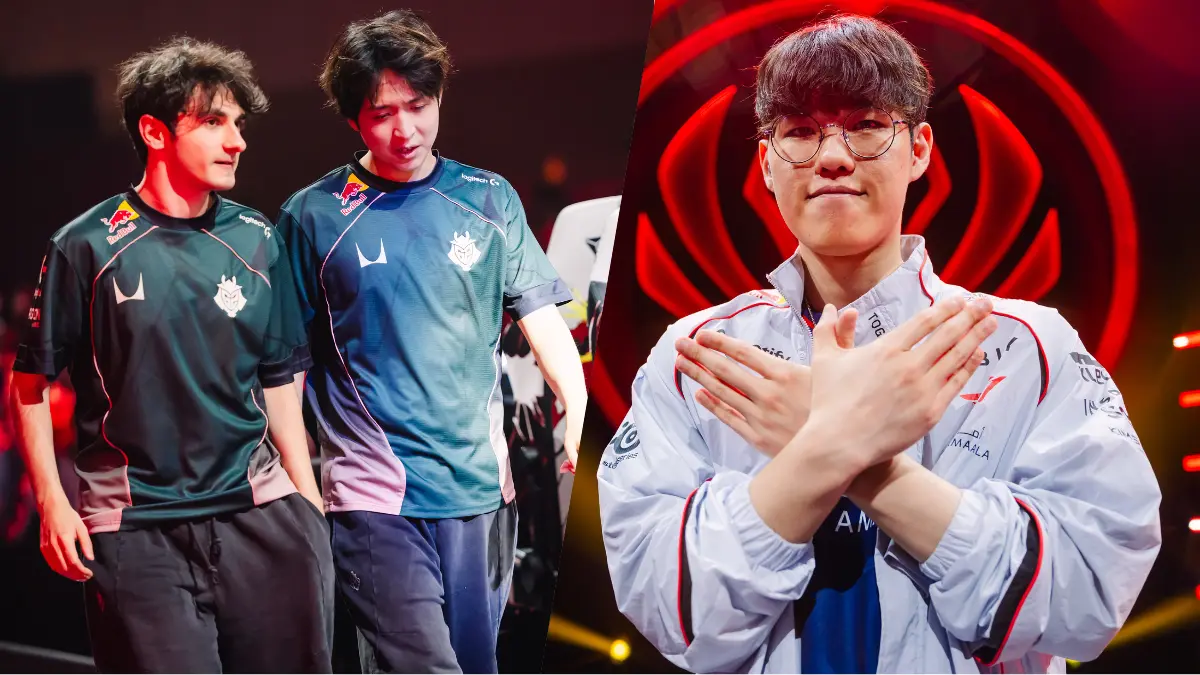
The 2026 Mid-Season Invitational (MSI) in Daejeon has reached a critical inflection point, with T1 and G2 Esports facing an early exit. This lower bracket clash, triggered by their respective losses to Bilibili Gaming and Hanwha Life Esports, highlights the volatility inherent in a high-stakes tournament format where consistency is often penalized by aggressive, high-variance playstyles.
The Mechanics of the Double ADC Composition
G2 Esports’ success with the ‘double ADC’ composition centers on forcing opponents into low-margin late-game decisions. By drafting Vayne and Ezreal, G2 creates persistent pressure windows that exploit even minor positional errors. In their opening game against T1, G2 successfully neutralized Lee ‘Faker’ Sang-hyeok’s Cassiopeia by punishing the absence of critical defensive summoner spells, effectively zoning T1 out of objective control.
T1’s counter-draft attempts, specifically using Camille for backline disruption, suffered from desynchronized ability timing. In professional play, success hinges on the overlap of power spikes; T1’s inability to align their engagement windows led to cascading failures in team fights, demonstrating the high execution tax required to counter non-traditional scaling compositions.
Institutional Pressure and Drafting Philosophy
T1’s performance at MSI 2026 has been marked by overly complex drafts that demand perfection. Their 3-2 loss to Bilibili Gaming serves as a cautionary tale: when drafting requires flawless execution under pressure, any mechanical inconsistency results in an unrecoverable deficit. The coaching staff faces a binary choice: continue chasing high-ceiling strategies or pivot toward compositions that offer greater margin for error.
Conversely, G2 Esports’ tournament path highlights a reliance on tactical innovation and reactive play, as seen in their reverse sweep against Top Esports. However, their 3-0 defeat against Hanwha Life Esports exposed a critical vulnerability to sustained, high-tempo aggression. This match is a direct collision of philosophies: T1’s prioritization of individual mechanical excellence versus G2’s preference for composition-driven tactical fluidity.
Systemic Implications for the Tournament
The early exit of either organization will force a broad reevaluation of regional power dynamics. As the bracket narrows, the ability to manage the psychological toll of the lower bracket becomes as vital as individual mechanical skill. The winner of this series will not only survive but will provide a blueprint for how to bridge the gap between regional styles, signaling which team possesses the structural fortitude to contend for the title.