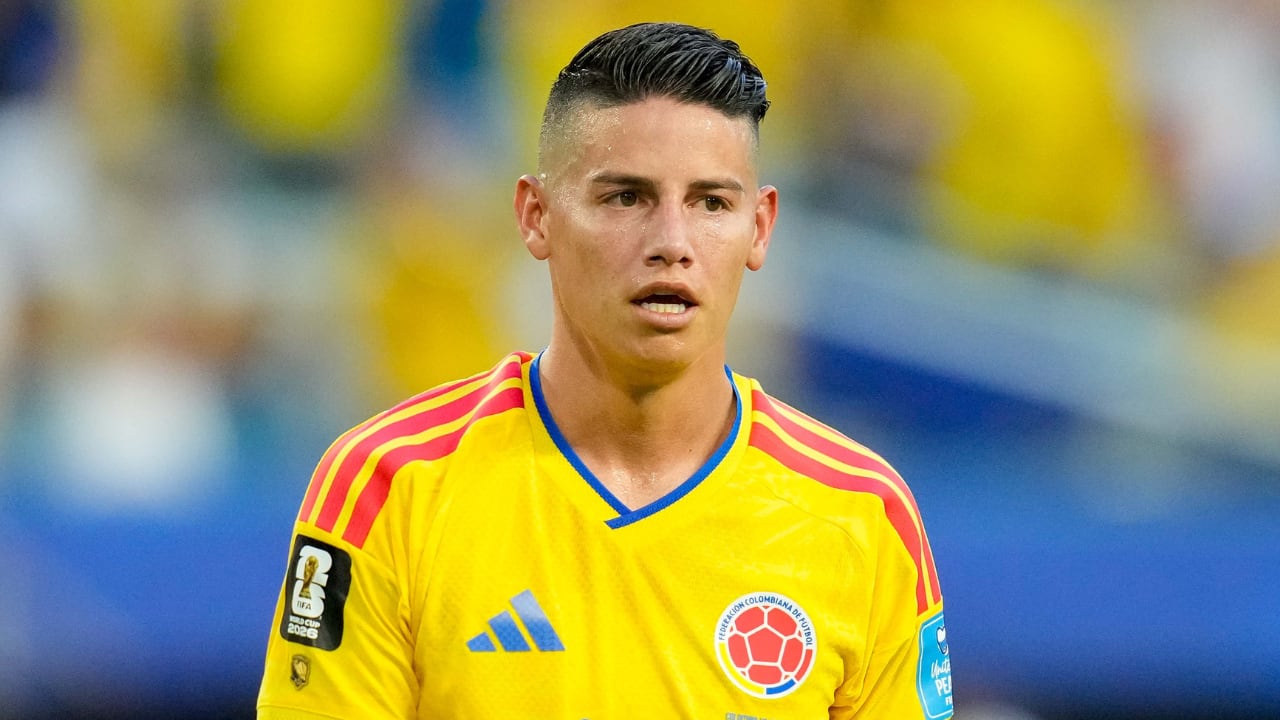
The 2026 FIFA World Cup has transitioned into a complex operational phase as the Colombian national team moves from its preliminary bases in Mexico and the United States to the knockout rounds in Canada. This geographical pivot represents a logistical challenge for Néstor Lorenzo’s squad, necessitating rapid adaptation to Canadian climate variables and infrastructure ahead of their Round of 16 fixture against Switzerland. Beyond the pitch, this transition tests the resilience of the team’s support systems and the strategic depth of its technical preparation.
Institutional Marketing: Mitigating Volatility via Legacy Assets
Motorola has established a sophisticated commercial architecture by positioning itself as the official smartphone partner, utilizing a ‘Starting Team’ of ambassadors to stabilize brand presence across Latin America. By integrating retired legends like Gabriel Batistuta and Andrés Guardado alongside active figures like David Ospina, the corporation leverages ‘legacy capital.’ This approach mitigates the marketing risks inherent in the performance volatility of active players, ensuring multi-generational reach in key markets such as Argentina, Mexico, and Colombia.
The ambassadorial roster—including Damián ‘Kitu’ Díaz, Yoshimar Yotún, and Aldo Corzo—targets specific market penetration in the Andean and Southern Cone regions. This strategy aligns with Motorola’s emphasis on ‘leadership and constancy,’ mirroring hardware reliability through the persona of established athletes. These activations are not merely promotional but serve as a structural layer of the tournament’s financial ecosystem, converting fan sentiment into measurable engagement through narrative-driven content rather than traditional display advertising.
The Decentralization of Media: Family and Cultural Synergy
The 2026 cycle highlights a significant shift in the sports media landscape, where personal brands like that of James Rodríguez bypass traditional gatekeepers. The viral distribution of organic content featuring his children, Salomé and Samuel, represents a move toward ‘digital intimacy.’ This family-led media strategy creates a direct emotional link with a global audience, amplifying the national team’s visibility through authentic, lifestyle-oriented narratives that resonate more deeply than corporate press releases.
Cultural integration further strengthens this ecosystem, notably through Ryan Castro’s anthem, ‘El ritmo que nos une.’ When the captain’s family engages with this music on social platforms, it validates the track as a structural component of the team’s public identity. This intersection of the entertainment and sports industries allows stakeholders to capture demographics less engaged with 90-minute broadcasts but highly active in the social media economy, maximizing the Return on Objective (ROO) for sponsors and artists alike.
Operational Pressure and Commercial ROI
Colombia’s advancement to the Round of 16 in Canada is a critical validator for both the technical project and associated commercial investments. Success in this high-stakes environment directly impacts player market valuations and the effectiveness of localized activations. For the Colombian Football Federation, the unique tri-national structure of the 2026 World Cup provides an expanded footprint for distributing marketing assets, ensuring that the team’s cultural and sporting output reaches a wider global demographic than in any previous tournament cycle.