Geophysical Dynamics of Persistent Volcanic Activity
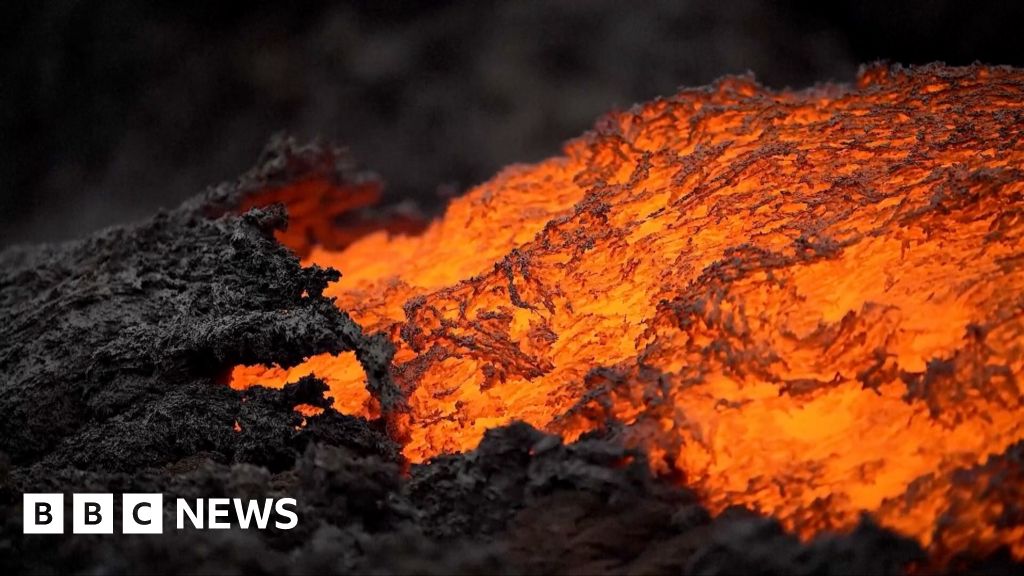
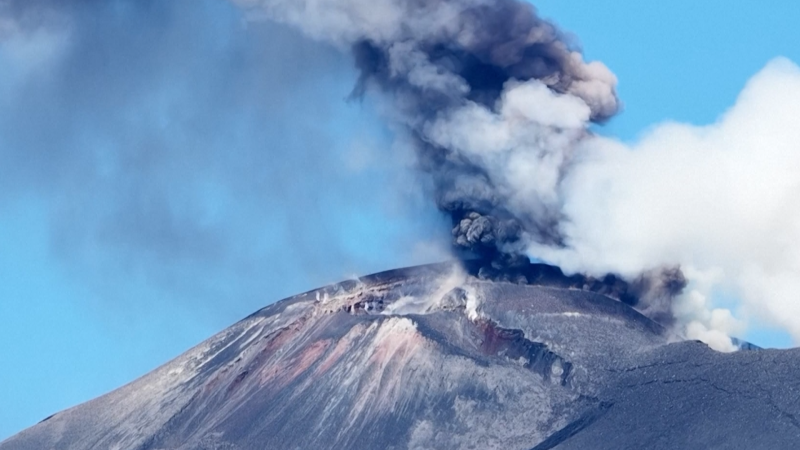
Mount Etna, Europe’s most active stratovolcano, has sustained eruptive activity for nine consecutive days. Centered in Sicily, this event underscores the complex interplay between active volcanism and regional logistical stability. According to the Etna Observatory (INGV), the eruption originated at a 3,000-meter altitude, with lava flows extending 300 meters below the rupture, necessitating ongoing geomorphological monitoring.
Logistical and Aviation Disruptions
Volcanic activity has triggered significant aviation disruptions, primarily due to atmospheric ash dispersal and safety constraints. These occurrences highlight the vulnerability of Sicily’s transit networks. Stakeholders must now integrate long-term volcanic risk mitigation into aviation operational protocols, ensuring seamless communication between geophysical monitoring agencies and commercial transport entities to minimize cascading economic losses.
Institutional Surveillance and Decision Support
The Etna Observatory serves as the primary node for translating granular geophysical data into actionable intelligence. By quantifying lava flow velocity and eruptive intensity, the agency provides the structural framework for civil protection decision-making. This data-driven approach is paramount for maintaining public safety during periods of heightened seismic volatility.
Infrastructure Resilience and Strategic Planning
Sicily’s economic reliance on tourism and air connectivity necessitates a critical assessment of infrastructure resilience. The recurring nature of Etna’s eruptions demands a pivot toward adaptive transport networks. Strategic investments in real-time sensor technology and flexible logistical frameworks are essential to insulate the regional economy from the periodic environmental disruptions inherent to residing in proximity to an active tectonic feature.
Synthesis: Modern Volcanic Risk Management
The ongoing eruption serves as an empirical case study in modern risk management. Success in navigating these events depends on the synergy between advanced monitoring systems and institutional response efficacy. The ability to maintain operational continuity amidst such natural volatility characterizes the current state of European geological hazard mitigation.