
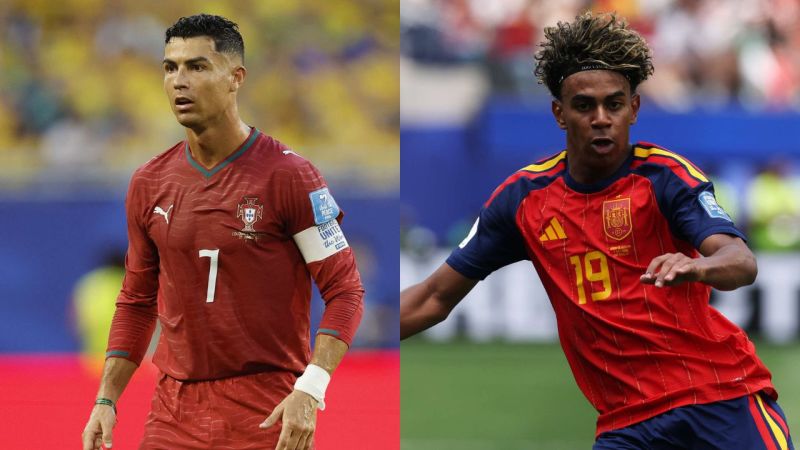
2026 World Cup Quarter-Finals: Portugal vs. Spain – A Strategic Nexus
The 2026 FIFA World Cup enters a pivotal quarter-final stage, with established contenders clashing. Alongside Morocco, France, Norway, and England, the remaining slots are fiercely contested, showcasing the inherent unpredictability and high stakes of elite international football.
The Portugal vs. Spain fixture exemplifies this pressure cooker environment. It is more than a regional rivalry; it’s a strategic duel between contrasting tactical systems, a battle for progression in a tournament marked by significant global investment and intense scrutiny.
Tactical Frameworks: Portugal vs. Spain
Portugal, managed by Roberto Martínez, appears to blend seasoned leadership with emerging talent. Deploying a solid core potentially including Diogo Costa, Rúben Dias, and Bruno Fernandes, they aim for structural integrity against Spain’s recognized preference for possession-based, fluid attacking patterns.
Luis de la Fuente’s Spain often emphasizes rapid transitions and verticality, leveraging dynamic players like Lamine Yamal and Nico Williams to exploit defensive gaps. Maintaining tactical consistency in their starting lineup suggests a focus on established team chemistry and optimizing defined performance metrics over radical tactical adjustments.
Economic Significance of Elite Matchups
The premium pricing for tickets in venues like Arlington, Texas, directly reflects the commercial value attributed to marquee international clashes. This dynamic underscores the broader economic model of the World Cup, where demand for high-profile games generates substantial revenue for host cities and FIFA.
Global media attention gravitates towards such encounters, amplifying sponsorship valuations and broadcasting rights. These matches act as significant economic drivers, demonstrating the intricate link between on-field performance and commercial leverage.
Institutional Context and Tournament Trajectory
The United States’ role as a co-host, particularly in the latter stages, signifies the sport’s expanding North American footprint. Managing these high-stakes fixtures across diverse locations demands meticulous operational planning from FIFA and local infrastructure partners.
As the tournament progresses, the imperative to secure victories becomes paramount, directly influencing the long-term institutional standing and strategic planning of national football federations. The outcome of Portugal vs. Spain will be a key indicator of the success of current coaching tenures and talent development pathways.
Generational Dynamics and Structural Play
The juxtaposition of established stars like Cristiano Ronaldo with rising talents such as Lamine Yamal highlights a generational shift within the sport. This narrative appeals to a broad spectrum of stakeholders, as individual performances influence both team success and the tournament’s overall market appeal.
The reliance on proven tactical frameworks by both teams suggests a risk-mitigation approach in high-pressure scenarios. Prioritizing defensive solidity and established patterns over aggressive tactical gambles aligns with a broader trend toward data-driven, risk-averse decision-making in modern football management.

Photo by grafmex on Pixabay.