The 2026 FIFA World Cup enters its critical knockout phase on Day 25, initiating the Round of 16. Beyond the immediate athletic stakes, this stage serves as a macro-level case study in sports entertainment economics, multi-platform media rights distribution, and tactical asset utilization within high-volume metropolitan hubs across North America.
The Media Rights Landscape and Distribution Architecture
Broadcasting rights for the 2026 tournament in the United States demonstrate a highly consolidated strategy designed to optimize multi-tiered linear and digital distribution. FOX Sports retains exclusive English-language rights to all 104 matches, executing a dual-funnel strategy across its linear channels (FOX and FS1) and its digital ecosystem via the FOX One application. This framework balances traditional television reach with direct-to-consumer digital conversion metrics.
Concurrently, NBCUniversal has mobilized its assets to capture the high-value Spanish-language demographic in the U.S. By routing traditional linear broadcasts through Telemundo and streaming access through Peacock, NBCUniversal leverages a dual-platform approach to navigate modern audience fragmentation. While virtual multichannel video programming distributors (vMVPDs) like YouTube TV and Fubo capture viewers through short-term trial acquisitions, over-the-air (OTA) high-definition digital antennas remain a vital zero-marginal-cost pipeline for cord-cutters accessing FOX’s main feed, satisfying FIFA’s broad-access distribution mandates.
Commercial and Tactical Dynamics of Brazil vs. Norway
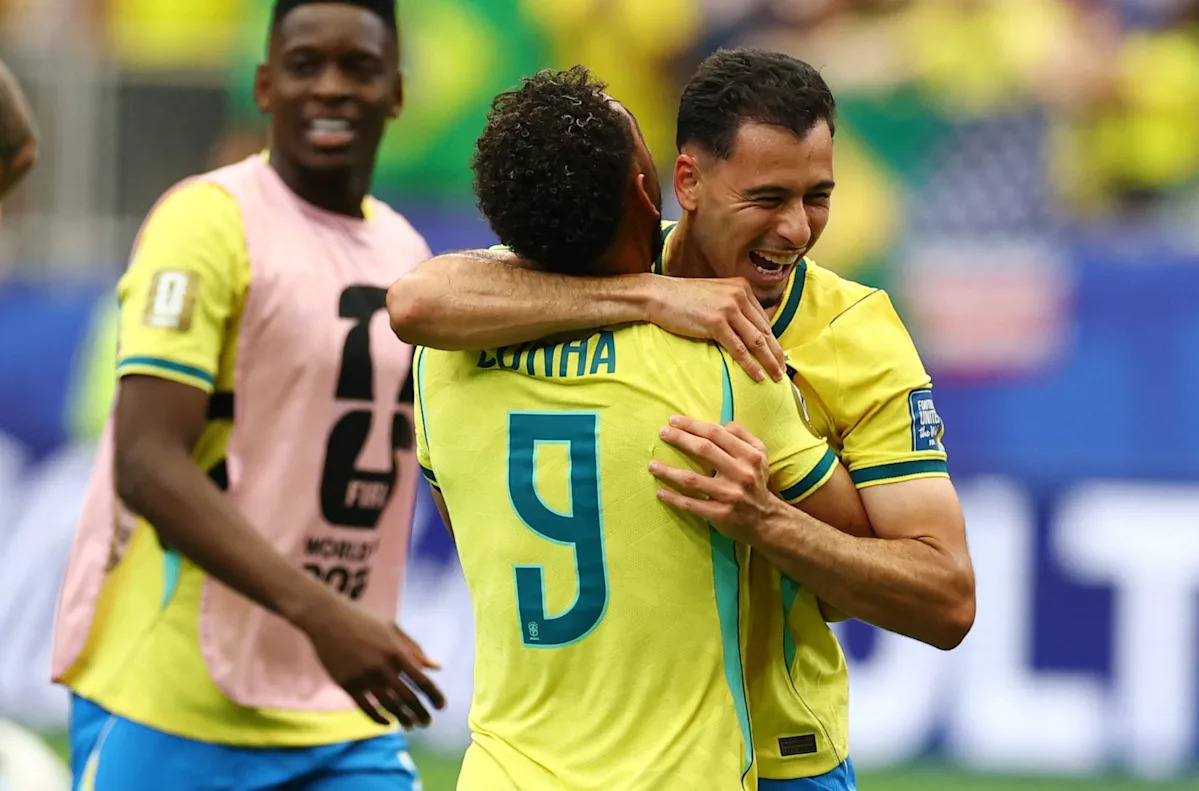
Staged at the New York New Jersey Stadium in East Rutherford, NJ, the Round of 16 fixture between Brazil and Norway offers a distinct contrast in squad construction. Brazil advanced from Group C with a 2-1-0 record before securing a stoppage-time victory over Japan in the Round of 32. Tactically, the Brazilian national team employs a decentralized attacking model, utilizing the creative gravity and individual qualitative superiority of Vinicius Junior to destabilize opposing defensive shapes.
Norway’s tactical blueprint, by contrast, relies on a highly centralized target-man dependency. Having progressed from Group I with a 2-0-1 record and a decisive victory against the Ivory Coast, Norway operates in a compact low-to-mid defensive block configured to isolate and release striker Erling Haaland on transitions. Haaland’s position at the top of the Golden Boot race with five goals validates this system, yet underscores Norway’s systemic vulnerability if opponents successfully sever his supply lines. Commercial interest in this match is elevated by local diaspora demographics in the New York metropolitan area and the historical resonance of their 1998 World Cup fixture.
The Geopolitical and Defensive Crucible: Mexico vs. England
In Mexico City, the hosting of an undefeated Mexican squad against England presents a high-stakes tactical and operational scenario. Mexico enters the Round of 16 with a clean defensive sheet, having not conceded a single goal. This defensive organization acts as a structural foundation, generating massive domestic audience engagement and inflating localized advertising spot rates.
England, led by striker Harry Kane, represents Mexico’s most severe tactical challenge yet. Tasked with breaking down Mexico’s disciplined low block in a hostile environment, England’s coaching staff faces intense institutional pressure from the Football Association to secure a deep tournament run. Operationally, the fixture serves as an audit of Mexico City’s transit, safety, and crowd management infrastructures, crucial for demonstrating its competency in hosting tier-one international sporting events.
Tournament Expansion and the Physical Toll of the Knockout Format
The transition to a 48-team tournament structure has fundamentally altered squad rotation dynamics. The insertion of the Round of 32 has added another high-intensity fixture to the bracket, compounding physical fatigue. Teams like Spain, who secured a comfortable 3-0 victory over Austria on Day 22, managed to preserve physical resources under manager Luis de la Fuente. Conversely, Brazil’s late-stoppage battle against Japan highlights the unequal distribution of physical fatigue heading into the later rounds.
This structural reality heightens the importance of sports science departments and load management protocols. While the expanded format has increased competitive variance—as shown by the participation of nations like Cape Verde and Ghana in the Round of 32—it demands deep rosters capable of sustaining performance across an extended competitive timeline.
The Digitalization of Fan Engagement and Predictive Modeling
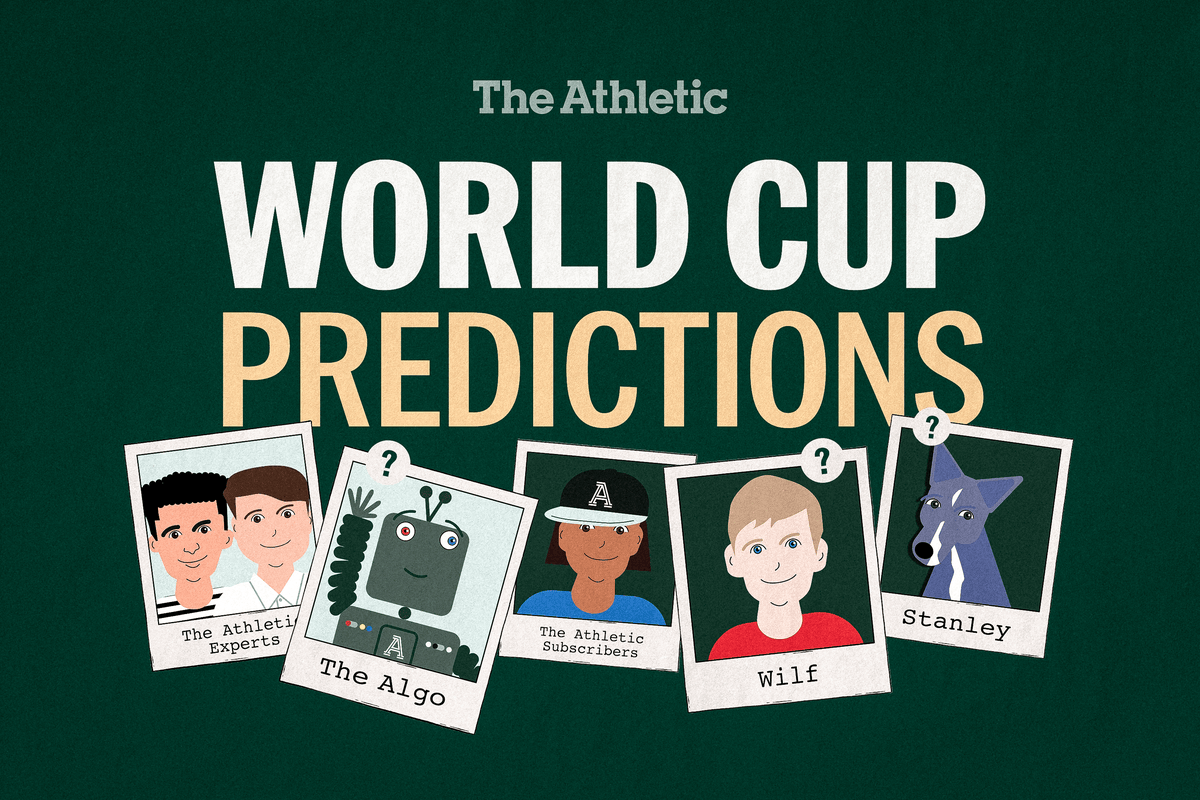
The sports media sector continues to integrate data analytics, algorithmic forecasting, and interactive user experiences. Outlets like The Athletic leverage proprietary predictive algorithms, such as “Algo,” to gamify bracket predictions against editorial experts and subscribers. This digital strategy drives platform retention, transforms passive viewership into active data points, and capitalizes on the growing integration of legal sports betting with traditional football journalism.