Eastern US Endures Record-Breaking Heatwave Amidst Health System Strain
An intense, multi-day heatwave is scorching the eastern United States, breaking temperature records and significantly elevating the risk of heat-related illnesses for over 165 million people. As the Fourth of July holiday weekend began, cities across the Mid-Atlantic and Northeast reported unprecedented highs. Washington D.C. registered 102°F, surpassing a 150-year-old record, underscoring the severe thermal stress on public health infrastructure and emergency services.
Major metropolitan areas face extreme conditions. Philadelphia and New York City are confronting temperatures nearing 100°F with heat indices projected to reach 105°F. Persistent high temperatures, with overnight lows in the mid-80s in some locations, offer little relief, intensifying physiological strain, particularly on vulnerable populations.
Health System Overload and Fatalities Highlight Acute Risk
The Centers for Disease Control and Prevention (CDC) has confirmed “extremely high rates of heat-related illness” in affected regions, signifying a critical public health emergency. This surge in emergency room visits threatens to overwhelm capacity, diverting essential resources. The strain on healthcare systems directly correlates with environmental conditions, demonstrating the critical link between climate and public health resilience.
The heatwave has tragically resulted in fatalities. In Bethel Township, Pennsylvania, a 68-year-old man succumbed to a heatstroke-induced heart attack after yard work in over 100°F heat. This incident emphasizes the direct, life-threatening danger of extreme heat, especially for those performing strenuous activity or with pre-existing conditions.
NWS HeatRisk Product Identifies Widespread Danger Zones
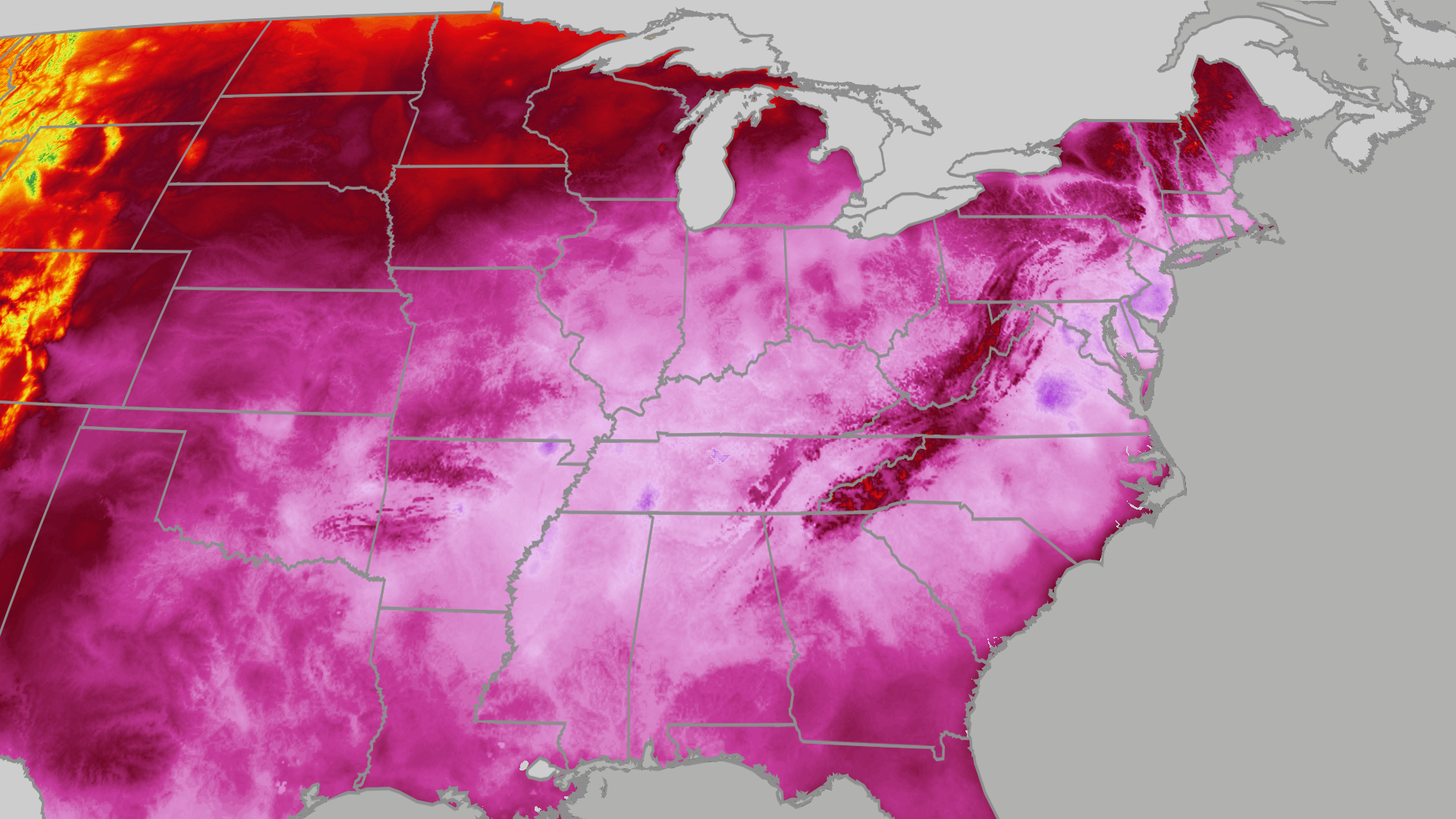
The National Weather Service’s experimental HeatRisk product categorizes over 165 million Americans in the Midwest and East as facing “major” or “extreme” heat-related health risks through July Fourth. This data-driven forecast enables targeted public health interventions and resource allocation, offering a nuanced understanding of heat threats beyond simple temperature readings by incorporating duration and intensity.
Extensive extreme heat warnings and advisories span the eastern U.S. from the Central Plains to the Northeast, signaling imminent or current dangerous heat conditions. This proactive communication is crucial for public safety and emergency management coordination.
Severe Storms Introduce Dual Threat
Compounding the heat, forecasts predict severe storms, particularly on Saturday afternoon and evening. Such storms, developing in hot, humid air, carry a heightened risk of becoming severe with damaging winds. This dual threat of extreme heat and severe weather creates a complex, dangerous environment demanding vigilance and coordinated emergency response.
The potential for severe storms presents an additional challenge for emergency management. Responders must prepare for both heat-related medical crises and storm impacts, such as power outages and property damage, requiring a flexible response framework for concurrent events.
Air Quality Degradation Poses Additional Health Hazard
Elevated temperatures are expected to worsen ground-level ozone formation, leading to unhealthy air quality, especially in the Washington D.C. area. This exacerbates respiratory conditions, further straining healthcare systems. Comprehensive public health guidance, including limiting outdoor exposure, staying hydrated, and seeking cool environments, is critical to mitigate the cumulative health impacts.
Long-Term Adaptation Needs for Urban Centers
The increasing frequency of extreme heat events, amplified by climate change, necessitates a re-evaluation of urban planning, infrastructure resilience, and public health preparedness. Dense, older urban centers like Washington D.C., Philadelphia, and New York are particularly vulnerable to the economic impacts of increased cooling demands, potential transportation disruptions, and escalating health emergency response costs.
Data from the CDC and NWS highlights a trend of intensifying extreme weather. Strategic investments in climate adaptation, including expanding urban green spaces, enhancing building codes for heat resilience, and strengthening public health surveillance, are essential for the long-term viability and safety of these urban populations in a changing climate.