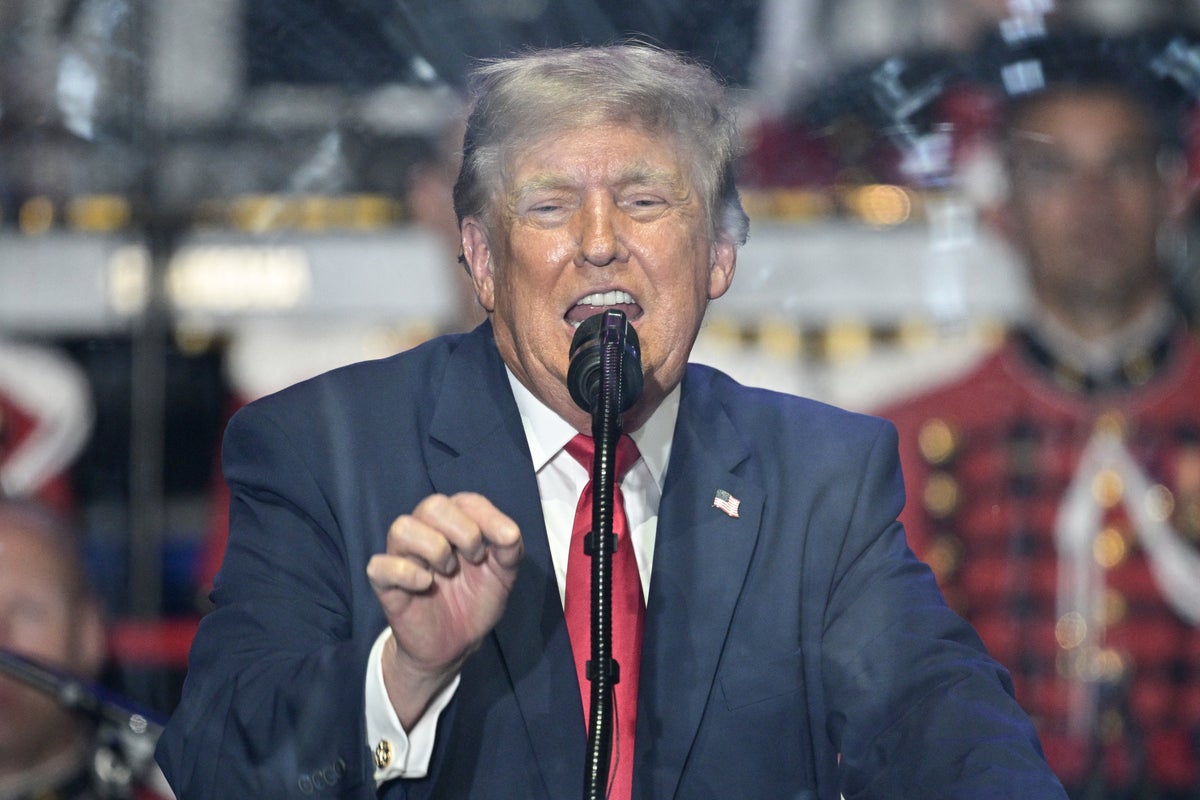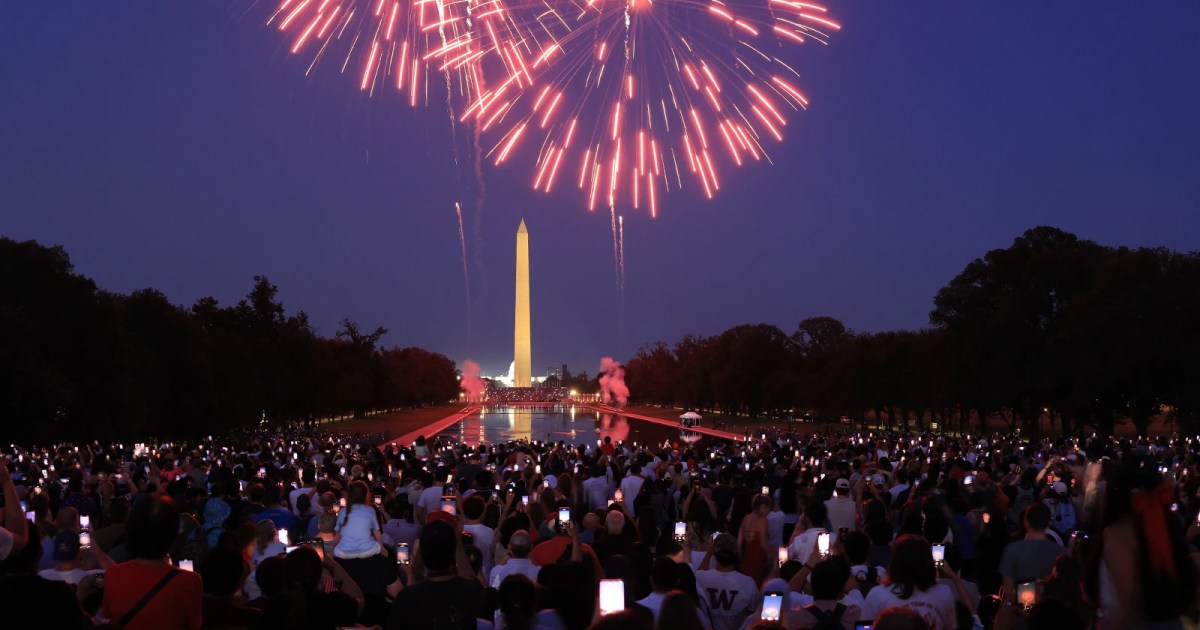
The July Fourth celebration on the National Mall, envisioned as a cornerstone of the nation’s 250th anniversary, faces significant operational strain. The convergence of extreme weather forecasts, intensive security protocols, and last-minute staffing challenges has prompted concerns among public safety experts regarding the event’s viability. This celebration serves as a high-stakes test case for managing national commemorations when merged with high-profile political agendas.
Operational preparations have been hindered by the dual complexity of managing a large-scale pyrotechnic display alongside presidential security requirements. Sources familiar with the planning confirm that infrastructure contractors were actively recruiting crowd management personnel merely days before the event, signaling compressed timelines and organizational pressure.
The integration of presidential security protocols into a standard public event fundamentally alters the National Mall’s operational baseline. Typically managed under federal and municipal public safety guidelines, the event now necessitates restrictive access controls and multi-agency coordination, complicating crowd flow and emergency response times.
Institutional Shifts and Organizational Friction
The transition of oversight from the bipartisan, Congressionally chartered America 250 group to the Trump-affiliated nonprofit Freedom 250 has introduced significant friction. This structural pivot has impacted stakeholder confidence, with multiple artists withdrawing from the programming due to concerns over the event’s partisan alignment rather than traditional commemorative intent.
This shift from public-sector oversight to a private, politically aligned model disrupts long-standing collaborative frameworks between federal agencies and municipal authorities. Such organizational discontinuities have historically led to communication gaps, which are now manifesting in the reported difficulties during site assembly.
Operational Risks in Extreme Weather
Forecasts projecting temperatures approaching 100 degrees pose severe public health risks, particularly given the anticipated duration of the “Salute to America” program. Sustained exposure to extreme heat requires robust medical staging and rapid-response infrastructure, which face additional constraints due to the event’s rigid security perimeter.
Furthermore, the large-scale fireworks planned for high-temperature, low-wind conditions could degrade local air quality. Environmental monitoring is critical to mitigate respiratory risks for attendees, yet the scale of the event may overwhelm local emergency medical transport networks if heat-related incidents surge.
The Precedent of Recent Logistical Challenges
The execution of this event is being viewed through the lens of the “Great American State Fair,” also organized by Freedom 250. That event suffered from significant discrepancies between claimed and actual attendance, alongside operational delays. The reliance on an organizing team that recently navigated public perception issues and modest turnout raises questions regarding their capacity to manage the vastly more complex logistical demands of the National Mall.
Administrative Response and Information Management
Administrative efforts to sanitize the public image of previous Freedom 250 events—such as the removal of photographic records showing sparse crowds—underscore a highly centralized and sensitive communication strategy. By prioritizing digital image curation over addressing the underlying logistical shortfalls, the administration risks further alienating professional event stakeholders and complicating transparency standards.
Downstream Implications for Future Programming
The patterns established during these July Fourth preparations will likely influence the success of future Freedom 250 initiatives, including the proposed “Freedom 250 Grand Prix.” These projects require sophisticated traffic management and municipal compliance. Continued staffing shortages and coordination friction may lead local authorities to impose more stringent regulatory oversight, increasing costs and complicating the viability of future high-profile programming.
Synthesis
The pivot from bipartisan, institutionally led commemorations toward private, politically curated events carries long-term consequences for national civic infrastructure. The success of the July Fourth event will serve as a definitive benchmark for municipal and federal agencies, highlighting the necessity of long-term planning and insulating public safety logistics from shifting political narratives.