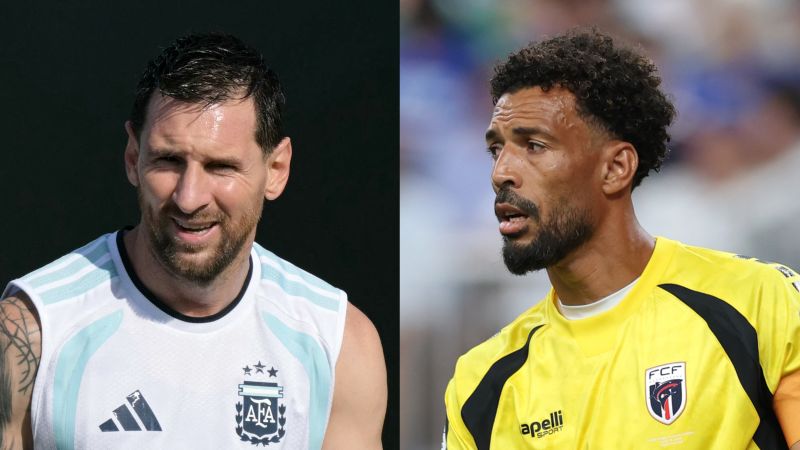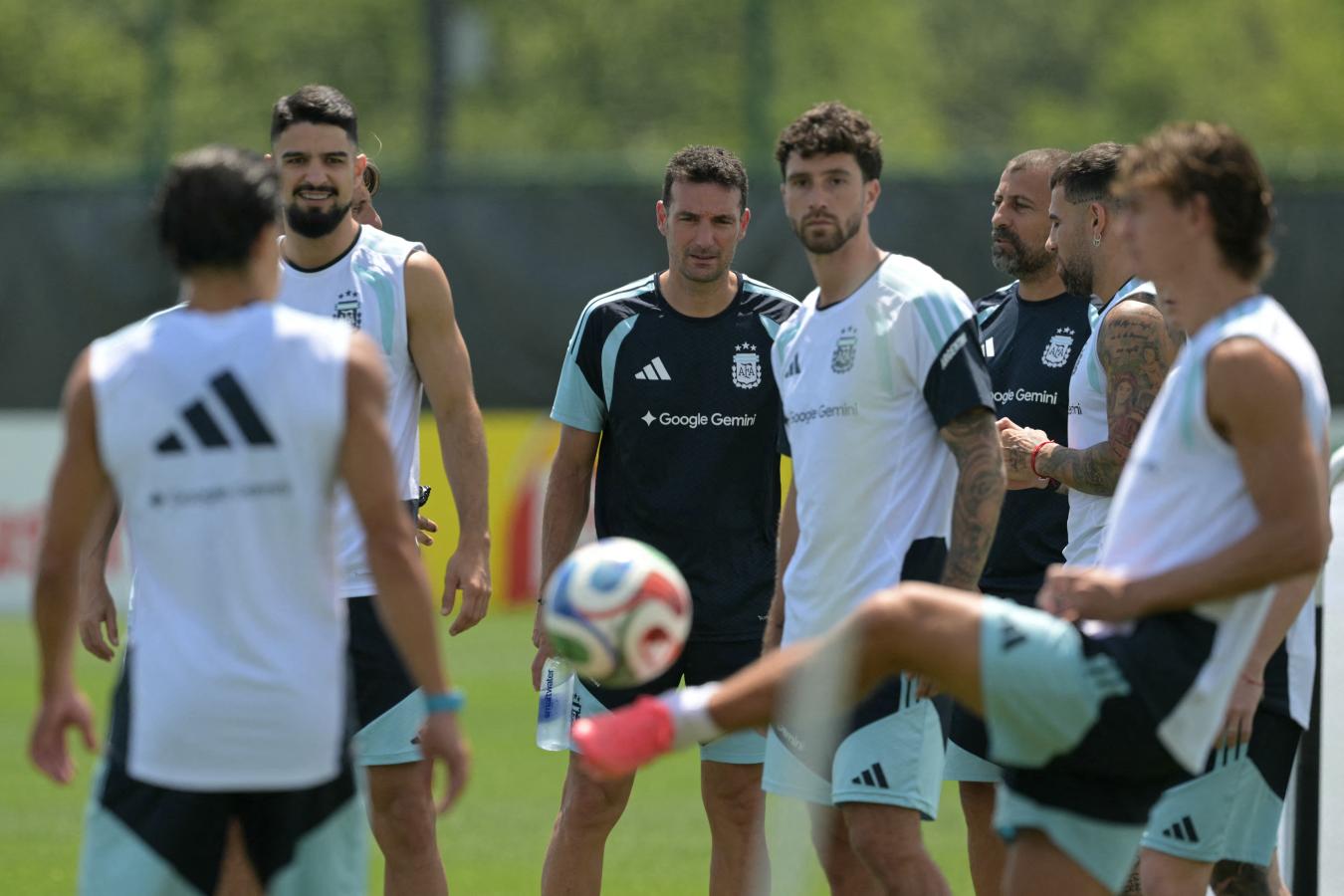
The Round of 32 fixture between Argentina and Cape Verde at Hard Rock Stadium represents a profound intersection of established footballing hegemony and the emergence of a systemic disruptor. Argentina, the defending champion, enters the knockout phase tasked with maintaining institutional stability against a Cape Verde side that has effectively redefined the competitive ceiling for emerging nations. This match serves as a strategic benchmark for Lionel Scaloni, whose 100th match at the helm underscores a period of rare structural coherence within the Argentine Football Association.
Scaloni’s Centennial: Tactical Continuity and Rhythmic Restoration
Reaching the 100-match milestone during a World Cup title defense validates the long-term planning that has neutralized the historical volatility of Argentine management. Following a rotated lineup against Jordan, Scaloni’s return to a primary starting XI is a calculated effort to re-establish tactical rhythm. After a flawless group stage against Algeria, Austria, and Jordan, the technical staff is now prioritizing the restoration of high-intensity passing lanes and defensive transitions essential for the knockout hierarchy.
Defensive Modernization: The Medina-Romero Pivot
The most significant structural adjustment is the inclusion of Facundo Medina at left-back over Nicolás Tagliafico. This selection signals a shift toward physical dynamism and progressive ball-carrying capacity. Complementing this is the return of Cristian ‘Cuti’ Romero alongside Lisandro Martínez. By benching Nicolás Otamendi, Scaloni has opted for a proactive, high-line defensive configuration that relies on the recovery speed and aggressive anticipation of the Romero-Martínez partnership to nullify Cape Verde’s vertical counter-attacks.
Offensive Meritocracy: Lautaro’s Retention and Messi’s Trajectory
In the attacking third, Lautaro Martínez’s selection over Julián Álvarez for a fourth consecutive match reinforces a rigid performance-based hierarchy. While Álvarez offers tactical versatility, Martínez’s consistent output provides a stable focal point, allowing Lionel Messi to operate within his optimized playmaking corridors. Messi, currently the all-time leading World Cup scorer with 19 goals, remains the central figure in both Argentina’s tactical framework and the tournament’s commercial narrative as he competes with Kylian Mbappé for the Golden Boot.
Cape Verde: The Mechanics of an Elite Underdog
Cape Verde’s ascent to the Round of 32—the smallest nation to do so—is the result of disciplined defensive organization that secured draws against Spain and Uruguay. Their technical staff has implemented a radical five-player overhaul for this fixture, introducing Moreira, Sidny Lopes, Laros Duarte, and Jovane Cabral. This shift toward a more robust, physically demanding midfield is designed to disrupt Argentina’s possession-based game, forcing the Albiceleste into low-percentage areas while seeking to exploit transitions through Nuno Da Costa.
Logistical Hegemony and Global Parity
The choice of Miami Gardens as the venue leverages Argentina’s massive North American diaspora, creating a psychological ‘home’ environment that facilitates commercial and competitive dominance. However, the success of African nations like Egypt—who await the winner in Atlanta—highlights a narrowing gap in global tactical preparation. Argentina must navigate this fixture not just as a favorite, but as a side facing the reality of increased global parity, where strategic execution frequently outweighs historical prestige.