The Intersection of Presidential Legacy and Public Infrastructure
President Donald Trump’s visit to Mount Rushmore ahead of the nation’s 250th anniversary serves as a focal point for analyzing the limits of executive authority regarding federal monuments. While there has been public discourse surrounding the potential addition of a fifth bust to the granite faces of the Black Hills, the proposal remains constrained by long-standing geological and structural realities documented by sculptor Gutzon Borglum in 1936. These physical limitations serve as a fixed barrier, rendering such expansion technically unfeasible regardless of political intent.
Operational Constraints and Resource Allocation
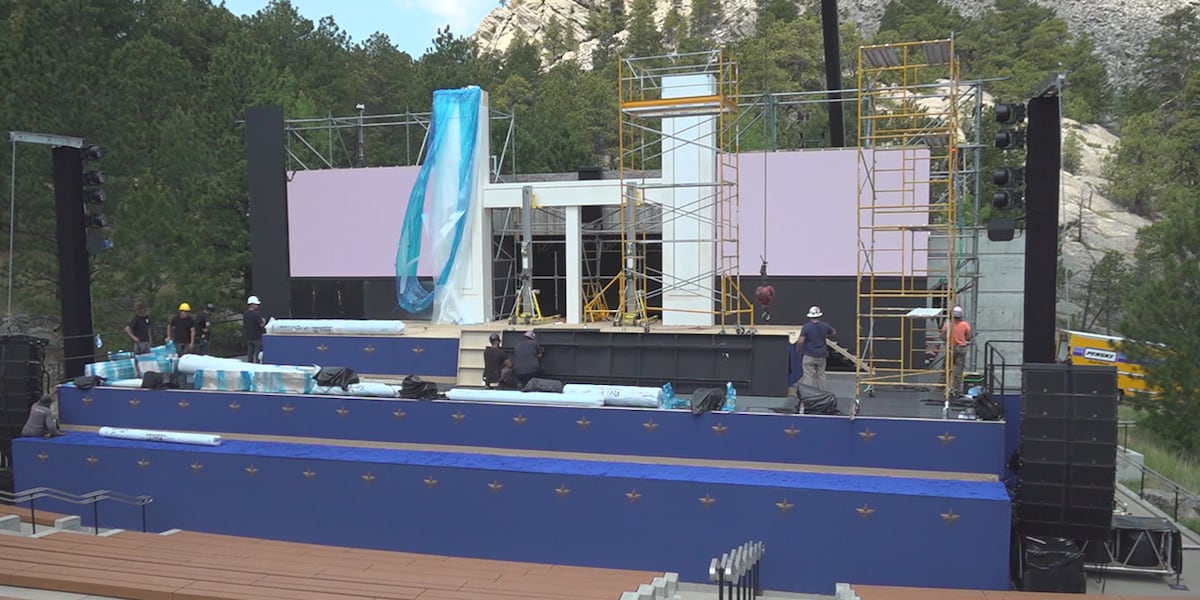
The logistical orchestration of a presidential visit involves significant friction between high-profile political events and public access to federal land. The conversion of a national memorial into a restricted venue necessitates a complex reallocation of operational resources. Furthermore, the resumption of large-scale fireworks displays—a practice previously halted due to wildfire risks within the Black Hills National Forest—illustrates an operational pivot that requires a meticulous balancing of ceremonial objectives against environmental safety protocols and regional land-management mandates.
Governance and Constitutional Scrutiny
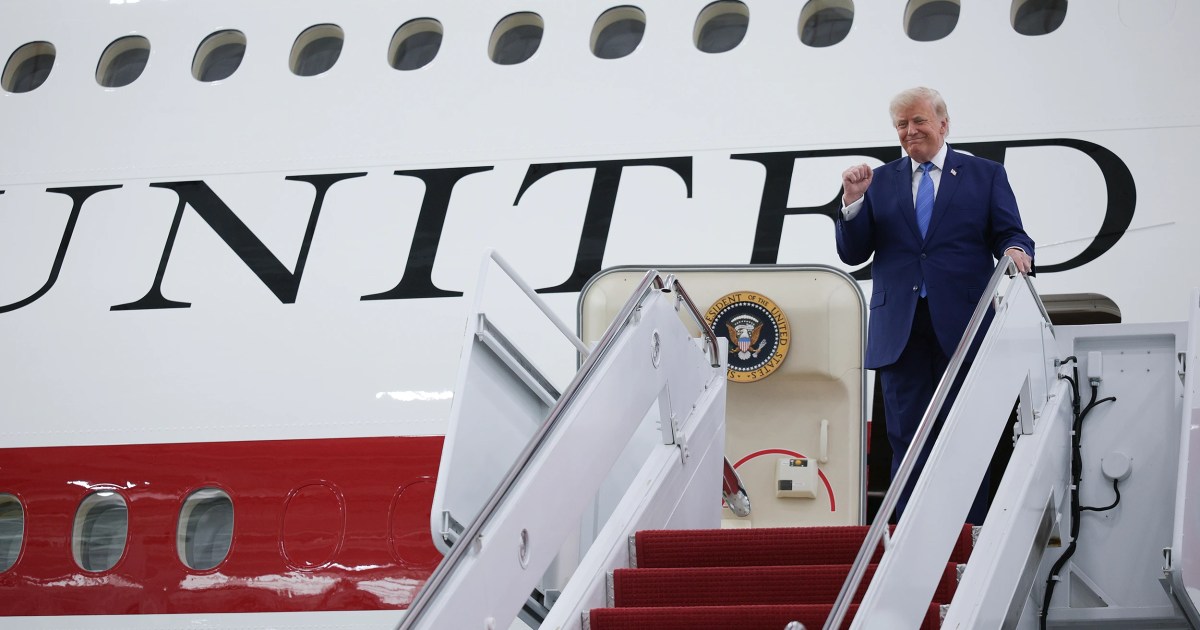
The administrative aspects of the visit have invited scrutiny regarding constitutional boundaries, specifically the Foreign Emoluments Clause. Reports detailing the use of high-value transport assets linked to foreign entities highlight the critical need for institutional transparency. This arrangement underscores the ongoing discourse surrounding how executive governance manages potential conflicts of interest, particularly concerning the use of assets that occupy a blurred space between private benefit and government-related function during a presidential tenure.
Symbolic Governance and Institutional Guardrails
Efforts to imprint personal or political identity onto federal landmarks represent a broader strategy of legacy building that often clashes with established administrative norms. While these symbolic gestures are intended to solidify political identity, they function as a case study in the durability of institutional guardrails. The resistance of the physical landscape—and the legal frameworks governing public property—highlights that even in a climate of intense political polarization, the executive branch remains subject to immutable historical and constitutional constraints that limit the projection of individual power onto the nation’s infrastructure.