
The Transition to Single-Elimination Dynamics
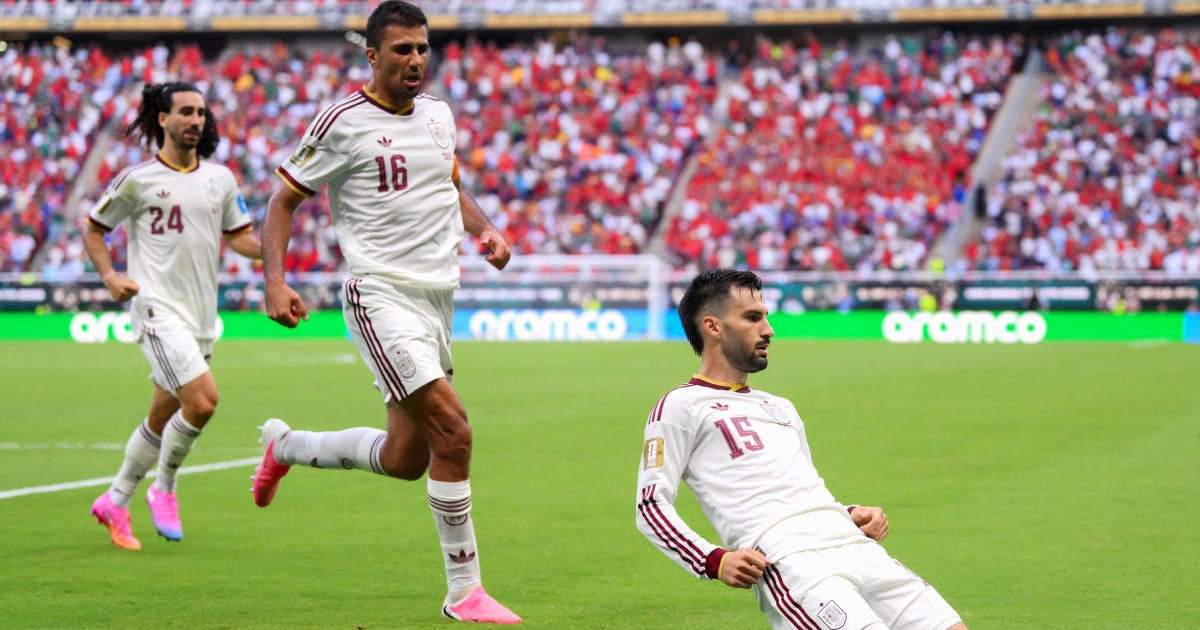
The 2026 FIFA World Cup has advanced to the Round of 32, a critical threshold where the tournament’s 48-team entry is distilled into a single-elimination bracket. This phase shifts the competitive calculus; defensive discipline now serves as the primary hedge against elimination. Spain, having emerged from the group stage with an unblemished defensive record, exemplifies the tactical shift toward controlled possession—a philosophy anchored by the midfield precision of players like Álex Baena.
High-Stakes Tactical Clashes
The bracket structure creates immediate stylistic friction, exemplified by the Portugal-Croatia encounter. This fixture pits the veteran tactical intelligence of Cristiano Ronaldo and Luka Modrić against one another, placing intense pressure on squad depth. Concurrently, the Spain-Austria match serves as an empirical test for the Spanish backline. Austria’s progression, spurred by a high-variance 3-3 draw against Algeria, signals a willingness to aggressively dismantle defensive structures, contrasting sharply with the methodical, low-risk approach preferred by the Spanish coaching staff.
Regulatory Risks in Digital Ticketing
Operational stability is currently under threat from external legal challenges. A federal class-action lawsuit filed in New York alleges that StubHub engaged in deceptive trade practices, specifically regarding the failure to fulfill confirmed ticket orders for group-stage matches. Plaintiffs Julia Reeker Moghal and Reuben Renteria assert that these fulfillment gaps represent a systemic collapse of supply-side management. The outcome of this litigation could redefine liability standards for secondary ticketing platforms operating within the high-demand, high-volatility ecosystem of global mega-events.
Logistical Complexity and Audience Engagement
The tournament’s geographic distribution across cities like Los Angeles, Atlanta, and Seattle necessitates a sophisticated logistical framework. This dispersion influences broadcasting engagement, with rights holders—such as FOX and Telemundo—leveraging the Round of 32’s heightened stakes to maximize viewership retention. The transition into the knockout stages typically coincides with a measurable increase in fan interest, providing a consistent media presence that supports the commercial viability of the 2026 expansion format.
Long-Term Implications for Sports Governance
The legal scrutiny of secondary marketplaces serves as a bellwether for future tournament operations. Should the court validate the claims against StubHub, it would likely trigger a rigorous industry-wide re-evaluation of third-party resale regulations. For FIFA and its partners, the challenge remains balancing commercial reach with the protection of the consumer experience. The ultimate legacy of the 2026 World Cup will be shaped equally by the technical quality of its matches and the administrative integrity of its ticketing operations as the competition narrows toward the quarter-finals.

Photo by grafmex on Pixabay.