Operational Dynamics of the 2026 Knockout Stage
The 2026 FIFA World Cup has transitioned from group-stage accumulation to a high-variance binary survival model. This shift mandates a strategic recalibration, where tactical conservatism is increasingly sacrificed for high-reward offensive surges. For teams like England, Belgium, and the United States, the narrowing margin for error dictates a new emphasis on squad rotation and rapid tactical adjustments under intense physical and psychological duress.
Competitive Implications of Tactical Adjustments
England’s victory over DR Congo underscored the necessity of structural fluidity. By redeploying Jude Bellingham to a deeper, central role to penetrate low-block defenses, England prioritized tactical control over rigid formation. This move reflects a broader trend: elite playmakers are now primary tools for dismantling containment-based systems. Simultaneously, veteran reliance—as seen in Harry Kane’s late-match composure—serves as a critical hedge against the inherent volatility of knockout football.
Institutional and Financial Stakes for Host Nations
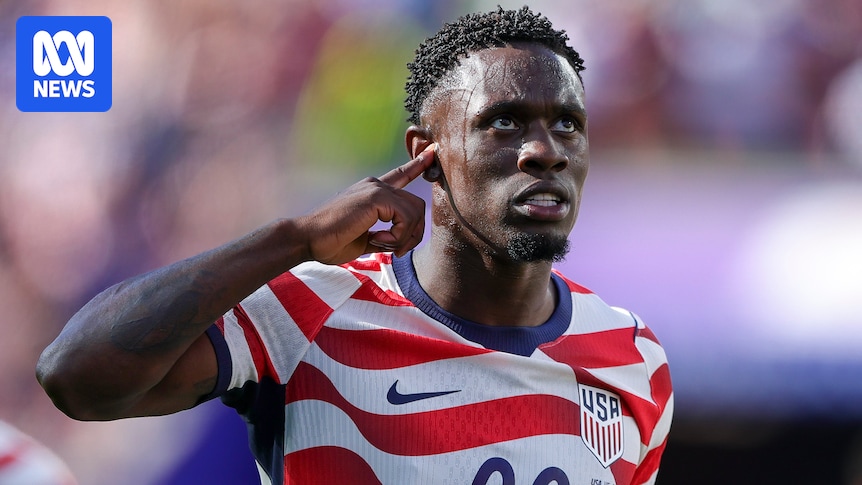
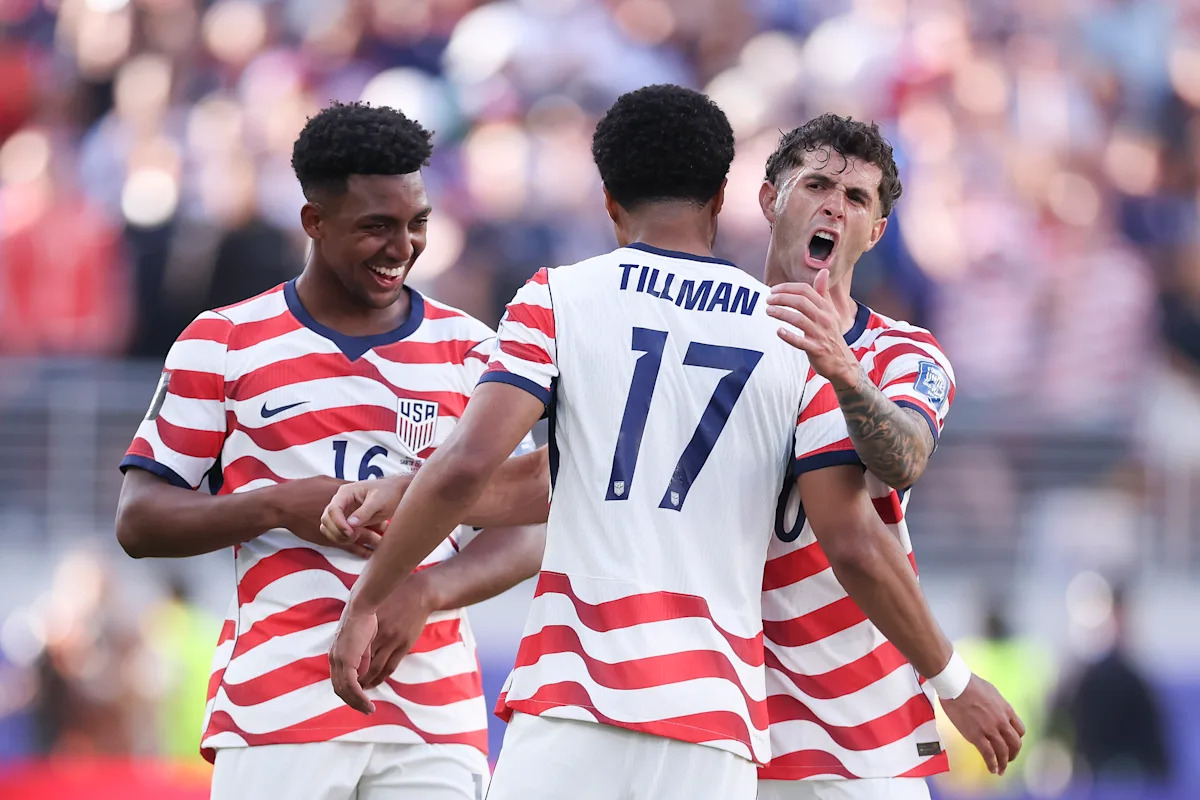
For the United States, progression to the Round of 32 is a pivot point for both institutional prestige and commercial growth. Utilizing venues like San Francisco Bay Stadium leverages significant infrastructure investments while maximizing domestic engagement. However, the ‘home-soil’ variable introduces unique performance pressures; successfully balancing fan-driven momentum with disciplined tactical execution is now a prerequisite for continued advancement and financial scaling.
The Economics of Late-Game Volatility
Belgium’s comeback against Senegal serves as a masterclass in how high-variance events—such as late-match officiating decisions and VAR interventions—redefine tournament trajectories. These moments create systemic financial risk, potentially altering the ROI for federations that have calibrated years of resource allocation toward a single high-stakes window.
Strategic Resource Allocation
The 2026 logistical model, spanning diverse climates from Atlanta to Seattle, mandates elite environmental and travel management. Teams that master rapid acclimation gain a distinct competitive edge. The performance of underdog nations, such as Bosnia and Herzegovina, highlights an increasing competitive parity, forcing established hierarchies to constantly refine their preparation strategies to mitigate the risk of disruption.
Market and Media Influence
Centralized broadcasting models, exemplified by FOX’s multi-platform strategy, are essential for aggregating fragmented viewer data. These engagement metrics are currently dictating the future value of commercial partnerships. As the tournament progresses, maintaining this narrative momentum is critical for sustaining the high viewership levels required to maximize long-term institutional value.
Conclusion
As the Round of 32 concludes, success depends on the synergy between tactical agility and operational resilience. The decisions made regarding player health and risk management over the coming matches will determine which nations navigate the escalating intensity of the final phases, ultimately defining the legacy of the 2026 World Cup.