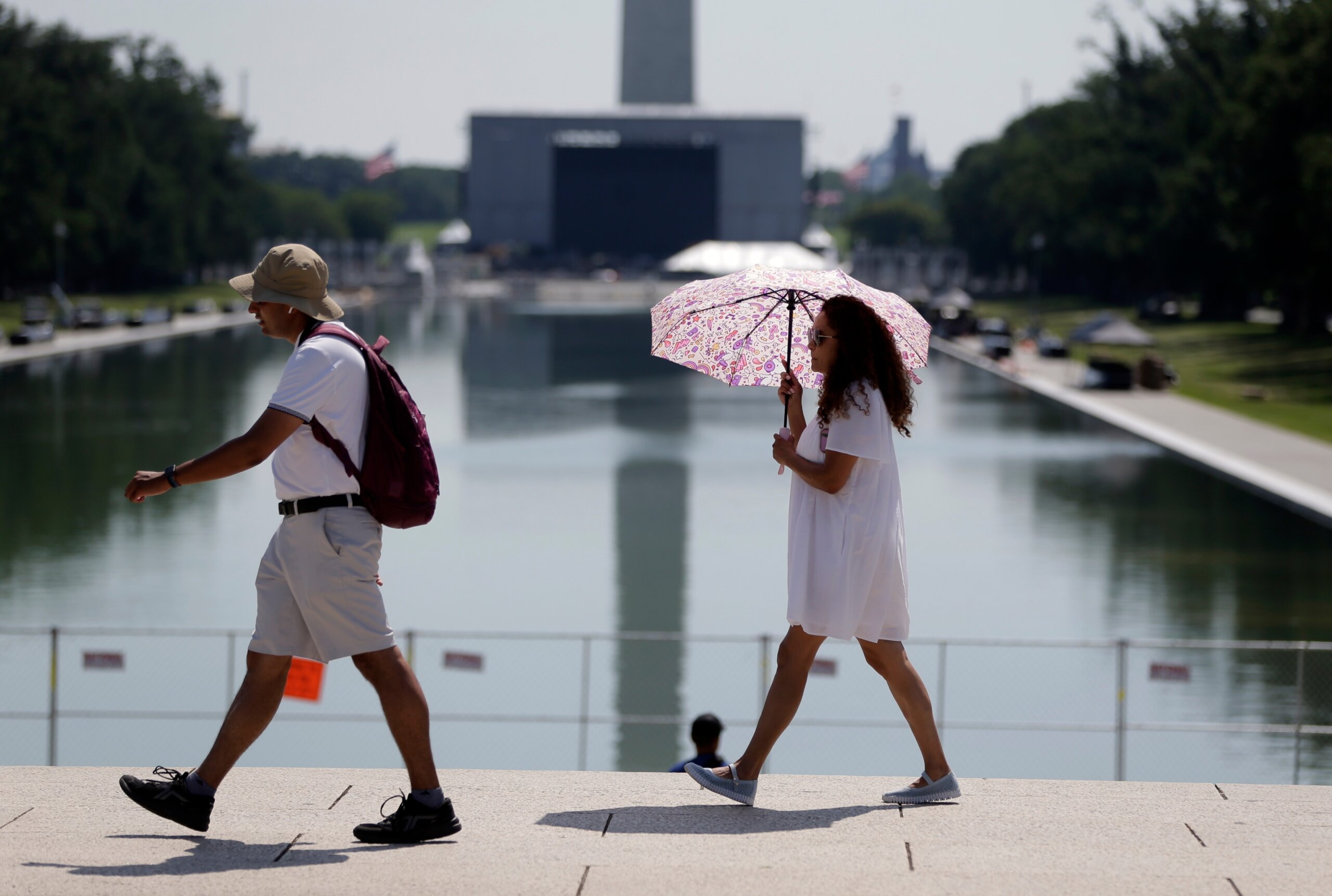
Nationwide Heatwave Triggers Widespread Alerts Amidst Record Temperatures
An intense and dangerous heatwave is currently engulfing a vast expanse of the United States, placing approximately 200 million individuals under extreme heat alerts. This pervasive phenomenon highlights a critical climatic challenge, necessitating urgent public health and infrastructure resilience measures.
The National Weather Service has issued comprehensive heat advisories across the Washington D.C. metropolitan area, signaling a critical period of sustained elevated temperatures. Meteorologists emphasize the event’s intensity, duration, and severity, demanding proactive public safety protocols.
Projected temperatures in the D.C. area are set to reach extreme highs: 101°F on Thursday, 103°F on Friday, and 102°F on the Fourth of July holiday. These figures represent a significant departure from climatological norms, posing substantial risks to vulnerable populations and straining energy grids.
The heat index, a crucial measure of perceived temperature combining heat and humidity, is forecast to be particularly severe. On the Fourth of July, the heat index could soar between 100°F and 107°F, with oppressive conditions persisting into the evening, potentially feeling like 95°F to 100°F at 10 p.m.
While the D.C. metropolitan area is largely expected to remain dry, isolated late-day storms are possible, carrying the threat of damaging wind gusts. This presents a dual meteorological hazard alongside the extreme heat.
Post-holiday, temperatures are anticipated to moderate slightly in outlying suburbs, dropping into the 70s. However, urban centers like D.C. are forecast to retain warm and humid conditions with highs in the 80s, indicating a prolonged period of discomfort and heightened risk.
Thursday is identified as potentially one of the hottest days in years for the D.C. area, underscoring the exceptional nature of this heat event. This sustained extreme heat places considerable stress on public health systems, emergency services, and critical infrastructure, particularly the energy sector.
Operational and Infrastructure Strain
The sustained high temperatures and elevated heat index values exert immense pressure on the nation’s energy infrastructure. Increased demand for air conditioning can lead to critical grid strain, elevating the risk of brownouts or blackouts. Utility companies face significant operational challenges in load balancing and ensuring grid stability during these peak demand periods.
Furthermore, prolonged exposure to extreme heat has direct implications for public health services. Hospitals and emergency medical facilities must prepare for an anticipated surge in heat-related illnesses, including heat exhaustion and heatstroke. This necessitates pre-positioning of resources, staff augmentation, and robust public awareness campaigns, especially for outdoor workers and those without adequate cooling.
The agricultural sector faces significant operational and financial exposure. Prolonged heat and drought can severely impact crop yields, potentially leading to consumer price increases and farmer economic losses. Water management becomes a critical concern as increased irrigation demand strains local water resources.
Economic and Social Implications
Economic ramifications extend beyond immediate utility costs and healthcare expenses. Reduced productivity due to heat stress, particularly in outdoor industries like construction and agriculture, can cause measurable economic slowdowns. Businesses may incur additional operational costs through adjusted work schedules or enhanced cooling measures for employees.
The social impact is equally significant, affecting daily life and recreational activities. Public events, including Fourth of July celebrations, may face cancellations or modifications due to safety concerns. Vulnerable populations, including the elderly, young children, and individuals with pre-existing health conditions, are at heightened risk, necessitating targeted outreach and support services.
The increasing frequency and intensity of such extreme heat events raise broader questions about climate change adaptation and urban planning. Cities may need to invest in green infrastructure, such as expanded tree canopy and cool pavement technologies, to mitigate the urban heat island effect and enhance resilience to future heatwaves.
Strategic Considerations for Public Health and Infrastructure
Public health agencies must reassess and enhance emergency preparedness protocols, including strengthening public communication channels, coordinating with healthcare providers, and ensuring the availability of cooling centers. The strategic imperative is to foster proactive, resilient public health frameworks capable of addressing recurring extreme weather events.
Energy providers face the challenge of strategic investment in grid modernization and energy source diversification to better withstand peak demand and potential supply disruptions, exploring advanced energy storage and enhanced grid interconnectivity.
This heatwave serves as a stark reminder of the interconnectedness of environmental, public health, and economic systems. Sustained high temperatures and widespread alerts underscore the need for integrated strategies addressing the multifaceted impacts of extreme weather, from immediate public safety to long-term infrastructure resilience and climate adaptation planning.
The sheer scale of the alerts, covering approximately 200 million people, indicates systemic vulnerability to climatic shifts. This broad exposure necessitates a coordinated response involving federal, state, and local authorities, alongside private sector stakeholders, to manage the immediate crisis and build long-term resilience against increasingly frequent and intense heat events.
The potential for damaging wind gusts from isolated storms adds complexity to emergency response planning. This dual threat requires comprehensive public safety messaging and resource allocation, addressing both immediate heat-related risks and potential storm damage.
The projected heat index values, even after sunset, underscore the pervasive nature of the heat and limited expected relief. Prolonged exposure poses significant health risks, particularly for individuals lacking adequate cooling or required to work outdoors.
Thursday’s classification as potentially one of the hottest days in years for the D.C. area suggests a potential breach of historical temperature records, acting as a critical indicator of changing climate patterns and necessitating re-evaluation of infrastructure and public health guidelines.
Strategic response involves not only immediate public advisories but also long-term planning for climate resilience, including investments in temperature-resilient infrastructure, robust public health early warning systems, and community-level preparedness initiatives.
The economic impact of prolonged heatwaves can be substantial, affecting sectors from agriculture and tourism to energy consumption and labor productivity. Quantifying these impacts is crucial for developing effective mitigation and adaptation strategies that safeguard economic stability.
Media’s role in disseminating accurate, timely information on heat advisories and safety precautions is paramount for public understanding and protective action during dangerous conditions.
The widespread nature of the alerts signals a national-level challenge requiring a coordinated, comprehensive approach. This includes sharing best practices, investing in research for improved extreme weather prediction, and implementing policies promoting climate change mitigation and adaptation.
The Fourth of July holiday presents a particular challenge due to typical outdoor gatherings. Elevated heat index necessitates strong public safety messaging to ensure safe holiday activities, or appropriate modifications, to account for extreme conditions.
The persistence of warm, humid conditions in urban centers, contrasting with suburban temperature drops, highlights the urban heat island effect. This phenomenon exacerbates heatwave impacts in densely populated areas, requiring targeted urban planning and public health interventions.
The cyclical nature of these heat events, potentially lasting into Sunday, indicates a broader climatic trend requiring a strategic shift towards long-term resilience planning over solely short-term crisis management.
Implications for public transportation and outdoor workforces are significant. Extended extreme heat can disrupt services and necessitate adjusted work schedules and safety protocols to protect workers from heat-related illnesses.
Financial markets may react to prolonged extreme weather, particularly if it impacts key sectors like agriculture or energy. Companies with significant climate-related risk exposure may face investor scrutiny regarding their resilience and adaptation strategies.
Institutional responses from meteorological services and public health organizations are critical for providing data and guidance for effective public safety measures. Accurate forecasting and communication directly influence preparedness and response effectiveness.
The long-term strategic challenge involves integrating climate resilience into all planning levels, from individual household preparedness to national infrastructure development. This proactive approach is essential to mitigate escalating risks associated with extreme weather events.
This heatwave serves as a critical data point for understanding the evolving climate landscape and its tangible impacts on daily life and economic activity. Widespread alerts signal a need for increased focus on climate adaptation and mitigation strategies across all sectors.