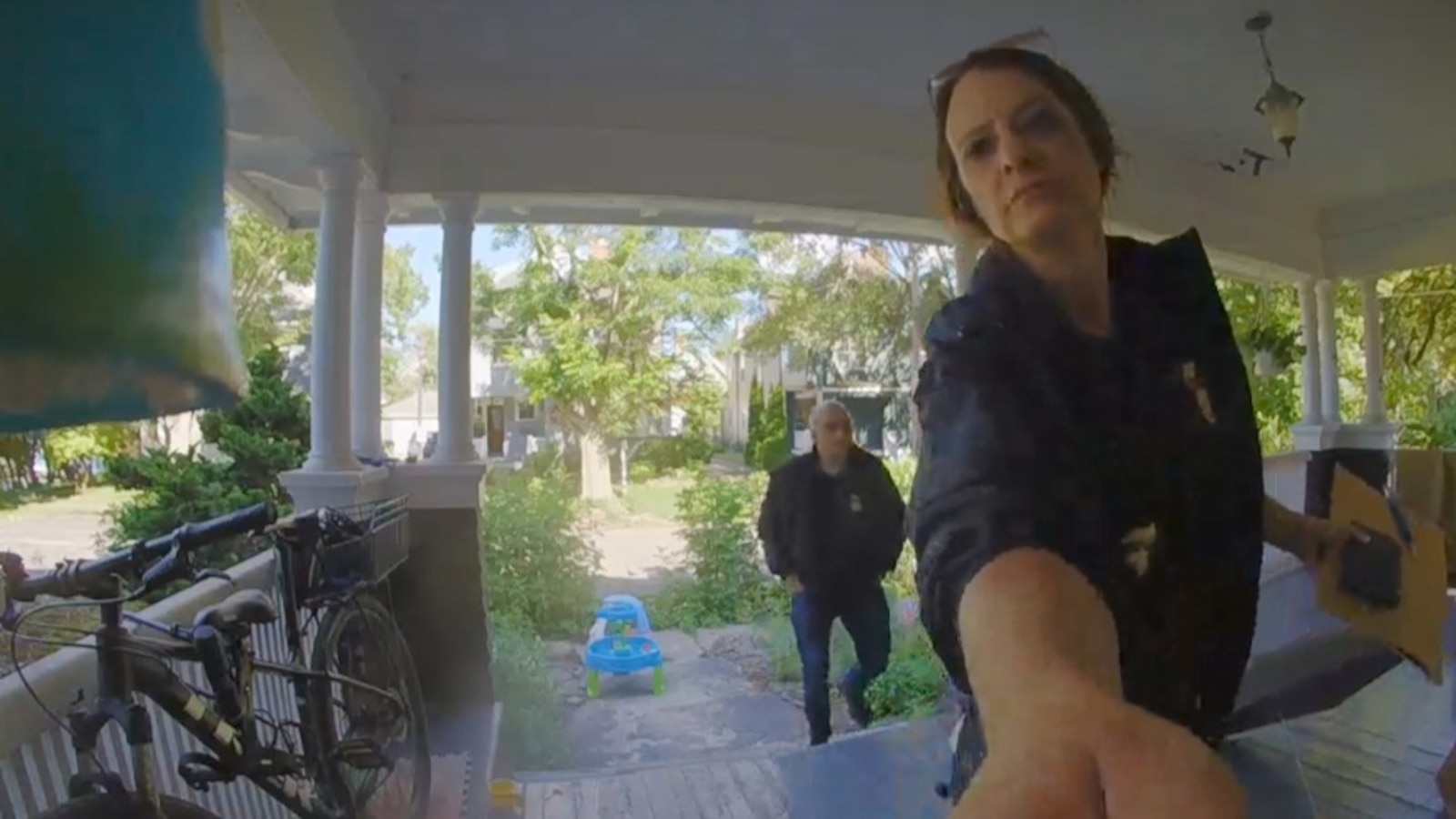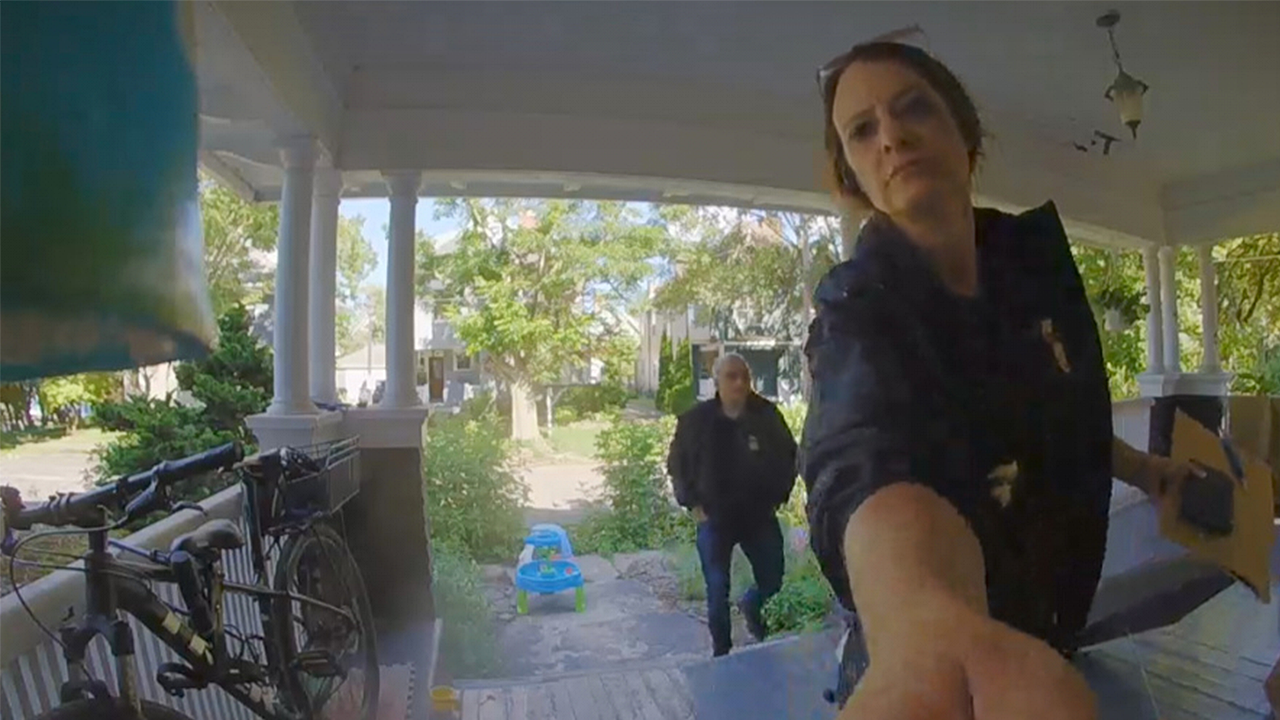
The recent deployment of Homeland Security Investigations (HSI) agents to the private residences and workplaces of individuals who criticized U.S. Immigration and Customs Enforcement (ICE) marks a significant evolution in federal response protocols. By transitioning from passive digital monitoring to active physical intervention, the Department of Homeland Security (DHS) is signaling a lower threshold for what constitutes a domestic threat requiring field-level engagement. This shift suggests an institutional prioritization of protecting leadership reputation and administrative morale over traditional investigative boundaries.
Operational Tactics & Deterrent Effects
The visit to the Rochester home of David Streever while he was traveling abroad illustrates a calculated use of administrative presence to deliver a deterrent message. By engaging with Streever’s wife, an Episcopal priest, agents utilized a proxy delivery system that ensures the impact of the visit extends beyond the primary subject to their immediate social and familial circle. This operational choice increases the psychological weight of the warning, transforming a digital exchange into a tangible domestic disruption.
The timing of these interventions, occurring months after the initial communications were sent, points to a deliberate and retrospective review process within HSI’s threat assessment units. Rather than immediate crisis management, the delay suggests a systematic auditing of digital dissent that is later triaged for physical follow-up. This latency indicates that federal agencies are maintaining long-term records of critical speech, waiting for operational windows to execute personal service of warnings.
In the case of Paigelynne Gonyea in Syracuse, the decision to confront a citizen at a polling location during a primary election introduces a high-visibility element to federal enforcement. Conducting such an operation in a space dedicated to democratic participation serves as a powerful institutional statement regarding the reach of federal oversight. It suggests that the professional and civic environments of critics are no longer considered off-limits for administrative confrontations regarding online activity.
Institutional Imperatives & Scope Creep
The core of these investigations centers on communications directed at Todd Lyons, the former acting director of ICE, following a fatal enforcement incident in Minneapolis. The institutional decision to treat harsh rhetorical criticism as an actionable threat reveals a strategic move to insulate high-ranking officials from public backlash. By labeling Streever’s email—which characterized Lyons as a “monstrous human being”—as a threat, the agency is expanding the definition of actionable harassment to include ideological condemnation.
This expansion of the “threat” rubric allows HSI to bypass traditional legal hurdles associated with criminal prosecution while still achieving a restrictive effect on speech. The issuance of a “warning notice” functions as an extrajudicial tool that carries the weight of federal authority without the immediate oversight of a courtroom. It creates a state of perpetual legal ambiguity for the recipient, who must now weigh future speech against the documented history of federal surveillance.
The specific focus on the Minneapolis shooting involving Renee Nicole Good highlights the agency’s sensitivity to criticism surrounding use-of-force incidents. By aggressively pursuing those who vocalize dissent regarding these events, the agency attempts to control the narrative and discourage the formation of organized digital opposition. This strategy is particularly relevant in an era where social media and direct email campaigns can rapidly mobilize public sentiment against federal actions.
Constitutional Scrutiny & Accountability Gaps
The involvement of the Foundation for Individual Rights and Expression (FIRE) underscores the significant constitutional friction generated by these HSI visits. Legal experts argue that the language used by Streever, while vitriolic, falls within the established protections for political speech and does not meet the legal criteria for a “true threat.” The agency’s decision to proceed with physical warnings despite these protections suggests a preference for administrative intimidation over constitutional adherence.
From a strategic standpoint, the use of HSI agents—who typically handle high-level transnational crime—for the delivery of warnings to individual citizens represents a notable allocation of specialized resources. This suggests that the monitoring of domestic dissent has been elevated within the agency’s internal hierarchy of priorities. The deployment of such high-value assets for low-level speech incidents indicates a systemic shift in how federal resources are leveraged against perceived internal critics.
The lack of a formal judicial finding of a threat prior to the visits highlights a gap in the accountability structure of these operations. Agents are essentially acting as both the investigators and the arbiters of what constitutes a threat, delivering warnings based on internal agency determinations. This process lacks the transparency required to ensure that federal power is not being used to suppress legitimate political grievances or personal criticisms of government officials.
Chilling Effects & Societal Ramifications
For individuals like Streever and Gonyea, the consequences of these visits extend beyond the immediate interaction to include potential long-term professional and personal exposure. The presence of federal agents at a home or a polling place can result in reputational damage and increased scrutiny from local law enforcement or employers. This collateral impact is a key component of the deterrent effect, as it demonstrates the agency’s ability to affect a subject’s life outside of the digital realm.
The exposure also extends to the families and colleagues of the subjects, as seen with the interaction involving Rev. Hilary Streever. By involving family members in the delivery of warnings, the agency leverages personal relationships to amplify the gravity of the federal interest. This tactic increases the social cost of dissent, as individuals must consider the potential stress and intrusion imposed on their loved ones by their own political activities.
Furthermore, the broader community of activists and critics faces a chilling effect that may lead to self-censorship. When the government demonstrates a willingness to track down and physically confront individuals for emails and social media posts, the perceived risk of engaging in sharp political discourse rises. This shift in the risk-reward calculus for public dissent can lead to a more sanitized and less critical public sphere, benefiting the institutions seeking to avoid accountability.
Strategic Outlook & Persistent Challenges
The fact that these actions were taken months after the initial emails and during a period of leadership transition suggests a deep-seated institutional memory within HSI. The pursuit of these cases does not appear to be tied to the specific tenure of a single director but rather to a broader administrative policy of monitoring and responding to dissent. This continuity indicates that the practice is likely to persist regardless of changes in political leadership at the top of the DHS.
As digital communication continues to be the primary medium for political engagement, the intersection of federal surveillance and private speech will likely become more fraught. The precedents set by the Rochester and Syracuse incidents provide a blueprint for how federal agencies might manage public perception and dissent in the future. The integration of digital tracking with physical enforcement represents a sophisticated approach to domestic narrative management that bypasses traditional media channels.
Ultimately, these documented facts reveal a federal system increasingly sensitive to external pressure, employing its operational reach to proactively mitigate perceived threats. The strategic decision to confront critics in their homes and workplaces represents a significant departure from standard administrative procedures, signaling a more assertive posture in domestic narrative management. This evolving landscape necessitates a urgent reevaluation of protections afforded to digital dissent and the accountability mechanisms for federal agencies deploying field resources in response to protected speech. The long-term impact on the relationship between federal authorities and the public will depend on how swiftly legal, political, and civil liberties stakeholders address this new reality, where the physical presence of agents continually tests the boundaries of First Amendment rights.