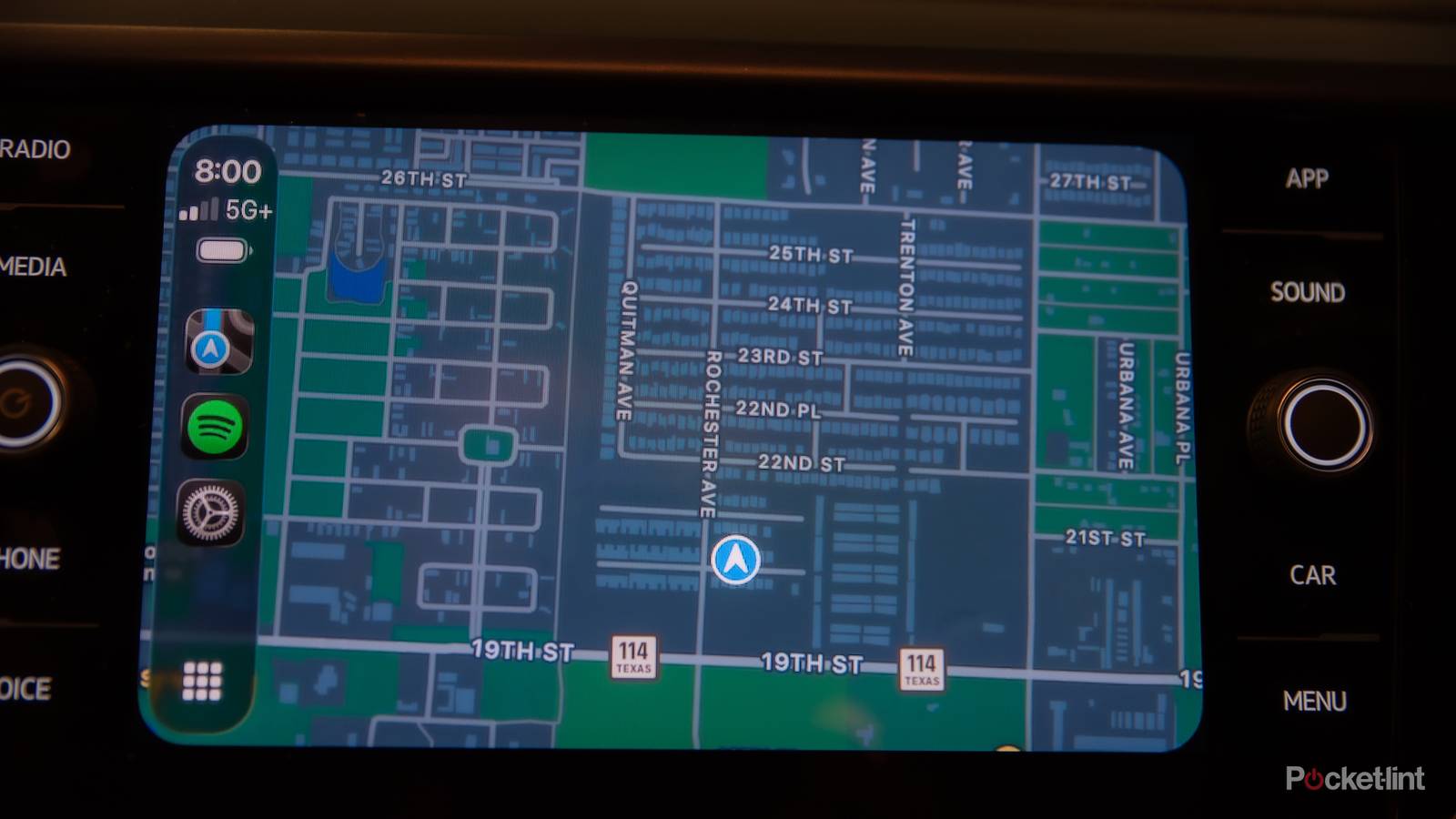
A recent systemic failure in Apple Maps provides a compelling case study on the inherent vulnerabilities of cloud-dependent navigation. The outage, peaking around 7:30 p.m. EDT on a high-volume travel Sunday, generated over 1,500 documented service reports. This disruption did more than delay commuters; it exposed the fragility of a navigation ecosystem that assumes constant high-bandwidth connectivity, momentarily shifting user behavior toward competitors like Google Maps due to lower switching costs during service windows.
The Cognitive and Operational Toll of Navigation Blackouts
For modern drivers, the transition from traditional spatial orientation to algorithmic guidance is nearly absolute. When primary routing fails, the resulting cognitive load increases sharply as operators attempt to troubleshoot software while navigating unfamiliar terrain. This intersection of digital reliability and physical safety is a growing concern for institutional stakeholders. The outage demonstrated that aesthetic preferences for Apple’s interface are secondary to functional uptime, particularly during time-sensitive transitions like night-driving or post-weekend domestic transit.
Strategic Decoupling via Offline Navigation
To mitigate the risks of cellular-dependent systems, Apple has prioritized offline map functionality as a vital redundancy protocol. By allowing geographical data caching, the platform ensures turn-by-turn continuity in “data deserts.” A 14-hour transit from West Texas to Tennessee—a route spanning complex ranch lands with minimal cellular penetration—serves as the archetypal use case for this feature. This move strategically positions CarPlay as a viable alternative to dedicated, satellite-based GPS hardware, securing user retention even when broader telecommunications infrastructure fails.
Micro-Utility and Ecosystem Lock-In
Apple’s focus on the “last-mile” problem through features like the CarPlay parking locator illustrates a strategy of commoditizing psychological pain points. By automatically logging a vehicle’s location upon disconnection, Apple reduces the friction of high-density urban or retail environments. Similarly, specialized integration for Electric Vehicles (EV)—focusing on energy management and infrastructure access—signals a commitment to high-value, early-adopter segments. These niche utilities prevent churn to native vehicle software by embedding Apple more deeply into the car’s operational data layer.
Institutional Implications of Service Reliability
Market analysts increasingly view service uptime as a proxy for the health of Apple’s services division. While innovative features drive headlines, 100% reliability remains the fundamental requirement for essential utility apps. The public nature of these failures on social platforms provides qualitative data on brand sentiment, suggesting that loyalty is contingent on architectural stability. Apple’s future dominance in the automotive space will depend on balancing this “feature density” with the hardened server redundancy required to sustain global navigation demand.