Knicks Retain Jose Alvarado in Strategic Offseason Move Under Luxury Tax Constraints
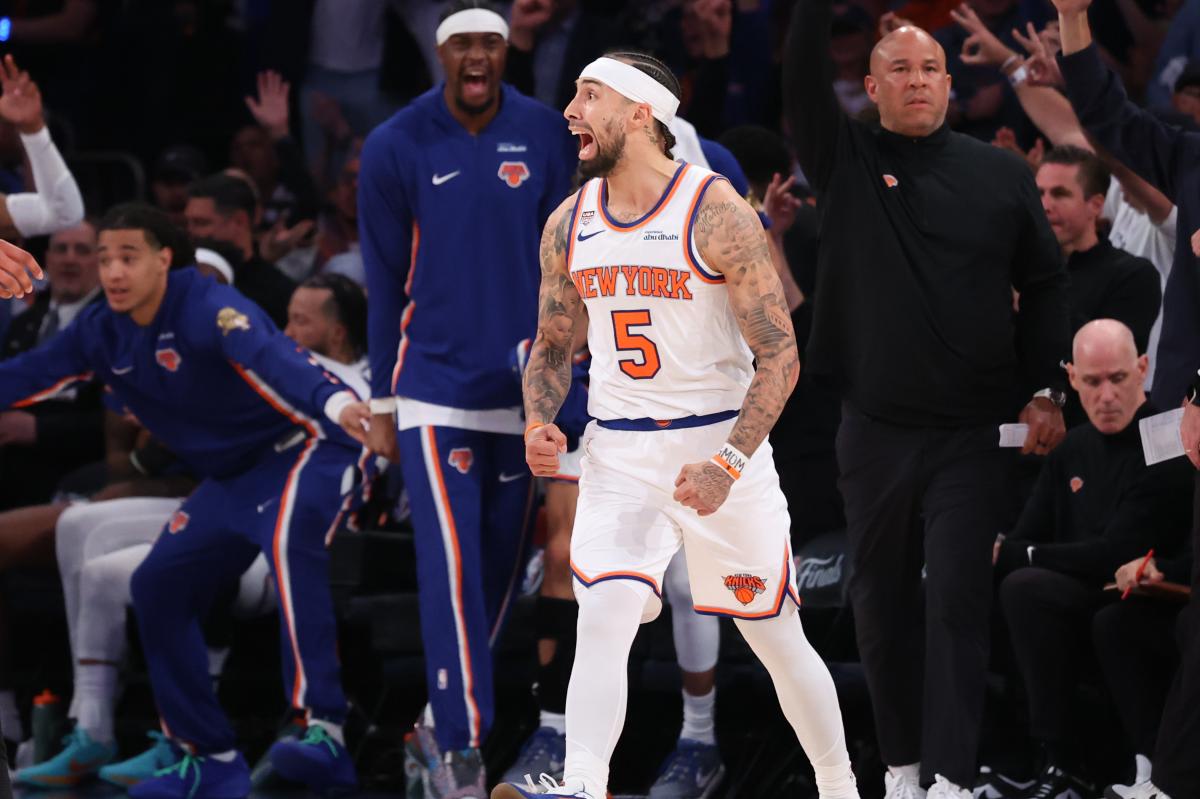
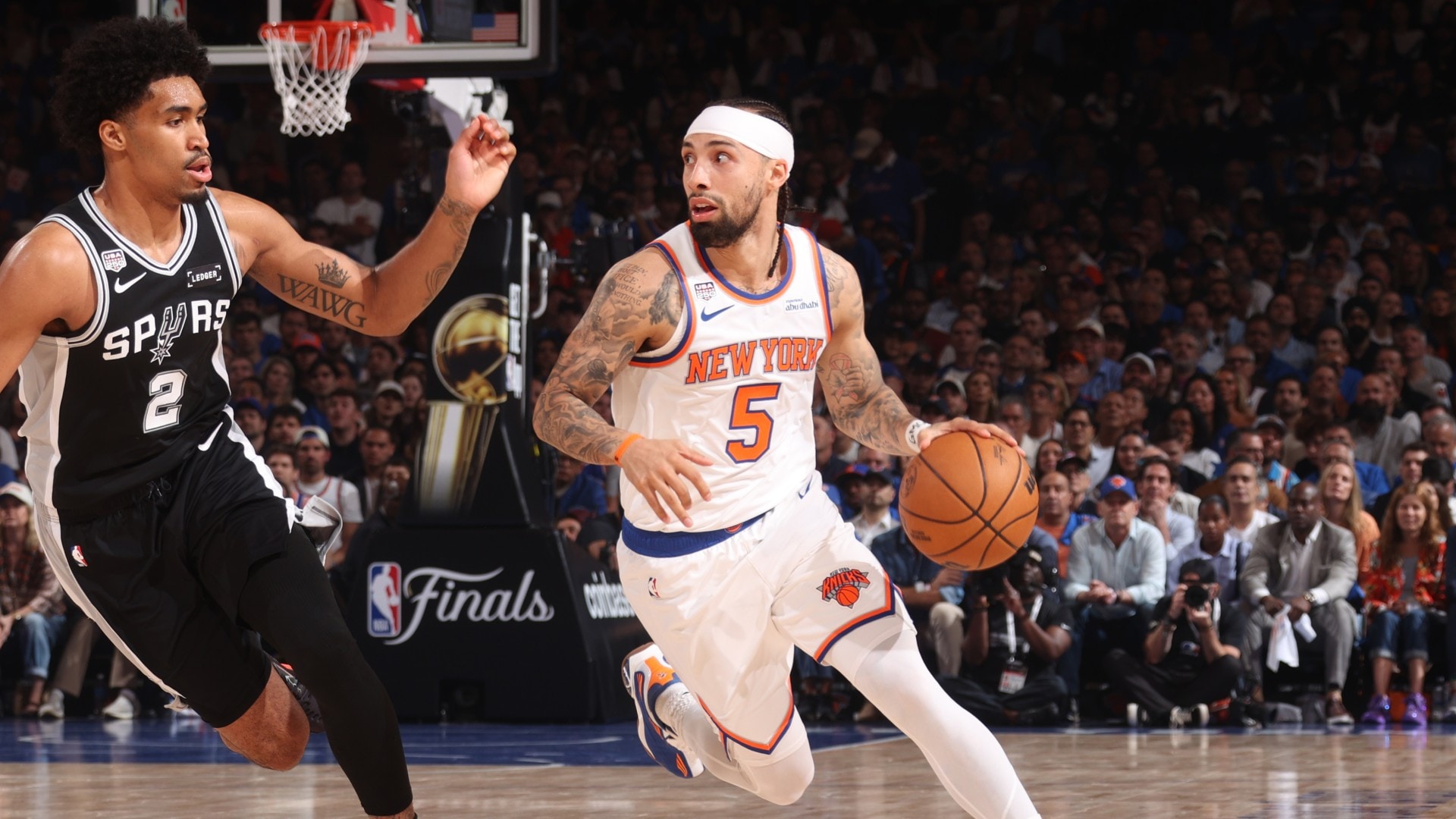
Jose Alvarado has opted for a new three-year contract with the New York Knicks, reportedly valued at approximately $15 million, foregoing his $4.5 million player option for the upcoming season. This decision, confirmed by The Post, provides essential stability to the team’s bench unit as they aim for competitiveness in the Eastern Conference. The deal’s financial structure is designed to align with the Knicks’ stringent budget, operating below the NBA’s second luxury tax apron, a directive from owner James Dolan that significantly shapes roster construction.
Alvarado’s decision to stay, signaled by his social media post “I’m home,” underscores his integral role. The extension addresses a persistent organizational need for reliable backup point guard production, a deficiency significantly mitigated by his contributions. The timing of this agreement, extended post-NBA draft, suggests a collaborative approach between Alvarado and the Knicks’ front office to integrate his contract within the team’s overall financial architecture and roster management strategy.
The acquisition of Alvarado initially was a strategic play, initiated through a series of transactions beginning with the departure of Guerschon Yabusele. This highlights the Knicks’ proactive asset management, seeking to inject specific skill sets and intangible qualities, such as “snarl and feistiness,” into a roster that benefited from such attributes.
Financial Strategy and Luxury Tax Implications
The Knicks’ commitment to Jose Alvarado, structured within a three-year, $15 million framework, directly reflects owner James Dolan’s mandate to remain below the second luxury tax apron. This financial discipline imposes significant constraints on talent acquisition and retention, necessitating meticulous prioritization of roster spots and salary cap allocation.
Operating below the second apron avoids the most punitive tax penalties and preserves future flexibility, but demands a conservative approach to contracts, particularly for role players like Alvarado, whose value extends beyond raw statistical output. The reported structure, with a base value near his previous option and subsequent increases, suggests a carefully backloaded contract to manage immediate payroll while potentially offering a higher average annual value over the agreement’s life, a common tactic to incentivize player commitment under tight budgets.
This financial prudence is a strategic imperative dictated by the NBA’s tiered luxury tax system. Exceeding the first apron incurs escalating penalties, but crossing the second apron triggers severe consequences and limits transactional flexibility, including restrictions on draft pick acquisitions and the use of mid-level exceptions. For the Knicks, retaining Alvarado under these constraints highlights his perceived value as a cost-effective contributor delivering on-court impact without jeopardizing tax goals.
Impact on Roster Depth and Team Identity
Jose Alvarado’s return is pivotal for the New York Knicks’ immediate roster construction and the preservation of their team identity. His emergence as a key reserve provided a critical solution to the team’s deficit in backup point guard capabilities during their championship push. The “snarl and feistiness” he brings is a tangible asset that influences team morale and on-court demeanor, crucial for disrupting opponents and maintaining composure.
His presence ensures continuity in playmaking and defensive intensity, allowing primary ball-handlers to operate efficiently. This stability is vital for sustained success, especially in the demanding playoff environment. Alvarado’s contract extension solidifies a core group of players who have demonstrated their ability to execute the team’s system, fostering cohesion and accelerating readiness for the upcoming season. Investing in Alvarado reflects confidence in the organizational development pathways and a successful alignment of talent with strategic objectives.
Strategic Roster Management and Player Acquisition
The retention of Jose Alvarado exemplifies a strategic approach to roster management prioritizing continuity and cost-effectiveness within defined financial parameters. His $15 million, three-year extension signifies his proven impact and the Knicks’ commitment to competitive advantage without overextending financial resources. Alvarado’s initial acquisition, involving transactions like the trade of Guerschon Yabusele, showcases a deliberate strategy of asset optimization, acquiring players with specific, high-impact skill sets to address team weaknesses.
This approach is relevant given the NBA’s evolving economic landscape, where sophisticated financial planning is crucial. Effectively identifying and acquiring undervalued assets or retaining key contributors at reasonable rates provides a significant competitive edge. Alvarado’s role as a “key bench piece” during the Knicks’ championship run highlights the importance of a deep, versatile roster. His ability to provide reliable minutes, defensive intensity, and secondary playmaking maintains performance levels when starters are off the court. Extending his contract, rather than pursuing more expensive free agents or trades, suggests a focus on incremental improvements and building upon existing chemistry.
The negotiation process, delaying Alvarado’s decision deadline until after the NBA draft, indicates a coordinated effort to align his contract with the team’s broader offseason strategy, ensuring seamless integration within the team’s long-term vision.
Competitive Landscape and Future Outlook
Jose Alvarado’s renewed commitment positions the New York Knicks to maintain their competitive standing in the Eastern Conference. His role as a reliable backup point guard and a source of defensive energy is crucial for sustaining performance throughout the regular season and navigating the playoffs. The Knicks’ strategic decision to retain Alvarado, while operating under strict financial constraints below the second luxury tax apron, highlights a calculated approach to roster building. This financial discipline necessitates maximizing contract value and prioritizing players with tangible on-court contributions.
Alvarado’s impact transcends statistics; his “snarl and feistiness” contribute to a team identity effective in challenging opponents and maintaining intensity. This intangible asset can influence momentum and foster a resilient team culture. The Eastern Conference’s competitive dynamics demand roster optimization and financial flexibility. The Knicks’ ability to secure Alvarado’s multi-year deal without jeopardizing long-term financial health suggests a well-executed strategy balancing immediate needs with future considerations.
Looking ahead, the Knicks face the ongoing challenge of balancing championship aspirations with the economic realities of the NBA’s salary cap and luxury tax system. Alvarado’s contract serves as a foundational piece in this strategy, providing a stable and impactful presence at a critical position. The success of this approach will be measured by the team’s ability to translate financial prudence and roster continuity into sustained on-court success, making the retention of key contributors like Alvarado a necessary component for achieving their ultimate goals.