
The 2026 Zimbabwe-Bangladesh One-off Test: High Stakes and Initial Strategic Plays
The commencement of the 2026 One-off Test between Zimbabwe and Bangladesh, a pivotal fixture within Bangladesh’s tour, immediately underscored the amplified strategic stakes inherent in single-match series. The absence of subsequent fixtures to compensate for missteps compels both teams to execute with maximal precision from ball one, aiming for a definitive outcome.
Zimbabwe’s Strategic Gambit: The Decision to Bowl First
Winning the toss, Zimbabwe’s captain made a calculated choice to bowl first, a decision laden with both opportunity and risk. This tactical gambit typically reflects an assessment of ambient conditions—such as overcast skies or residual pitch moisture—favorable for early seam movement or swing. The objective is to leverage a fresh bowling attack to exploit potential top-order vulnerabilities before the pitch settles and batting conditions improve. This aggressive approach immediately placed Bangladesh’s opening batsmen under intense pressure, tasking them with navigating a challenging initial phase against an eager opposition.
Bangladesh’s Tactical Response: Selection and Early Innings Pressure
Bangladesh’s team selection saw Amite Hasan preferred over Mahidul Islam Ankon, a move that suggests a specific tactical recalibration or a forward-looking investment in player development for this particular encounter. Such selections are often influenced by recent form, specific opposition bowling strengths, or the desire to introduce a new dynamic to the batting lineup in a high-pressure environment.
The early scoreboard, reading 36/2 in 11.6 overs, immediately illustrated the effectiveness of Zimbabwe’s bowling strategy and the inherent difficulties of batting first under these circumstances. The loss of two early wickets within the initial powerplay shifted Bangladesh’s immediate tactical imperative from aggressive scoring to stabilization and wicket preservation, placing considerable psychological and scoring-rate pressure on the middle order.
Individual Performance Metrics: Key Breakdowns and Anchors
Zimbabwe secured a significant breakthrough with the dismissal of opener Shadman Islam for 20 runs off 38 balls. This wicket was critical, disrupting an incipient partnership and exposing less settled batsmen to the new ball’s threat. Brad Evans emerged as a key executor of Zimbabwe’s strategy, his economical spell of 7-3-26-1 highlighted his ability to maintain relentless pressure and secure the crucial dismissal, validating the captain’s decision to bowl first.
For Bangladesh, Mominul Haque’s ongoing innings of 41 runs from 56 balls proved vital. His capacity to absorb pressure, maintain a reasonable scoring rate, and resist further collapses underscored his role as a critical anchor. Supporting him, Najmul Hossain Shanto, with 9 runs off 33 balls, demonstrated the complementary necessity of occupying the crease and building a resilient partnership, prioritizing survival and accumulation in a challenging period.
Consolidation and Control: Partnership Dynamics and Resilience
The developing partnership of 40 runs from 73 balls between Mominul Haque and Najmul Hossain Shanto signifies a crucial phase of consolidation for Bangladesh. This alliance is instrumental in stemming the fall of wickets and gradually recalibrating the innings momentum. The internal team mantra, “Adjustment no problem as Tigers brace for battle,” reflects a proactive emphasis on mental fortitude and adaptability—a critical psychological asset enabling the team to absorb early pressure and formulate an effective counter-strategy.
Analysis of the “Last 10 overs: 34 runs; 0 wkts” data reveals Bangladesh’s successful tactical shift towards methodical accumulation and wicket retention following the initial breakthroughs. This period indicates a deliberate effort to curb risks while still rotating the strike, demonstrating a measured response to the early setbacks. Mominul’s boundary, detailed in the over-by-over commentary, exemplifies moments of pressure release and strategic scoring within this phase of consolidation. Despite the partnership, Zimbabwe’s bowlers continued to exert control, as evidenced by a high dot-ball percentage, maintaining the strategic objective to break the stand and access the lower order.
Broader Implications: Strategic Trajectories and Future Outlook
The bilateral “Bangladesh tour of Zimbabwe, 2026” is a foundational component of the international cricket calendar, providing essential competitive exposure, fostering player development, and contributing to national board revenues. Early match performance, such as these initial dynamics, offers critical data points for both Zimbabwe Cricket and Bangladesh Cricket Boards, informing future selection policies, coaching methodologies, and strategic investments. A strong showing, even in the early stages, can influence a nation’s standing within ICC rankings, potentially leading to increased global recognition, more lucrative tours, and enhanced investment in cricketing infrastructure. Thus, the analytical dissection of these opening exchanges extends beyond the immediate match, shaping long-term competitive evolution and market positioning for both cricketing nations.
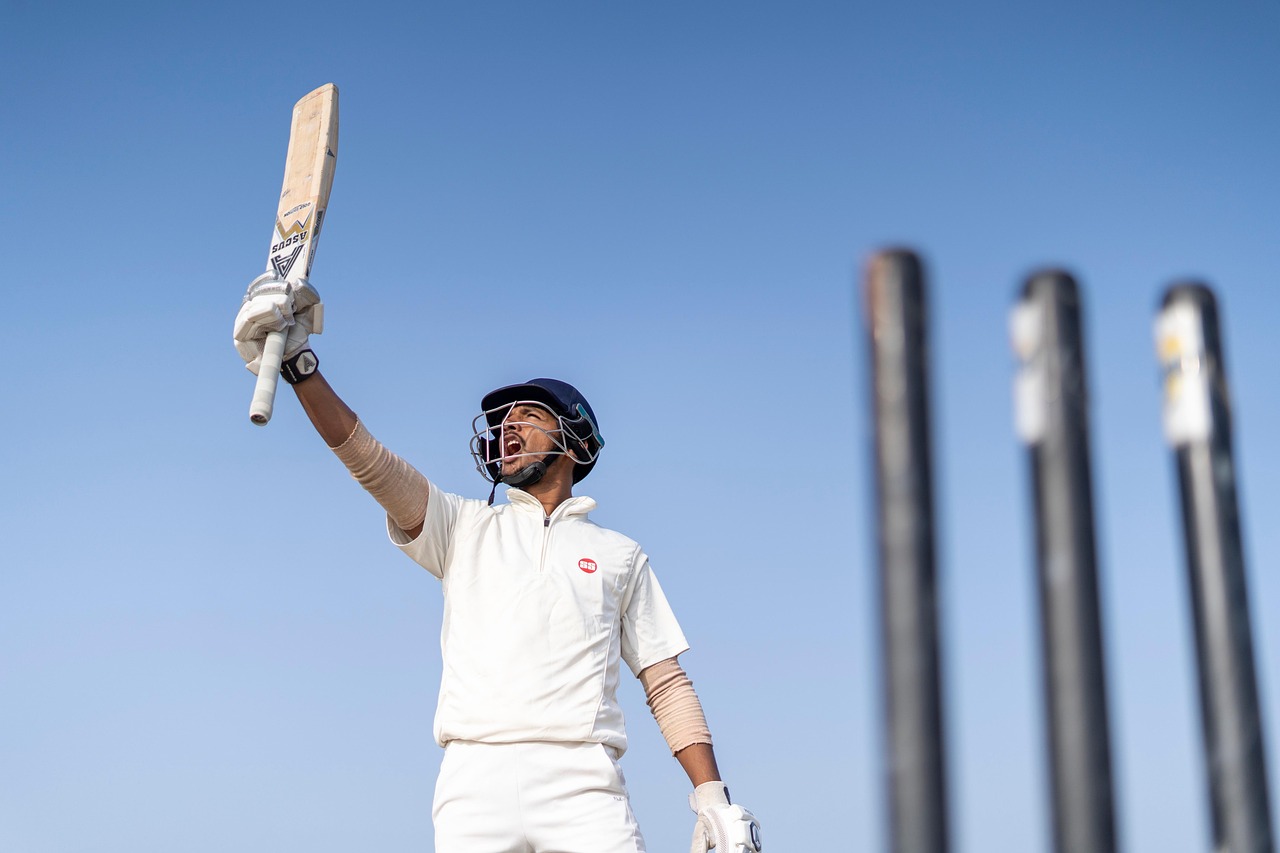
Cover photo by yogendras31 on Pixabay.