Kentucky Floods: State of Emergency Declared Amidst Fatalities
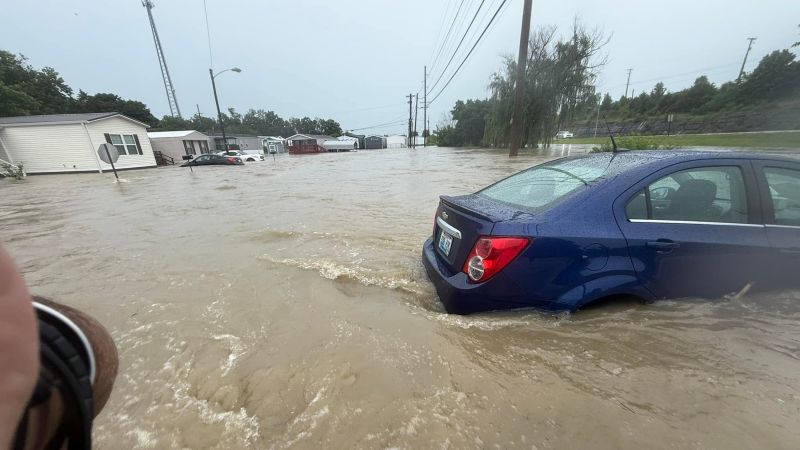
Governor Andy Beshear has declared a state of emergency across Kentucky due to widespread and fatal flooding. Heavy rainfall has caused significant inundation of roadways and destruction of bridges, necessitating extensive search and rescue operations throughout the commonwealth.
The governor confirmed four fatalities, with three occurring in Madison County and one in Jackson County, following an earlier report of a motorist lost to flash floods. The emergency declaration aims to expedite the deployment of additional resources to combat the escalating crisis. Affected areas have reported rainfall accumulation between six to seven inches, with more significant precipitation expected.
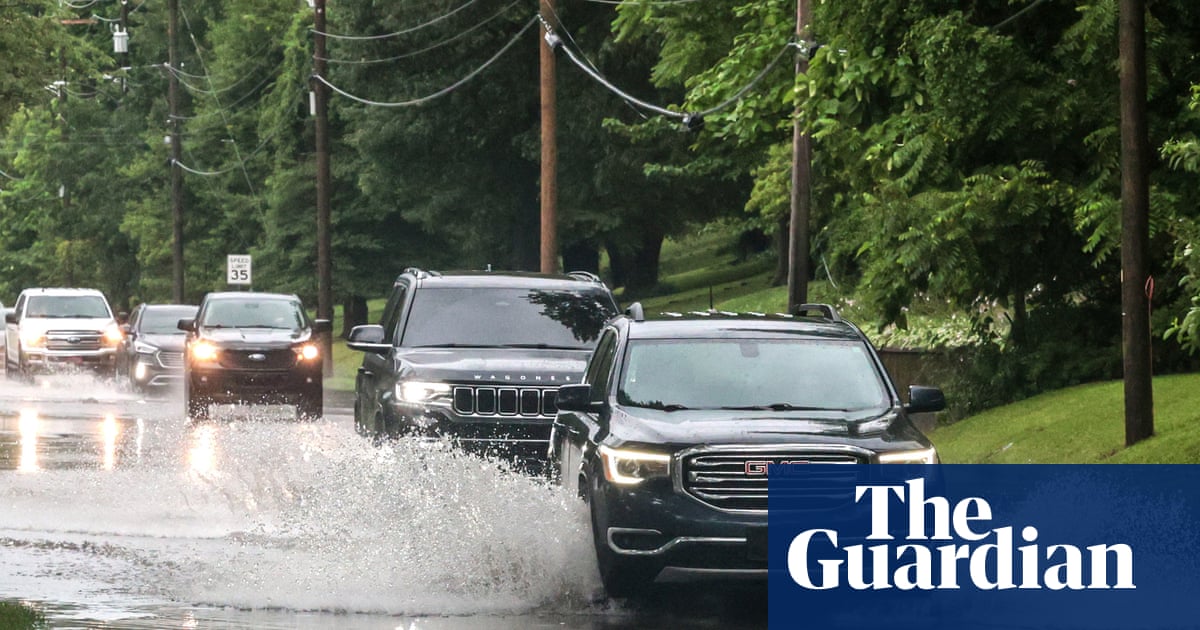
The National Weather Service issued flash flood warnings for impacted regions in Kentucky and southern Indiana. Some southwestern Indiana areas had already recorded four to ten inches of rain by Saturday evening. Governor Beshear urged residents to exercise extreme caution, advising against travel, particularly after dark, due to reduced visibility and the persistent threat of rising waters.
Cascading Impacts and Recurring Threats
This flooding event follows a pattern of severe weather impacting Kentucky, echoing deadly flash floods experienced in early 2025 where extreme rainfall occurred within a 24-hour period. The 2022 floods, which devastated homes and displaced communities, underscore the state’s vulnerability to extreme weather.
The state of emergency declaration activates comprehensive disaster response protocols. This includes inter-agency coordination, deployment of additional search and rescue teams, establishment of emergency shelters, and initial assessments of critical infrastructure damage to roadways and bridges, vital for connectivity and economic continuity.
Official advisories emphasize immediate operational challenges. The warning against non-essential travel, especially at night, directly addresses increased risks of vehicle entrapment and hindered rescue efforts under low visibility. This communication strategy aims to prevent further casualties and optimize emergency service deployment.
Economic and Infrastructure Strain
The extensive road closures and bridge destructions represent significant disruptions to transportation networks, impacting supply chains and local commerce. Economic consequences extend beyond immediate repair costs, including lost productivity, delivery delays, and potential long-term effects on regional trade if key routes remain impassable.
Repeated severe flooding events place considerable strain on state and local budgets. The recurring need for emergency response, infrastructure repair, and mitigation strategies diverts capital from development and other public services, creating a cycle of reactive expenditure.
Damage to residential properties, including reports of roofs being torn off and fences destroyed by strong storms and potential tornadoes in southern Indiana, highlights broader impacts on community resilience. The immediate aftermath for residents involves securing damaged homes and assessing losses.
Institutional Response and Preparedness
Governor Beshear’s proactive emergency declaration signals a commitment to utilizing the full spectrum of state resources. This is crucial for securing federal aid and coordinating efforts among state agencies, local governments, and non-governmental organizations involved in disaster relief.
The focus on search and rescue operations, including water rescues from vehicles and homes, highlights the dynamic and perilous nature of flash floods. These operations are resource-intensive, requiring specialized equipment and trained personnel, with urgency amplified by continuous rainfall and rising water levels.
Kentucky’s history of severe flooding necessitates enhanced preparedness strategies. This involves investing in resilient infrastructure, improving early warning systems, and implementing land-use policies that consider increased flood risks, though these are long-term measures beyond immediate response.
Broader Regional Implications
The severe weather, encompassing widespread flooding and reports of tornadoes in southern Indiana, underscores the interconnectedness of regional weather patterns. Damage to infrastructure in Indiana, even if localized, contributes to a broader regional vulnerability to extreme weather events.
The recurrent nature of these events prompts a re-evaluation of long-term disaster mitigation and climate adaptation strategies. The financial burden of repeated recovery efforts can affect regional credit ratings and investment attractiveness, necessitating a shift towards proactive resilience building.
The governor’s public communication strategy, emphasizing caution and safety guidance, is a critical component of disaster management. Effective public awareness campaigns can reduce secondary casualties and allow emergency services to concentrate on critical rescue and relief efforts.